For many Japanese travellers, a trip to Egypt is a dream come true. It is a peaceful journey to see the very beginning of human history. In Japan, people deeply respect old traditions and take great care of historical treasures. Because of this, the story of Egypt’s young king is very special to Japanese visitors.
The short life of this young king reminds us of the beautiful Japanese idea of Mono no Aware—the deep feeling we get from things that do not last forever. He became a leader during a difficult time, but he worked hard to bring peace and harmony (Wa) back to his country.
At Egypt Escape Travel, we know that our guests from Japan care about punctuality, perfect planning, true history, and great hospitality (Omotenashi). We wrote this simple guide to help you explore the story of the famous boy king. We want to make sure your trip to Egypt is easy, safe, and completely unforgettable.
Tutankhamun: 1. The Real History of the Young King’s Short Life
Tutankhamun became the ruler of ancient Egypt around 1332 BCE during a wealthy time called the 18th Dynasty. He was only nine years old when he became Pharaoh. This was a very big job for a young child. Before him, his father, Akhenaten, changed the country’s religion completely. He forced everyone to worship only the sun disk, called the Aten, and closed the old temples. This caused a lot of trouble and confusion across Egypt.
When the young boy became king, wise advisors helped him fix his father’s mistakes. He changed his name from Tutankhaten to show that he loved Amun, the traditional king of the gods. He opened the old temples again and brought back the priests. He also moved the royal capital back to the historic city of Thebes, now called Luxor. Even though he died very young, his ten years as king brought peace and stability back to his people.
Tutankhamun: 2. How Howard Carter Found the Hidden Tomb in 1922
Tutankhamun became famous all over the world on November 4, 1922. On that day, a British archaeologist named Howard Carter found a hidden stone step in the desert. This area is called the Valley of the Kings. For many years, other experts thought there was nothing left to find in the valley. But Carter worked with great discipline and patience, and he proved them all wrong.
Carter made a small hole in the sealed door of tomb KV62 and held up a candle to see inside. His partner, Lord Carnarvon, asked him if he could see anything. Carter famously said, “Yes, wonderful things.” Inside, he saw a beautiful room filled with gold, shiny mirrors, and black wood treasures. The items had stayed safe and quiet for over 3,000 years. This amazing discovery made people all over the world fall in love with Egyptian history again.
Tutankhamun: 3. The Amazing Story of the 5,000 Golden Treasures
Tutankhamun was buried with more than 5,000 beautiful items packed inside his small tomb. Ancient Egyptians believed that a Pharaoh needed all his favorite things in the afterlife. They thought he would use these items to live happily and safely in the next world. Because the tomb stayed closed for so long, these items give us a perfect look at royal life in the past.
Inside the tomb, there were golden chariots, beautifully carved walking sticks, and royal clothes made of soft linen. Carter also found fun board games like Senet, musical instruments, and jars of wine and food. There were also many protective statues and gold jewelry with shapes of animals like beetles and snakes. For Japanese visitors, these beautiful items show a wonderful example of Monozukuri—the deep pride in making things perfectly by hand.
Tutankhamun: 4. The Beautiful Art of the Famous Solid Gold Mask
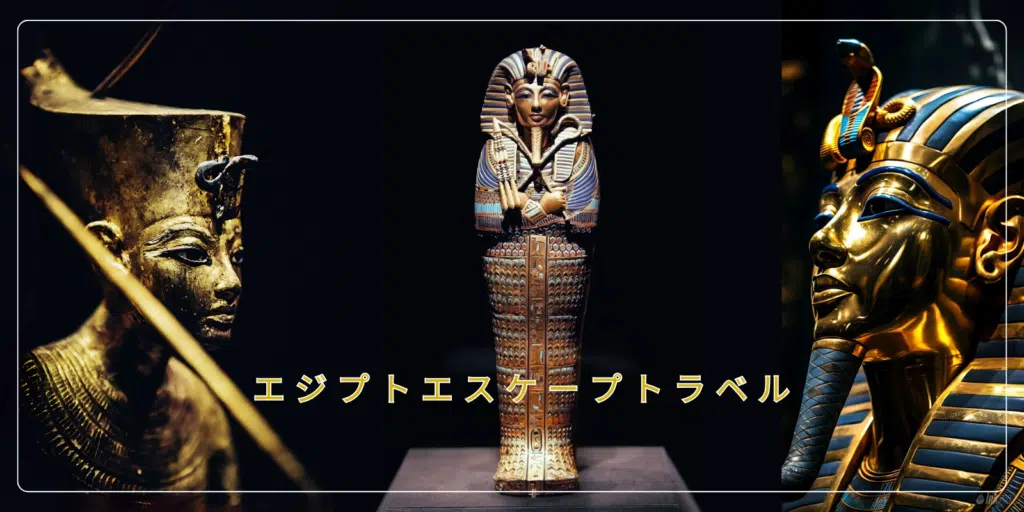
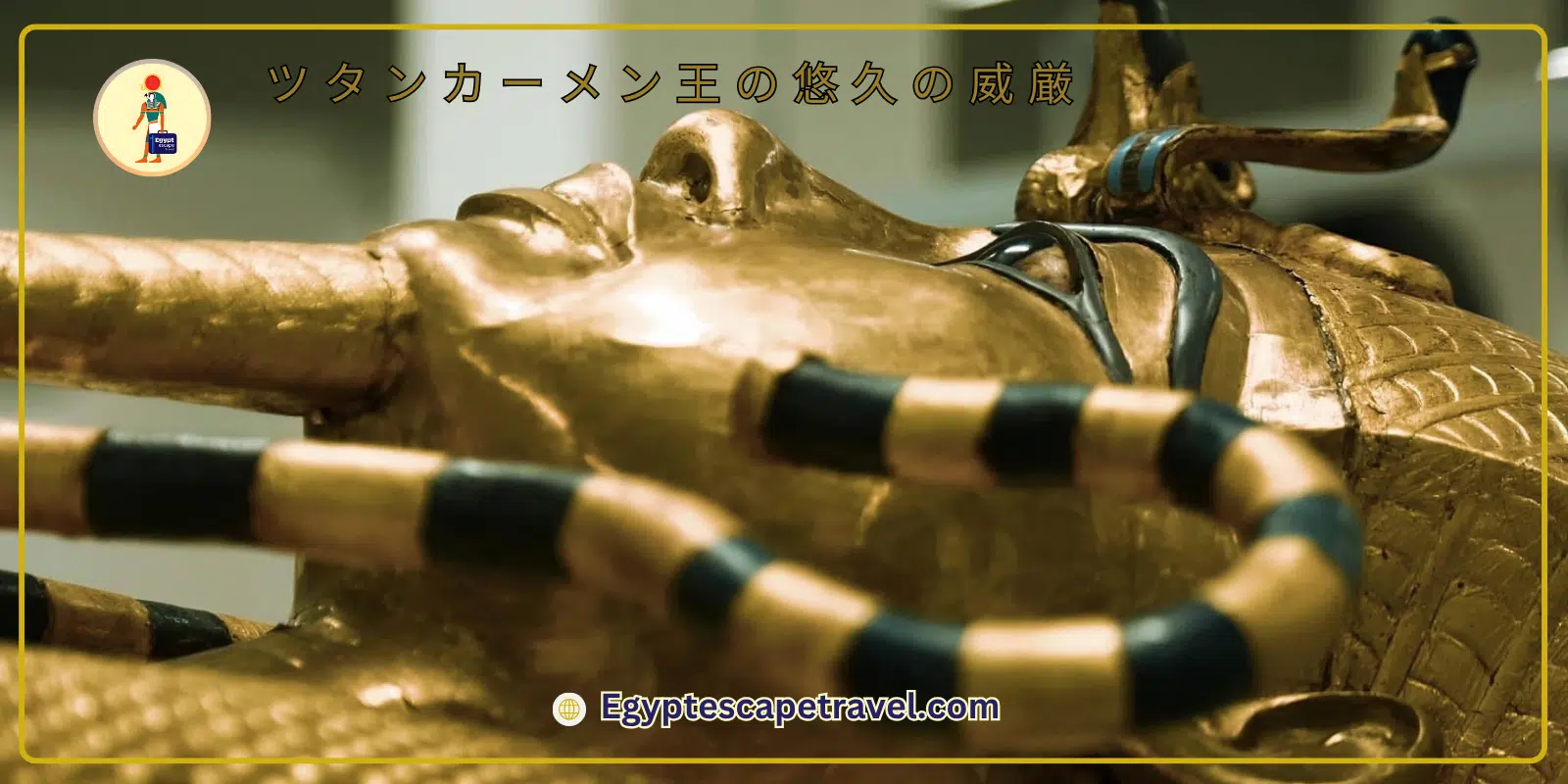
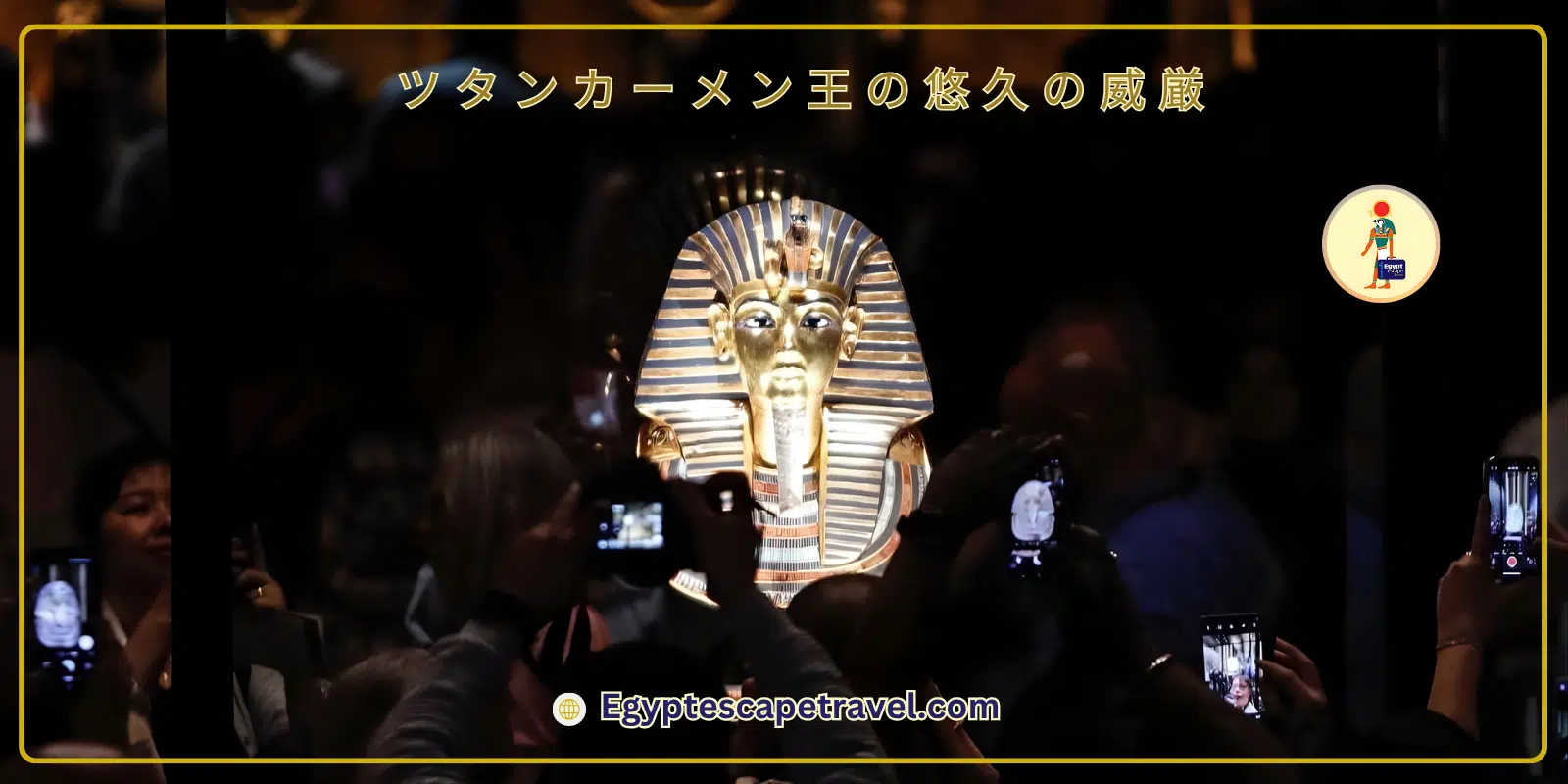
Tutankhamun is famous for his beautiful golden funeral mask. This mask lay directly over the face of his mummified body. It is one of the most famous pieces of art in human history. Ancient artists made it from two large sheets of pure gold. It weighs 11.2 kilograms and looks exactly like the face of the young king.
The eyes of the mask are made from shiny quartz and dark stone, making the king look like he is staring right at you. The eyebrows are decorated with beautiful blue stones called lapis lazuli, which came from far away. The back of the mask has a special magic spell written on it from the Book of the Dead. This spell was meant to protect the king’s face so his soul could always find his body.
Tutankhamun: 5. What Science Tells Us About His Sudden Death
Tutankhamun died very suddenly around 1323 BCE when he was only nineteen years old. Because he died so fast, nobody wrote down exactly what happened to him. For a long time, people made up wild stories. Some people thought a bad enemy hit him on the back of the head to steal the throne.
However, modern science has helped us find the real answer. In 2005, Egyptian scientists used a high-tech CT scan machine to check the mummy. They found out that the head injury happened after death during the mummification process. Instead, the scans showed that the king had a broken leg that got a very bad infection. Science also showed he had malaria. It is highly likely that he fell from a chariot and died because he was already weak and sick.
Tutankhamun: 6. Explaining the Scary Myth of the Pharaoh’s Curse
Tutankhamun became part of a scary ghost story soon after his tomb was opened. Newspapers began writing exciting stories about a deadly “Curse of the Pharaohs.” They said that anyone who disturbed the king’s sleep would die. People really started to believe this when Lord Carnarvon died from a bad mosquito bite just five months later.
In reality, the curse was just a fake story made up by journalists to sell more newspapers. Howard Carter lived for seventeen years after finding the tomb and died peacefully at age 64. Most of the other workers and photographers lived long, happy lives, too. While some Egyptian tombs have warning signs to scare away thieves, King Tut’s tomb did not have any curse written inside it.
Tutankhamun: 7. The Giant New Grand Egyptian Museum in Giza
Tutankhamun’s massive treasure collection is moving to a wonderful new home. It will live inside the Grand Egyptian Museum (GEM) right next to the Great Pyramids of Giza. This giant, modern building is the largest museum in the world dedicated to one single culture. For Japanese travellers, the GEM is a clean, comfortable, and peaceful place that respects your time.
For the first time in history, visitors can see all 5,000 tomb items displayed together in the same rooms. The museum uses special lights and air control to protect the fragile wood and ancient clothes. Walking through these giant halls is an easy and fun learning experience. It lets you see the true wealth of the Pharaohs without the crowded and loud spaces of older buildings.
Tutankhamun: 8. The Classic Charm of the Old Museum in Tahrir Square
Tutankhamun treasures lived for more than a hundred years inside the old Egyptian Museum in Tahrir Square, in the center of Cairo. This beautiful pink building opened in 1902. It has a nostalgic atmosphere that makes you feel like an early explorer. Even though big items are moving to the new museum, the Tahrir Museum is still a fantastic place to visit.
Walking through the old rooms feels like stepping into a time machine. The classic wooden cases and historic hand-written labels have a very romantic charm. Our friendly Japanese-speaking guides know these old halls perfectly. They will take you straight to the most important statues and explain their history simply and clearly.
Tutankhamun: 9. Visiting His Real Mummified Body in Luxor’s Desert
Tutankhamun’s real body does not live inside a museum. It still rests in its original home inside tomb KV62 in the Valley of the Kings in Luxor. Visiting this quiet desert canyon is a very emotional experience. The dry yellow mountains rise up against the bright blue sky, holding the secrets of Egypt’s greatest rulers.
When you walk down into the cool tomb, you can see the bright, colorful paintings on the walls. These pictures show the young king meeting the ancient gods of the afterlife. You can stand right next to his stone coffin box. Most importantly, you can look inside a special glass case to see the real mummy of the boy king, resting in the exact spot where he was laid to rest thousands of years ago.
Tutankhamun: 10. Simple Travel Tips for a Perfect Vacation
Tutankhamun sightseeing requires good planning so you do not get too tired or lost. Because the historical sites are spread out between Cairo and Luxor, choosing a trusted tour company is the best way to stay safe and relaxed.
- Best Months to Travel: The winter season from October to April has lovely, warm weather that is perfect for walking outside.
- Start Early: We recommend starting your tours at 8:00 AM. This helps you enjoy the cool morning air before the big crowds arrive.
- Camera Rules: You can take photos in most places, but remember to turn off your camera flash inside the tombs to protect the ancient paint.
- Stay Hydrated: The desert sun can be quite strong. Always keep a bottle of water in your bag and drink often to stay feeling well.
Why Explore Egypt with Egypt Escape Travel?
At Egypt Escape Travel, we work hard to provide a premium travel experience that matches high Japanese standards for safety, cleanliness, and polite service. We know that travelling to a new country can feel a bit scary, so we take care of every little detail for you.
- Friendly Japanese-Speaking Guides: Our guides love history and speak fluent Japanese. They do not just state boring facts; they explain the deep meaning of stories and traditions in a clear, easy way.
- Private Toyota Hi-Ace Vans: We use clean, modern, and cool Toyota vehicles for your rides. This gives you a private, quiet space to relax and rest between your stops.
- VIP Airport Help: The moment your plane lands in Cairo, our assistant will meet you before the passport lines. We will help you get your visa and bags quickly so you do not have to wait in long lines.
- Luxury Nile River Cruises: We pick only the best cruise ships for your trip between Luxor and Aswan. You will enjoy clean rooms, safe food, and a very relaxing schedule.
Conclusion:
Your Dream Trip to Egypt is Waiting!
The amazing story of the young king still brings joy to travellers all over the world. From the busy markets of Cairo to the peaceful silence of the Luxor desert, his treasures tell a beautiful story about ancient art and the human spirit.
Do not choose a rushed, crowded bus tour. Let Egypt Escape Travel show you the real magic of Egypt with the comfort, safety, and respect you deserve. Send a message to our team today to start planning your easy, worry-free vacation!