Hatshepsut (ハトシェプスト) was the most successful female Pharaoh of Egyptian History. Discover her 10 Strategic Secrets: from adopting the male false beard to funding the legendary Expedition. This expert guide, tailored for Japanese tourists, unlocks the history of the Deir el-Bahari Temple and the compelling story of her attempted era and ultimate triumph. Learn why Hatshepsut defines Ancient Egypt’s golden age.
Hatshepsut’s Unprecedented Rule: The Ultimate Guide for the Japanese Tourist
Welcome, curious explorer, to the majestic sands of Egypt. You are about to embark on a journey that transcends mere sightseeing. You are here to meet Hatshepsut—a ruler whose ambition, power, and architectural genius shattered the conventions of the ancient world.
When considering the great figures of Egyptian History, names like Ramses II and Tutankhamun often dominate. However, for the discerning Japanese tourist—one who values strategy, innovation, and perseverance (Gaman 我慢)—the story of Hatshepsut (c. 1505–1458 BCE) offers a far richer and more compelling narrative. She was not born a king; she became one, ruling as a fully vested Pharaoh for over two decades with unprecedented prosperity and cultural flair.
This article is more than a historical summary. We will decode the strategic secrets that allowed this woman to claim the ultimate title in a male-dominated world, examining her magnificent architectural projects, her economic triumphs, and the dark political manoeuvrings that tried to erase her legacy.
Hatshepsut’s Story: The Foundation of Her Power
Hatshepsut’s 1st Strategic Secret: The Royal Lineage as Unassailable Claim
Hatshepsut was born into the heart of the 18th Dynasty, the “Age of Empire.” Her legitimacy was impeccable: she was the daughter of Thutmose I and Queen Ahmose. This bloodline was her first, non-negotiable asset. She then married her half-brother, Thutmose II.
Upon the untimely death of Thutmose II, the legitimate heir was too young to rule—her stepson, the future Thutmose III, born to a secondary wife. Hatshepsut initially stepped in as regent. However, she possessed a political acumen far superior to simply managing the throne for a child. Around 1479 BCE, she made the audacious move to assume the throne herself, declaring herself Pharaoh.
Hatshepsut’s 2nd & 3rd Strategic Secrets: Masterful Self-Legitimization
To survive as a female ruler in traditional Ancient Egypt, Hatshepsut had to overcome a severe gender barrier. Her strategy was twofold: becoming the male ideal while simultaneously being divinely chosen.
Hatshepsut’s 2nd Strategic Secret: Adopting the Full Male Regalia and Titulary
Hatshepsut understood that the role of Pharaoh was institutional, not biological. To affirm her legitimacy, she fully adopted the traditional male regalia:
- The False Beard:
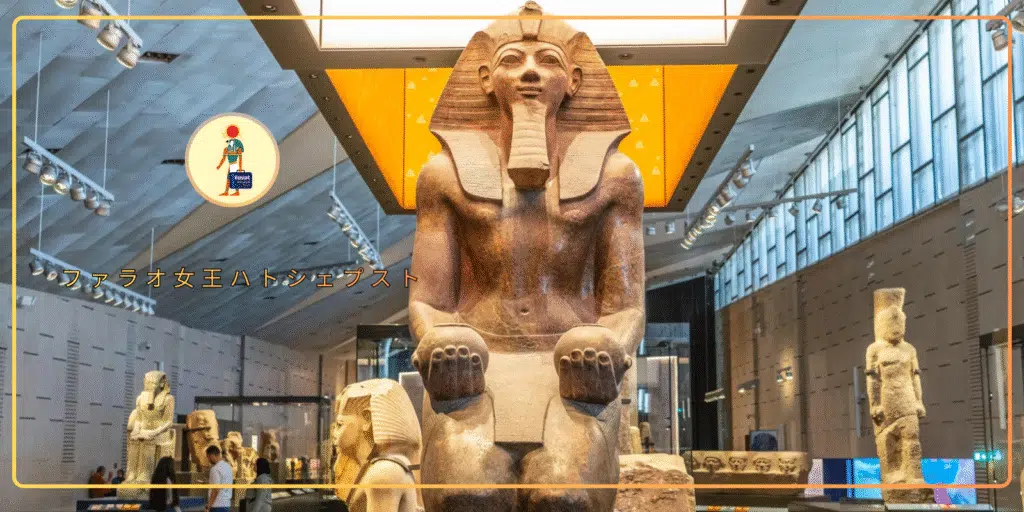
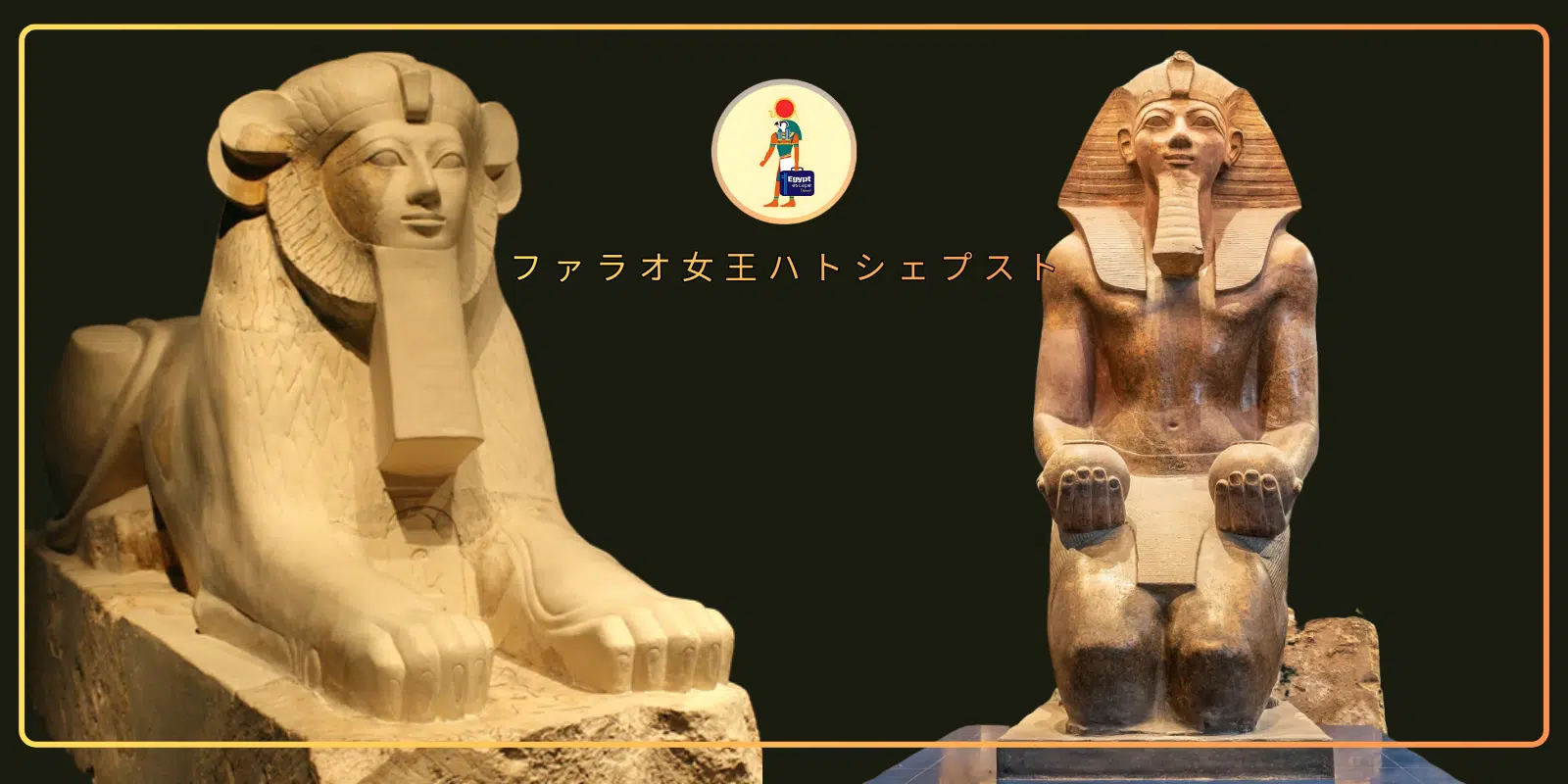
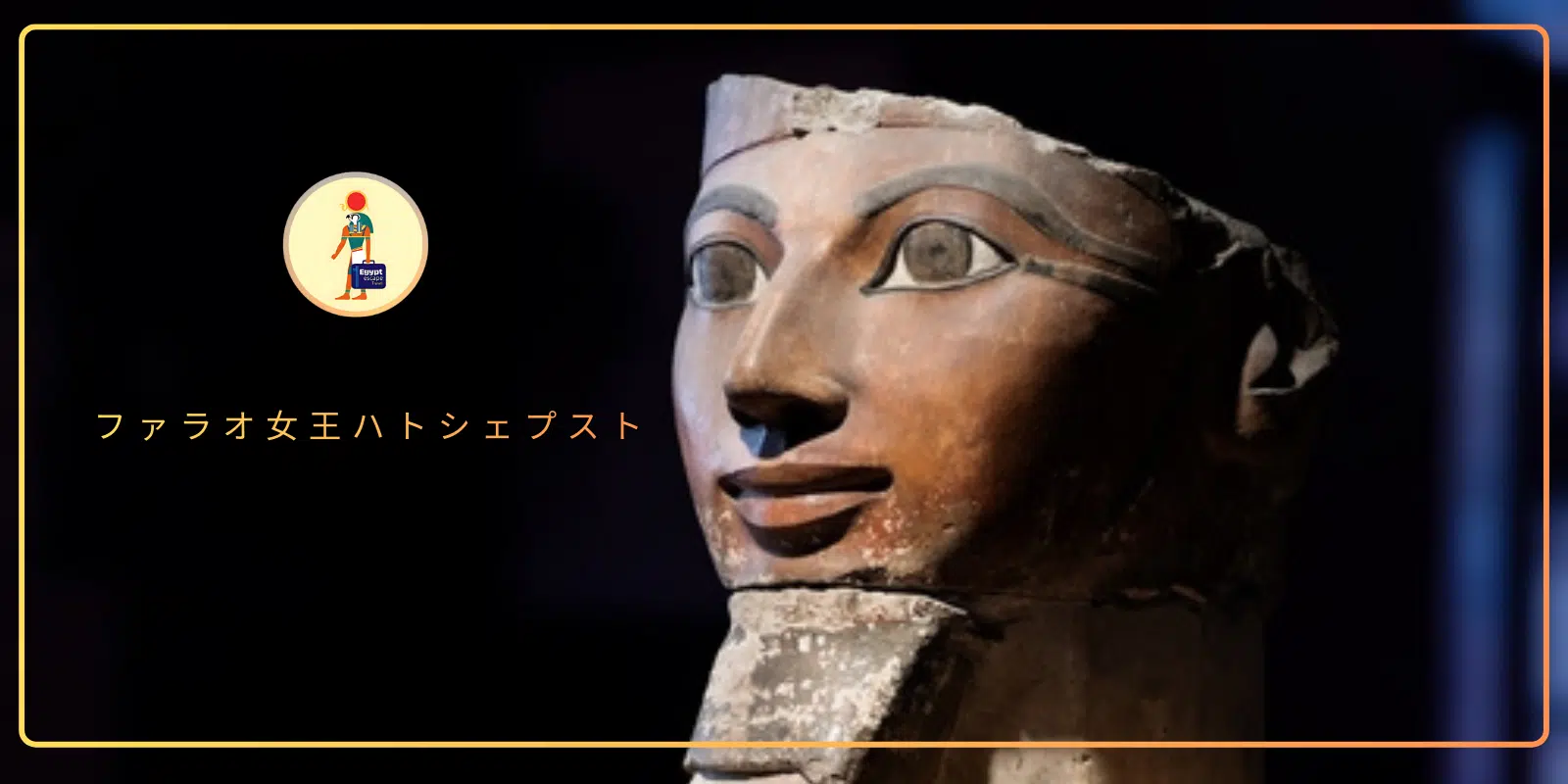
In official representations, she wore the ceremonial, braided false beard (Osher), the ultimate symbol of pharaonic divinity.
- Male Attire:
Her statues and reliefs depict her in a royal kilt and male clothing.
- The Royal Titulary:
Crucially, she used the masculine titles of the Pharaoh, including the designation King.
This was a masterful political performance. It assured the priesthood and the populace that the sacred order of Egyptian History remained intact, even with a woman in the role.
Hatshepsut’s 3rd Strategic Secret: The Myth of Divine Birth
To elevate her claim above any mere political squabble, Hatshepsut commissioned a powerful narrative asserting her divinity. She claimed she was the direct daughter of the supreme state god, Amun-Ra.
- Temple Reliefs:
These magnificent scenes, preserved in her mortuary temple, depict Amun-Ra visiting her mother, Queen Ahmose, and proclaiming that the child conceived would rule Egypt.
- Spiritual Authority:
By asserting this divine mandate, Hatshepsut positioned herself as an indispensable ruler chosen by the Gods, silencing earthly dissent.
Hatshepsut’s 4th Strategic Secret: Economic Power as the New Imperialism
Unlike her male predecessors, who often defined their rule through military campaigns, Hatshepsut championed economic expansion and stability. This focus led to a period of peace and extraordinary wealth.
Hatshepsut’s 4th Strategic Secret: The Golden Trade Route to Punt
The pinnacle of Hatshepsut’s foreign policy was the famous maritime expedition to Punt. This was not a raid but a large-scale, state-sponsored trade mission conducted via the Red Sea.
- The Bounty:
The expedition successfully founded new trade routes and returned with invaluable assets, including exotic incense and myrrh (essential for temple rituals), gold, exotic animals, and wood.
- Economic Impact:
These resources directly financed her extensive temple construction and art initiatives, demonstrating the Queen’s strategic ability to generate wealth and reinvest it into public works and culture.
Hatshepsut’s 5th, 6th & 7th Strategic Secrets: The Architectural Legacy
Hatshepsut’s profound legacy is etched into the stone monuments that dominate the landscape of Egyptian History. Her building program was not merely decorative; it was a physical manifestation of her power and divinity.
Hatshepsut’s 5th Strategic Secret: Building the Deir el-Bahri Temple
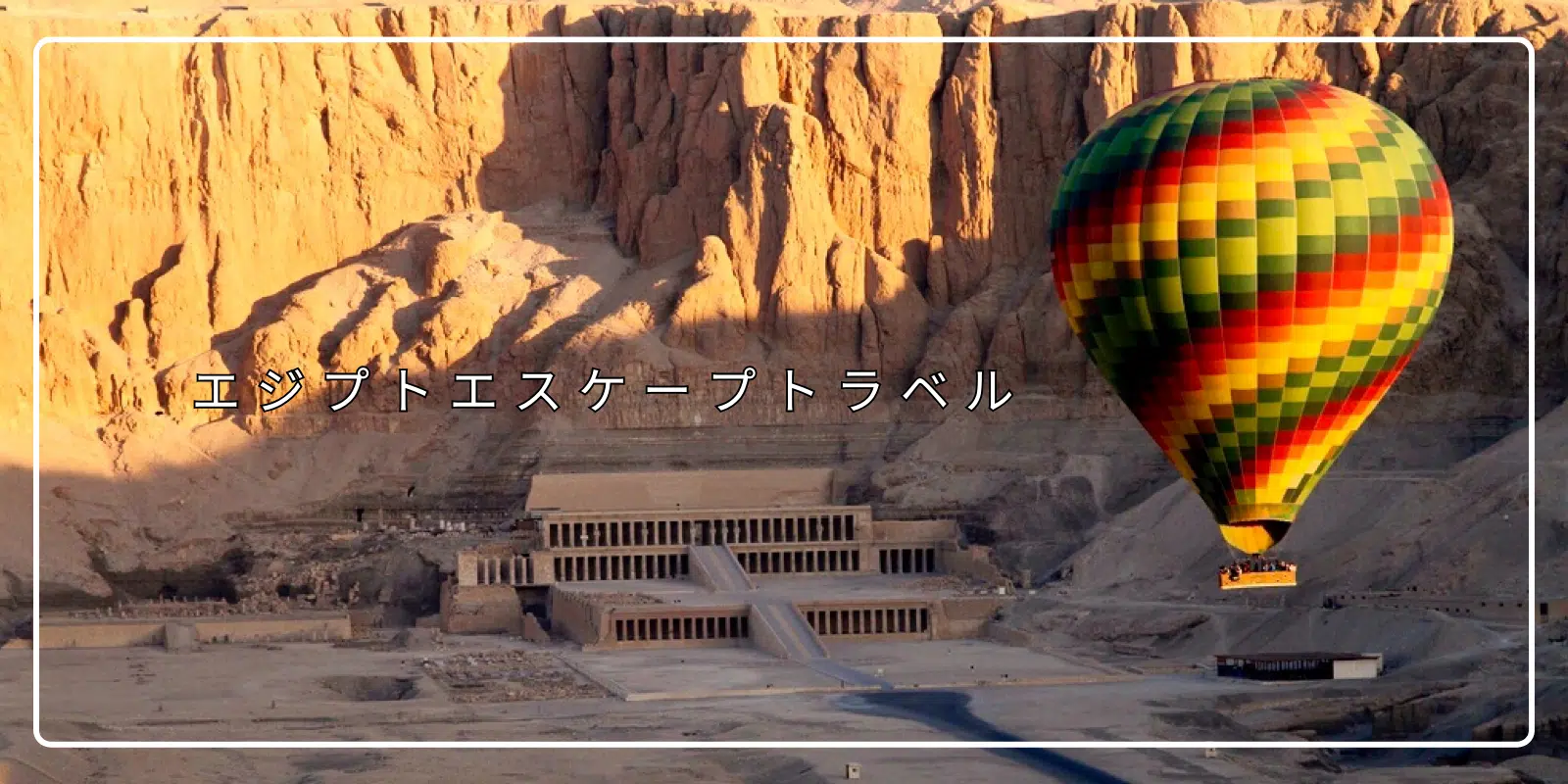
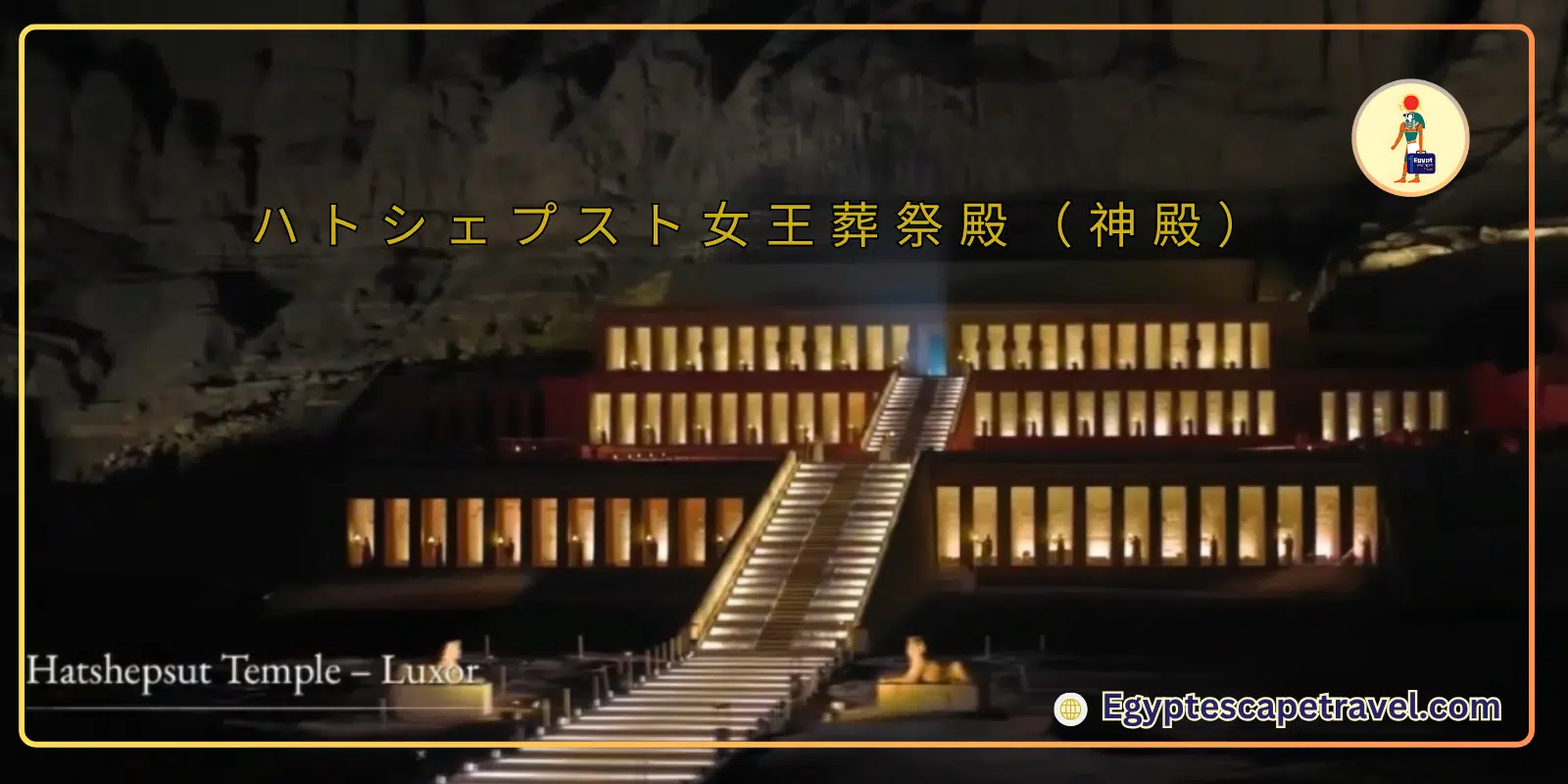
The crowning achievement of Hatshepsut’s reign is her Mortuary Temple, known in ancient Egyptian as Djeser-Djeseru (“Holy of Holies”). It stands as a revolutionary architectural masterpiece of Egyptian History.
- Location:
It is terraced directly against the monumental cliffs on the West Bank of Luxor.
- Innovative Structure:
Unlike earlier monolithic temples, Djeser-Djeseru features a distinctive, graceful design of three ascending terraces connected by ramps, harmonizing with the natural pyramid shape of the cliff face above it.
- The Architect:
The visionary behind this structure was Senenmut, Hatshepsut’s chief steward and most trusted official.
Hatshepsut’s 6th Strategic Secret: The Obelisks of Amun
To showcase her devotion to Amun and the wealth of her era, she commissioned and erected two massive obelisks at Karnak Temple. These towering structures were symbols of the sun god and required staggering logistical feats to quarry in Aswan and transport up the Nile. One of these, the tallest surviving ancient Egyptian obelisk, still stands today.
Hatshepsut’s 7th Strategic Secret: Expanding State Worship
Her other major architectural commissions served to consolidate the state religion and her own worship:
- The Red Chapel:
Located at Karnak, this structure was intended as a bark sanctuary for Amun.
- Speos Artemidos:
A rock-cut shrine dedicated to the lioness goddess Pakhet, near Beni Hasan.
These grand building projects transformed the face of Thebes, demonstrating the stability and artistic flourishing of the era.
Hatshepsut’s 8th Strategic Secret: The Damnatio Memoriae by Thutmose III
Despite her unparalleled success, her legacy was threatened by a vicious political campaign launched after her death.
Following her reign, her stepson Thutmose III (who became a formidable military pharaoh) ordered the systematic defacement of her monuments and the removal of her name from historical records and chronologies.
- The Goal:
This was an effort by Egyptian priests and possibly Thutmose III himself to erase her historical presence. The primary motivation is now thought to be political—to prevent the precedent of a successful female pharaoh from being used in future succession crises of Egyptian History.
- The Damage:
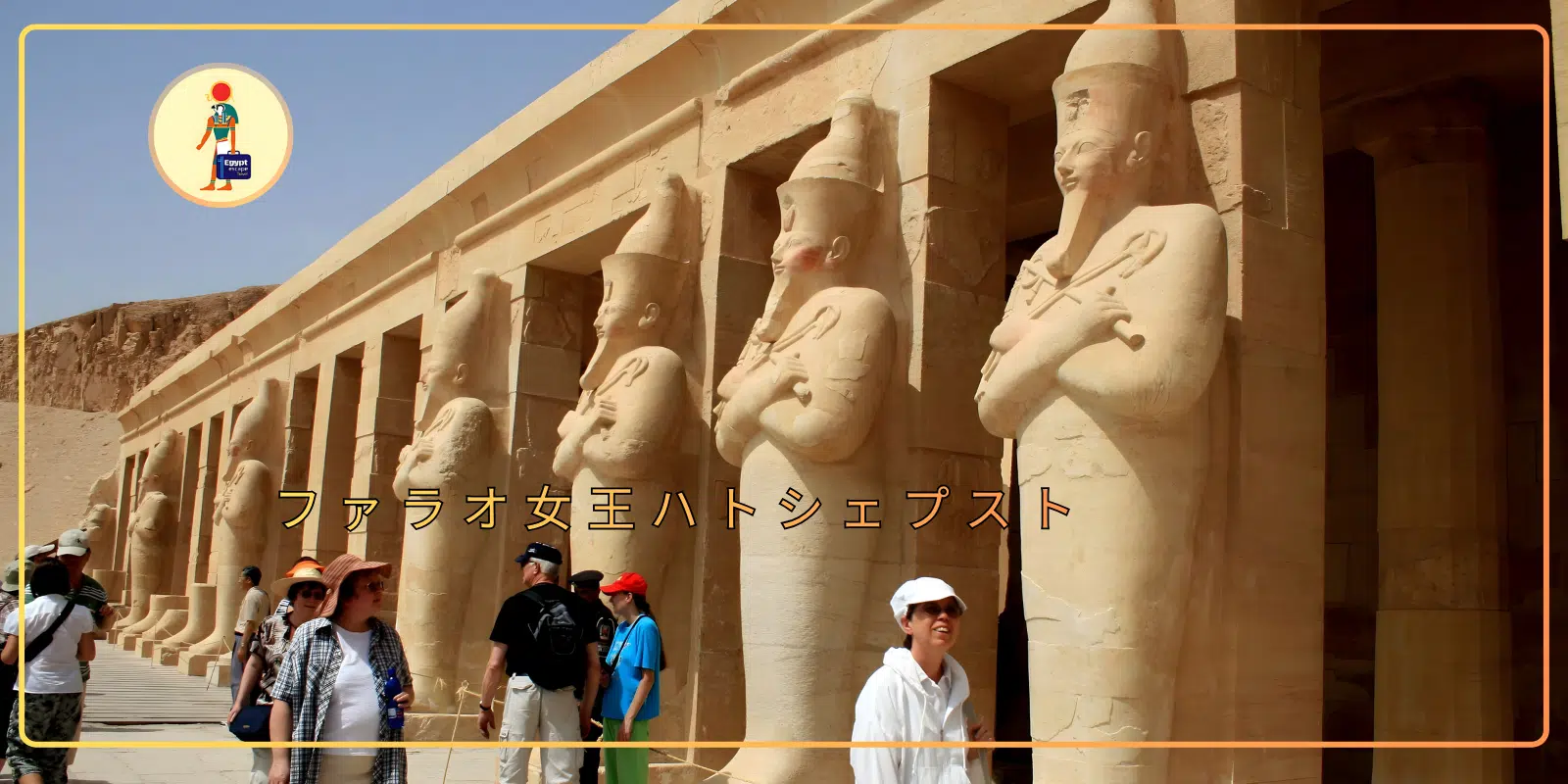
Statues were smashed, and every instance of her royal name and image was meticulously chiselled out of the temple walls.
Hatshepsut’s 9th & 10th Strategic Secrets: Triumph and Modern Reassessment
The efforts of Thutmose III ultimately failed. The sheer scale and architectural permanence of Hatshepsut‘s monuments ensured that the truth of her reign would eventually resurface.
Hatshepsut’s 9th Strategic Secret: Archaeological Revival
The 19th-century wave of archaeological rediscovery finally restored her place in history.
- Unveiling the Temple:
As archaeologists cleared the sands at Deir el-Bahri, the grandeur of her temple was revealed, along with the evidence of the systematic defacement.
- Mummy Identification:
In a dramatic breakthrough in 2007, her long-lost mummy was identified in the Valley of the Kings, confirming her physical presence and ending centuries of speculation.
Hatshepsut’s 10th Strategic Secret: A Legacy Reclaimed
Today, this amazing Egyptian queen is recognised globally as a transformative female ruler and one of the most effective pharaohs in the entire history. Her reign stands as a remarkable chapter in leadership history, shattering gender expectations and establishing a lasting legacy of stability, trade, and art.