Egypt & Japan: The ultimate guide for Japanese travellers! A thorough comparison of traditional New Year’s and Egyptian Coptic Christmas (January 7th). Over 7,000 words covering everything you need to know about safety measures, the best routes, and cultural surprises when travelling to Egypt. We’ll reveal all the secrets to enjoying this ancient civilization with a Japanese sensibility.
1.0. Egypt & Japan Travel: The” Egypt Escape Travel” Gateway to the World’s Oldest Civilization.
Welcome, dear Japanese traveller, to the ultimate guide designed specifically for you. Are you dreaming of a journey that blends the majesty of history with the warmth of genuine friendliness? The Egypt & Japan friendship, though separated by continents, shares a deep appreciation for tradition, reverence for elders, and meticulous attention to detail. This guide is your trusted senpai 先輩 for planning an unforgettable trip to Egypt during the festive period.
You’ve likely heard of Egypt’s Pyramids and temples, but have you considered how the Egyptian holiday season—spanning New Year’s and the unique Coptic Christmas (January 7th)—compares to the cherished Japanese Oshōgatsu (お正月, New Year’s holidays)?
This comprehensive, over 7,000-year guide serves a singular purpose: to provide Japanese tourists with the highly detailed, culturally sensitive information necessary to navigate and fully appreciate an Egyptian holiday adventure. We will dissect the subtle similarities and differences between Egypt & Japan holiday traditions, ensuring your experience is not only safe and luxurious but also profoundly meaningful.
-
Egypt & Japan : Setting the Stage for the Comparison
Why should a Japanese traveller care about Egyptian Christmas?
While Japan celebrates the New Year (お正月) as its most important holiday, emphasising family, purification, and gratitude, Egypt celebrates two major holidays in the same period: the Western New Year (December 31st/January 1st) and the deeply spiritual Coptic Orthodox Christmas (January 7th).
Let’s explore this cultural overlap. By understanding the Egyptian holiday context—including their 43-day fasting rituals, the midnight Mass, and the festive food- one to gain a deeper appreciation for the structured reverence that defines both cultures’ major celebrations.
We promise to deliver practical tips, detailed safety advice, and a clear comparison of Egypt & Japan holiday traditions, guaranteeing you the best possible travel strategy. This information is sourced from expert local guides (Egyptologists) and specialists in Japanese outbound tourism, ensuring accuracy and cultural respect.
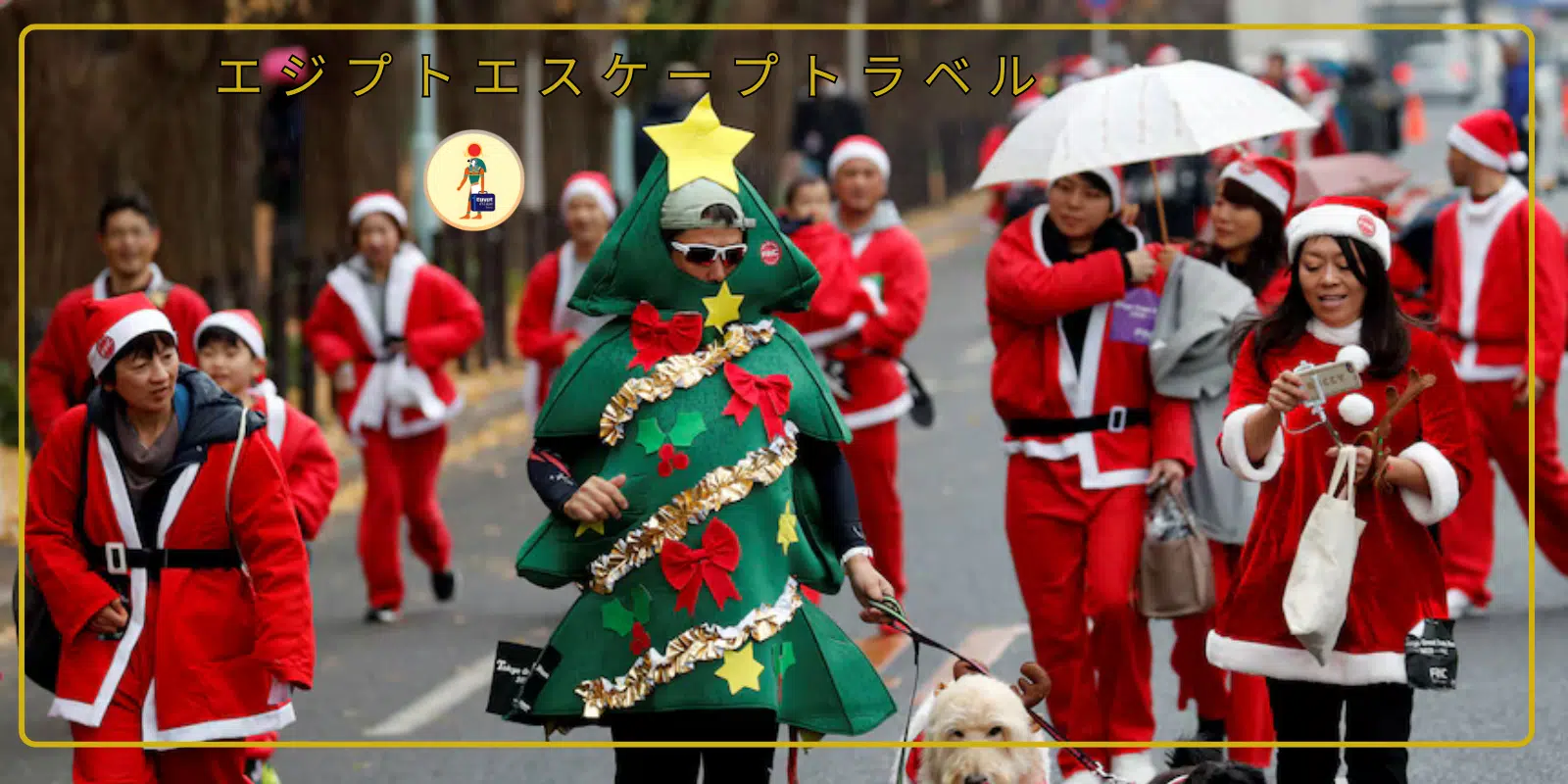
2.0. Egypt & Japan Fun Facts: The Surprising Resonance In Holiday Traditions.
The most rewarding aspect of travel is discovering unexpected cultural bridges. For the Japanese traveller, the holidays reveal a striking number of shared values.
| Japanese Tradition (Oshōgatsu) | Egyptian Parallel (Coptic Christmas/New Year) | Shared Value / Egypt & Japan Link |
| Omisoka (大晦日) Cleaning | 43-Day Nativity Fast | Purification & Preparation: Both cultures emphasize spiritual or physical preparation and cleansing before the main celebratory event. |
| Hatsumōde (初詣) Temple Visit | Midnight Mass (January 6th) | Reverence & Ritual: Attending a sacred, long ceremony (shrine/temple or church) to mark the transition and seek blessings. |
| Osechi Ryōri (おせち料理) | The Festive Feast (Fattah) | Communal Feasting: The preparation and sharing of specific, traditional, rich, and symbolic foods only during the holiday. |
| Otoshidama (お年玉) | Gift-Giving to Children (Baba Noël) | Generosity to Youth: A ritualized form of giving money or small gifts to children, symbolizing good fortune. |
| New Year’s Day Serenity | Post-Mass Peace (January 7th) | Calm Reflection: A focus on spiritual or family time after the main event, rather than commercialized excess. |
| Emphasis on Family & Elders | Extended Family Gatherings | Filial Piety (Kōdō 孝道): The holiday centers on returning home (or staying close) and honouring the family unit. |
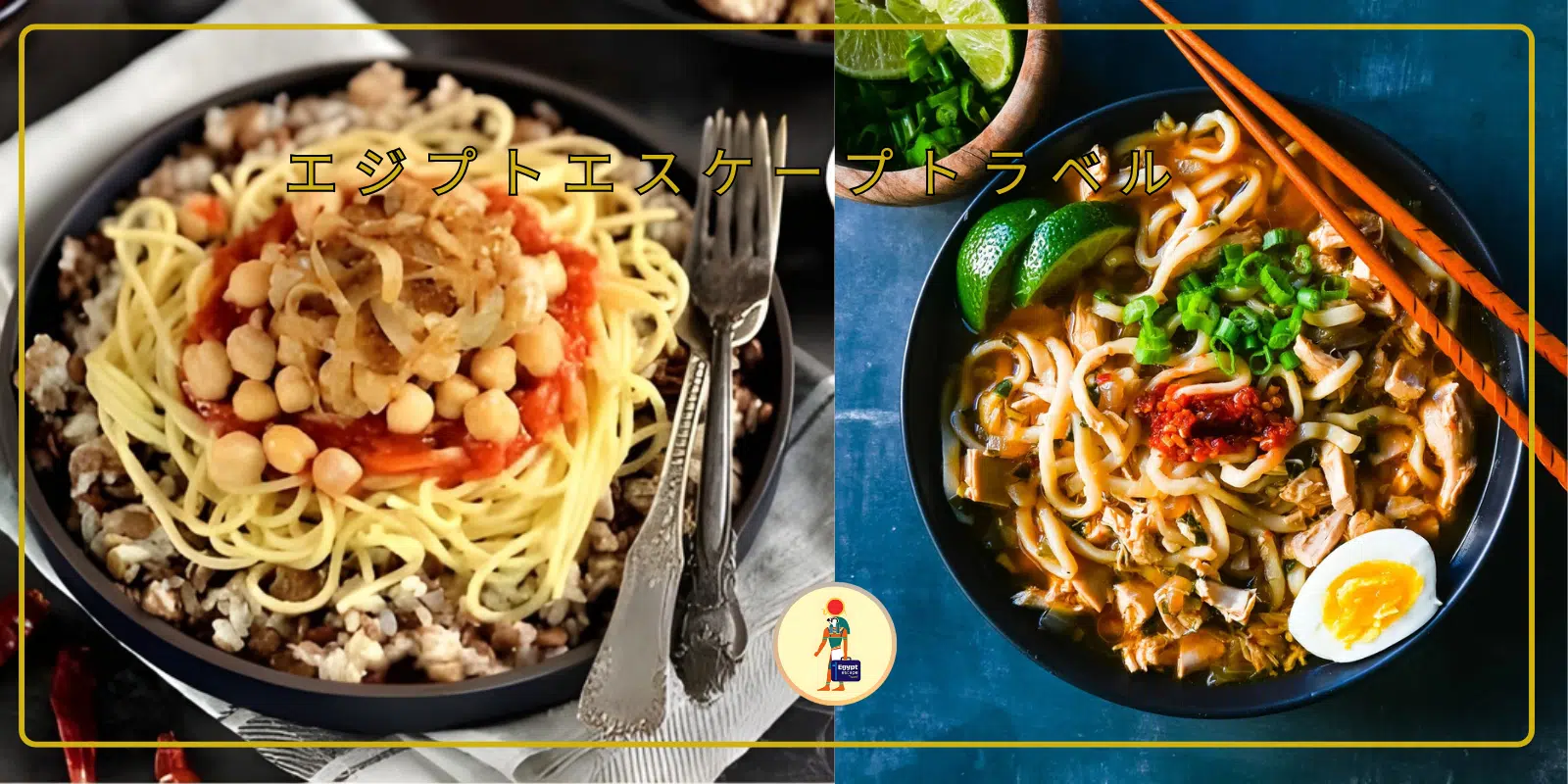
| Koshari & Ramen | Carbohydrate Love | Comfort Food Staple: Though different, dishes like Koshari (lentils, rice, pasta) and Ramen (noodles) serve as beloved, hearty, and satisfying national comfort foods. |
These seven parallels demonstrate that choosing Egypt for your holiday means connecting with traditions that feel familiar and deeply respectful—a key comfort factor for the Japanese tourist.
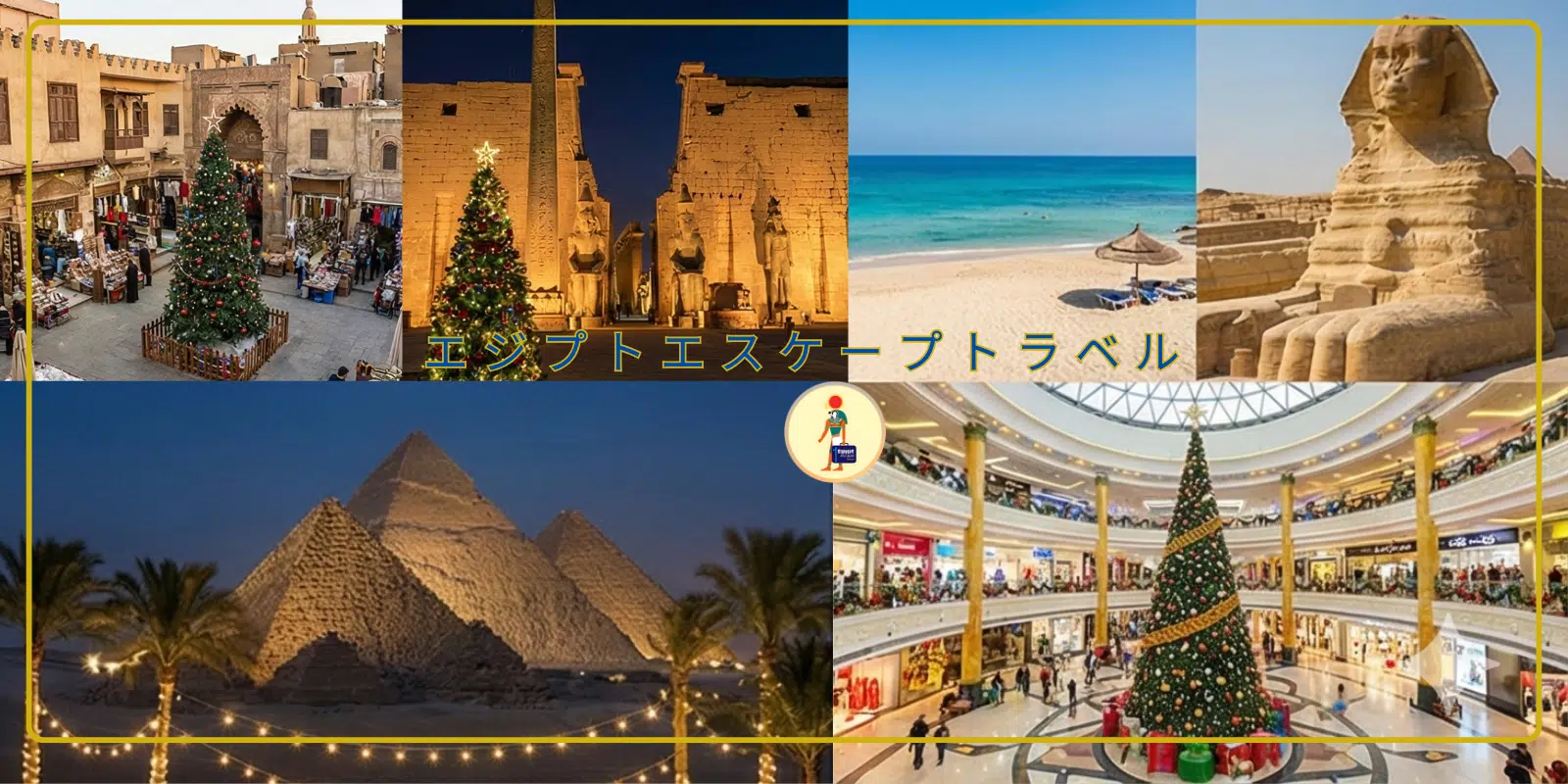
3.0. Christmas and New Year: Decoding the Dual Egyptian Celebration
While Japan largely focuses on the New Year, Egypt presents a fascinating dual celebration: the international New Year’s Eve, followed by the Coptic Christmas on January 7th.
3.1. The Western New Year (December 31st/January 1st)
In Egypt, the Western New Year is primarily a secular and commercial holiday, driven by tourism and urban centres.
- What to Expect:
Hotels, especially in Cairo (along the Nile) and Red Sea resorts (Sharm El Sheikh/Hurghada), host elaborate, mandatory Gala Dinners with live music and fireworks. This is where you experience the most crowds and the highest prices.
- The Vibe:
Energetic, international, and focused on celebration. This is the most crowded period for Nile Cruises and major sites like the Pyramids.
3.2. The Coptic Orthodox Christmas (January 7th)
This is a deeply spiritual and cultural holiday, centred on the traditions of the Coptic Church, one of the oldest Christian denominations in the world.
- When:
The Coptic Church follows the Julian calendar, placing Christmas on January 7th. The day before, January 6th, is Christmas Eve.
- The Fast (The Advent Fast):
Starting November 25th, Coptic Christians observe a strict 43-day vegan fast (no meat, fish, dairy, or eggs). This period of purification is highly respected.
- The Mass:
On the night of January 6th, families attend a long Midnight Mass. This is a beautiful, solemn, and candlelit ceremony, often lasting several hours. For the Japanese traveller, witnessing this peaceful, structured devotion is incredibly moving.
- The Feast:
The fast is broken after Mass with a grand feast. This is the origin of the traditional dishes listed below.
4.0. Egypt & Japan Culinary Comparison: Festive Foods of Egypt & Japan.
Food is the universal language of celebration, and the holidays in both Egypt & Japan are defined by meticulously prepared, symbolic meals.
4.1. The Egyptian Christmas Feast (Feast of the Nativity)
After the 43-day fast, the emphasis is on rich, hearty, and celebratory meat dishes, symbolizing abundance and the end of austerity.
| Egyptian Dish
(Christmas Feast) |
Japanese Equivalent
(Osechi Ryōri) |
Cultural Function in Egypt & Japan |
| Fatta | Zōni (雑煮) Soup | Symbol of Abundance:
A staple, warm, and highly symbolic main dish served only on the holiday. Fatta layers bread, rice, and meat with garlic-vinegar sauce. |
| Kofta | Grilled Fish (Tai) | Celebratory Protein:
Rich, often grilled meat (Kofta are meatballs/skewers) or fish, is enjoyed after a period of dietary restriction. |
| Basbousa | Wagashi/Mochi
(和菓子/餅) |
Holiday Sweetness:
An indulgent, sweet dessert (semolina cake soaked in syrup) to mark the festive end of the year/fast. |
| Koshari | Everyday Comfort Food | National Staple:
Though not exclusively a Christmas dish, this mix of rice, pasta, lentils, and sauce is Egypt’s defining comfort food, akin to a favourite local ramen or curry. |
4.2. Fun Facts About Egyptian Holiday Food.
- Rice Culture:
Like Japan, rice is central to the Egyptian diet, featuring prominently in dishes like Fatta and Roz Me’ammar (baked rice with cream and meat).
- Kahk Cookies:
These traditional sugar-dusted cookies are enjoyed across multiple Egyptian holidays (both Muslim and Christian), similar to how specific wagashi are seasonally important in Japan.
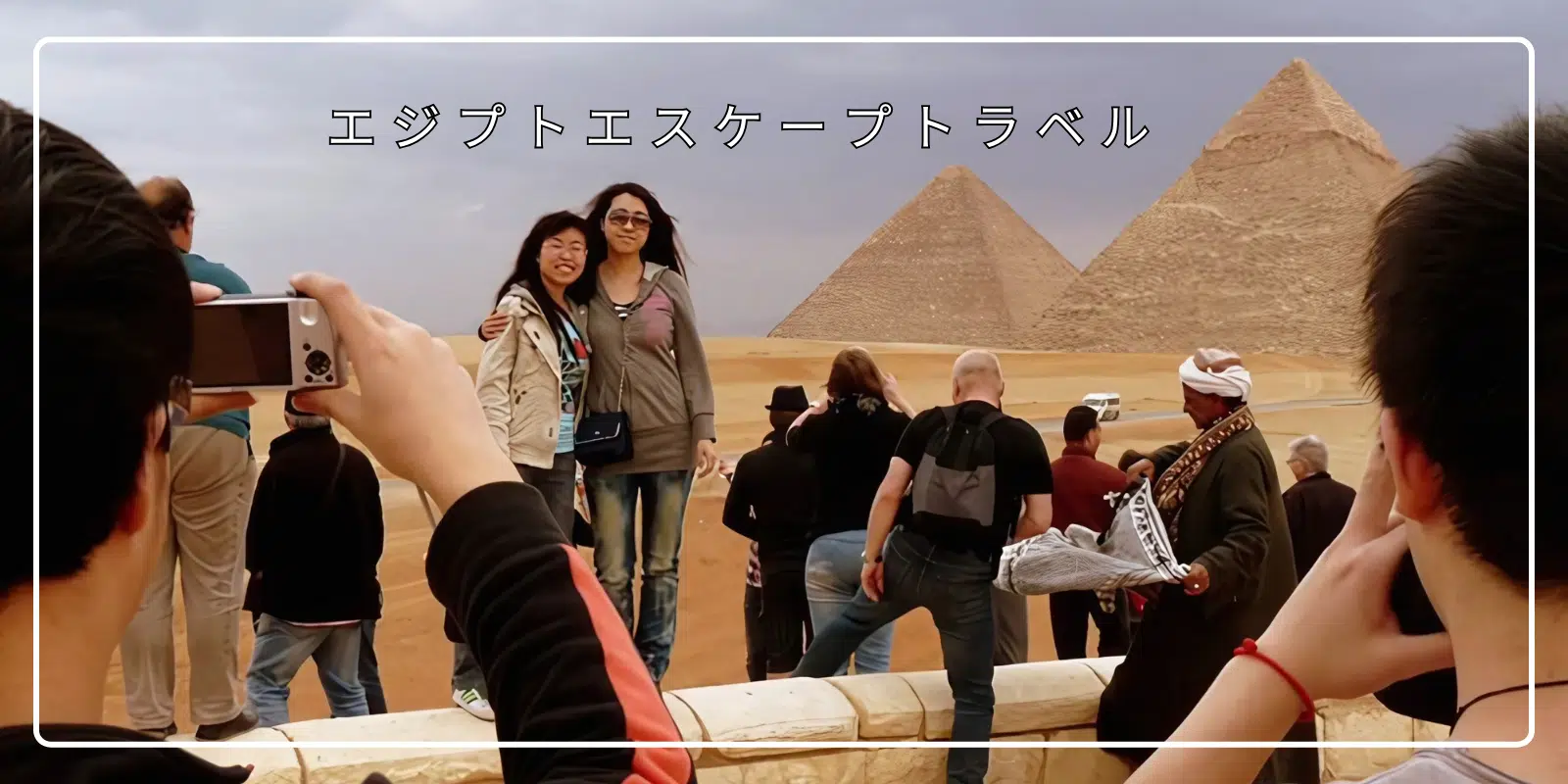
5.0.Egypt & Japan Logistics: Safety, Weather, and Itinerary Planning.
For the Japanese traveller to Egypt, security and seamless logistics are paramount. This section addresses the practical realities of travel during the peak holiday season.
5.1. Safety and Security (安心・安全)
Egypt is safe for tourists, especially within organized tour groups and major tourist corridors.
- Security Measures: Major sites (Giza, Karnak, GEM) have visible Tourism Police and strict security checks. Travel agencies catering to the market use vetted transport and highly trained guides.
- Street Vending: The primary “risk” is aggressive souvenir vendors, especially in crowded areas like the Pyramids or Khan El Khalili. A firm, polite “No, thank you” (Shukran, ありがとう) is usually sufficient.
- Health Precautions: Tap water is generally safe for brushing teeth but stick to bottled water for drinking. Carry basic medication for stomach issues (like Imodium or Japanese equivalent).
5.2. Weather & Packing Essentials (気候と持ち物)
The December/January climate is one of the biggest appeals to the Japanese traveler to Egypt, offering a comfortable escape from the cold.
| Destination | Daytime Temp (°C) | Nighttime Temp (°C) | Packing Strategy |
| Cairo/Giza | 18°C–22°C | 9°C–12°C | Layers: Warm, light jacket or coat for the morning/evening. |
| Luxor/Aswan (Nile) | 23°C–26°C | 8°C–10°C | Sunny Days, Cold Nights: Sunscreen and hat for the day; heavy sweater or fleece for the cruise deck at night. |
| Red Sea (Sharm/Hurghada) | 24°C–26°C | 15°C–17°C | Resort Wear: Swimsuit, windbreaker for boat trips. |
5.3. Strategic Sightseeing (効率的な観光) In Your Egypt Tour.
The holiday period is peak season. To avoid the crowds, follow the “Early Bird” strategy:
- Early Starts:
Aim to be at sites like the Valley of the Kings or the Pyramids immediately at opening time (usually 6:00 AM or 7:00 AM). The cool morning air and fewer visitors ensure a higher quality experience.
- Private vs. Group:
A private or small-group tour offers flexibility, allowing your guide to adjust the schedule to avoid the busiest times—an essential luxury for the Japanese traveller to Egypt during high season.
- Dahabiya Advantage:
As mentioned in the draft, opting for a smaller Dahabiya Nile Cruise (12-24 guests) rather than a large cruise ship (100+ guests) means quieter docking and a more exclusive, peaceful atmosphere reminiscent of traditional Japanese hospitality.
6.0.Cultural Nuances: Language, Respect, and Santa (Papa Noël)
Bridging the cultural gap enhances your trip dramatically. Understanding key phrases and local customs demonstrates the respect cherished in Egypt & Japan.
6.1. Egypt & Japan: Greetings and Respect.
- How to Say “Merry Christmas”:
-
- The formal greeting is “Eid Milad Majid”, meaning “Glorious Birth Feast.” This is widely appreciated, especially when greeting a Coptic Christian.
- A simple “Merry Christmas” in English is also fine in tourist areas.
- Thanks: “Shukran”: Using basic Arabic shows respect and warmth.
- The Tipping Culture (Baksheesh): Unlike the non-tipping culture of Japan, Baksheesh is essential in Egypt. It is a traditional form of recognizing service. Always carry small EGP denominations (like $10 EGP or $20 EGP) for restroom attendants, helpful staff, and luggage handlers.
6.2. Santa and Seasonal Cheer.
- Papa Noël:
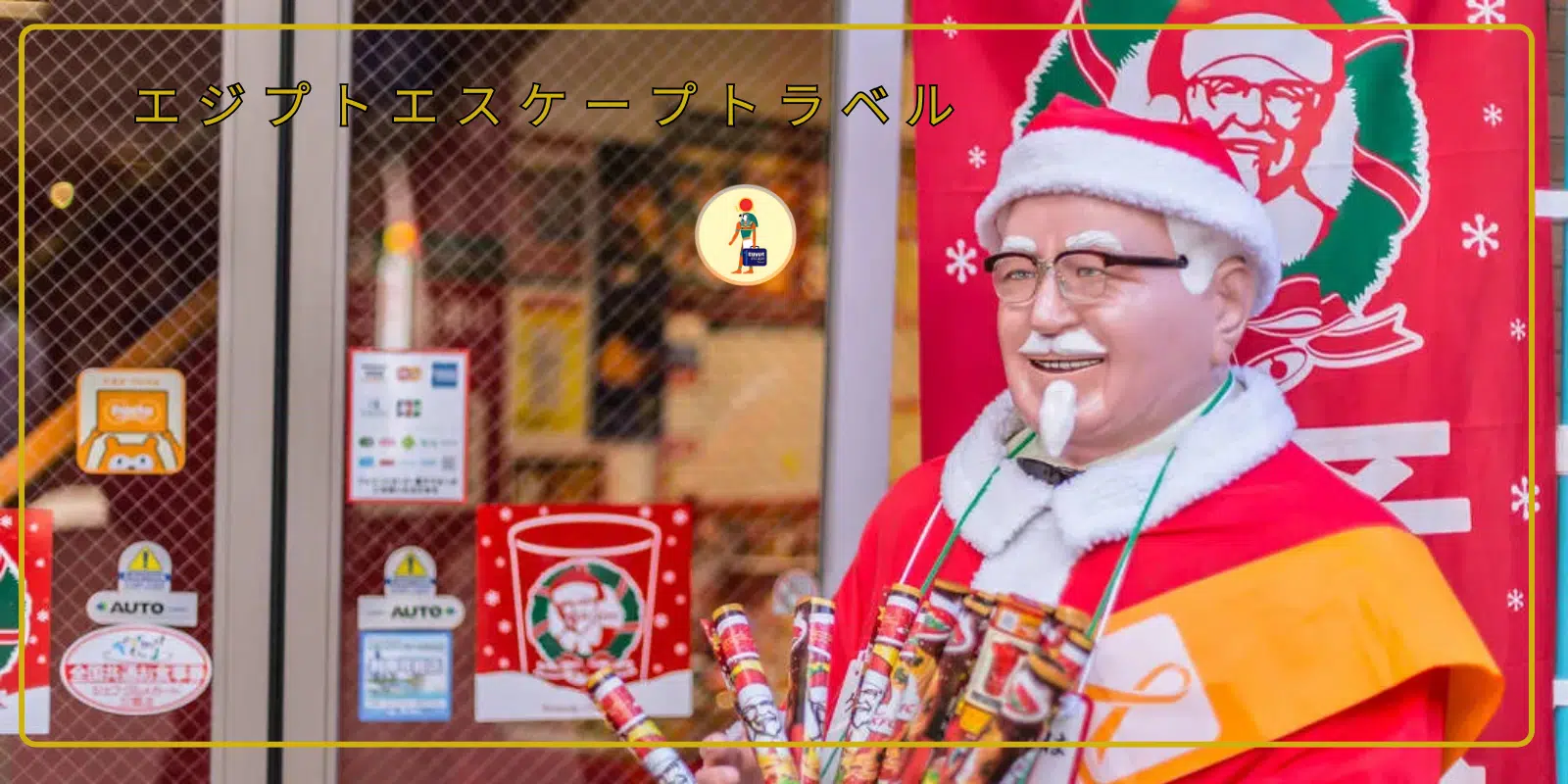
The Egyptian equivalent of Santa Claus is affectionately called “Baba Noël” (meaning Father Christmas). You’ll spot him in malls and large hotels, blending global festive cheer with a local twist. This is a purely modern addition, unlike the deep religious roots of the Coptic celebrations.
- Decorations:
In the festive spirit of the Egypt & Japan celebration, major cities like Cairo and Alexandria embrace lights, Christmas trees, and ornaments. Japanese travellers will find that Egyptian hotels and churches are often beautifully decorated, incorporating stars and nativity scenes.
6.3. Attending Mass (A Special Cultural Note)
If you are invited or wish to attend the Midnight Mass on January 6th, remember:
- Duration:
Services can be very long (sometimes 3 hours or more).
- Language:
Much of the service is in the Coptic Language (a direct descendant of Ancient Egyptian), not Arabic. This provides a fascinating auditory link to Egypt’s deep past.
- Attire:
Dress modestly and respectfully.
7.0. Itinerary Deep Dive: Beyond the Pyramids.
While Cairo, Luxor, and Aswan are mandatory, the traveler seeks sites that offer peace, historical depth, and unique beauty, especially during the festive period.
7.1. Cairo & Giza–The New Wonders.
- Grand Egyptian Museum (GEM): The centerpiece of modern tourism. Dedicate a full day to seeing the complete Tutankhamun collection—over 5,000 artifacts—displayed for the first time.
- Pyramids of Dahshur: For those seeking quiet contemplation away from the Giza crowds, Dahshur features the Bent Pyramid and the Red Pyramid (the world’s first true pyramid), offering incredible photographic opportunities and a sense of solitude.
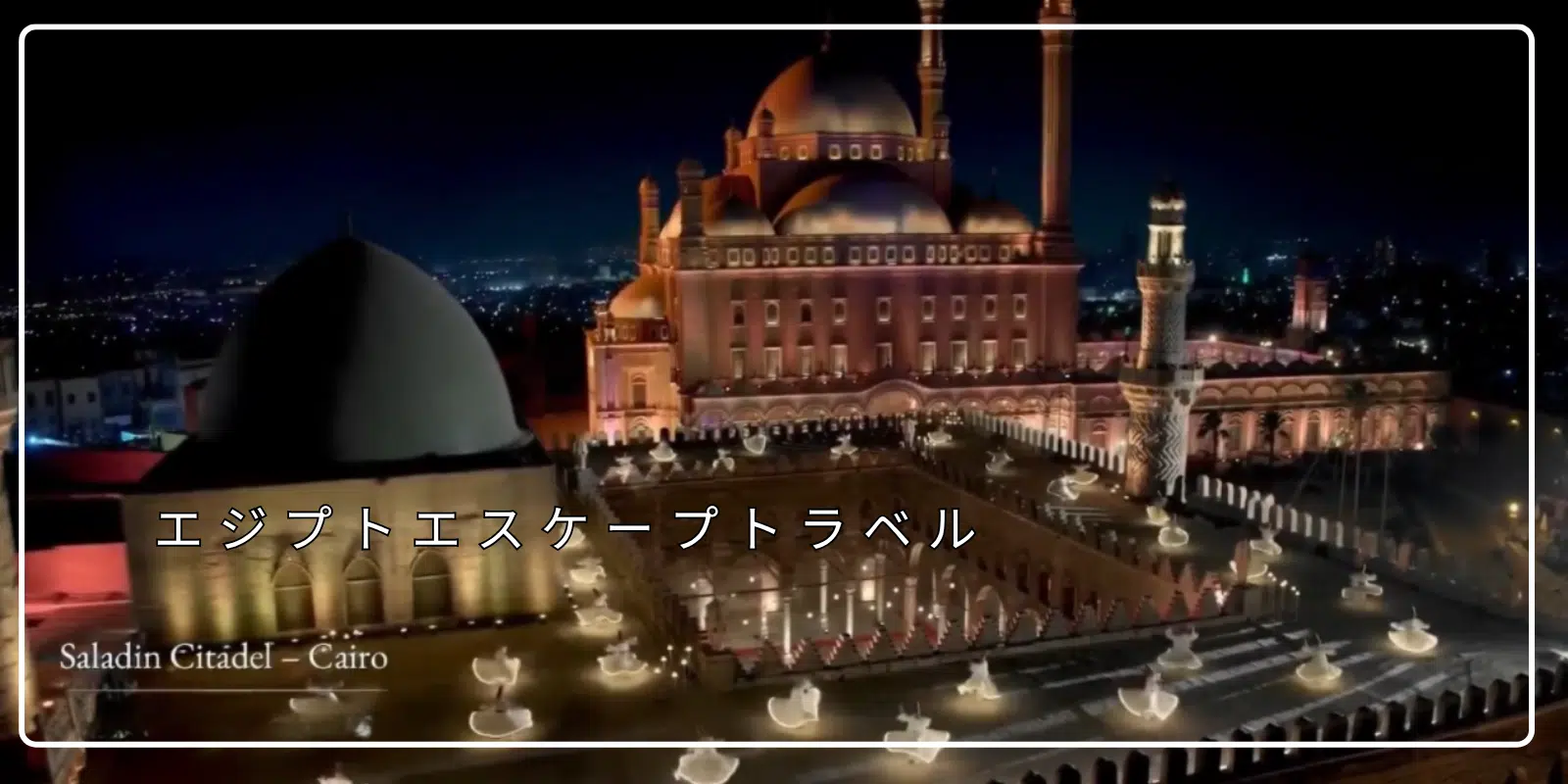
- Mosque of Ibn Tulun: Skip the overcrowded Al-Azhar. Ibn Tulun is the oldest mosque in Cairo maintaining its original form and offers a magnificent, quiet spiral minaret—a perfect spot for reflection.
7.2. Luxor & Aswan–Historical Serenity.
- Temple of Dendera (Dendera Temple Complex):
A must-see. Its stunning, well-preserved ceiling reliefs, including a famous zodiac, are breathtaking. The drive north from Luxor to Dendera is well worth the time for its intricate detail and lack of major crowds.
- Deir el-Medina (The Workers’ Village):
Located near the Valley of the Kings, this site offers intimate tombs belonging to the artisans who built the royal tombs. Their colorful, domestic scenes offer a rare human glimpse into ancient life, contrasting with the royal grandeur.
- Kalabsha Temple (Aswan):
Located on an island near the High Dam, this beautifully preserved Nubian temple offers intricate carvings and is often much quieter than Philae, giving you a chance for peaceful exploration.
7.3. The Red Sea Finale.
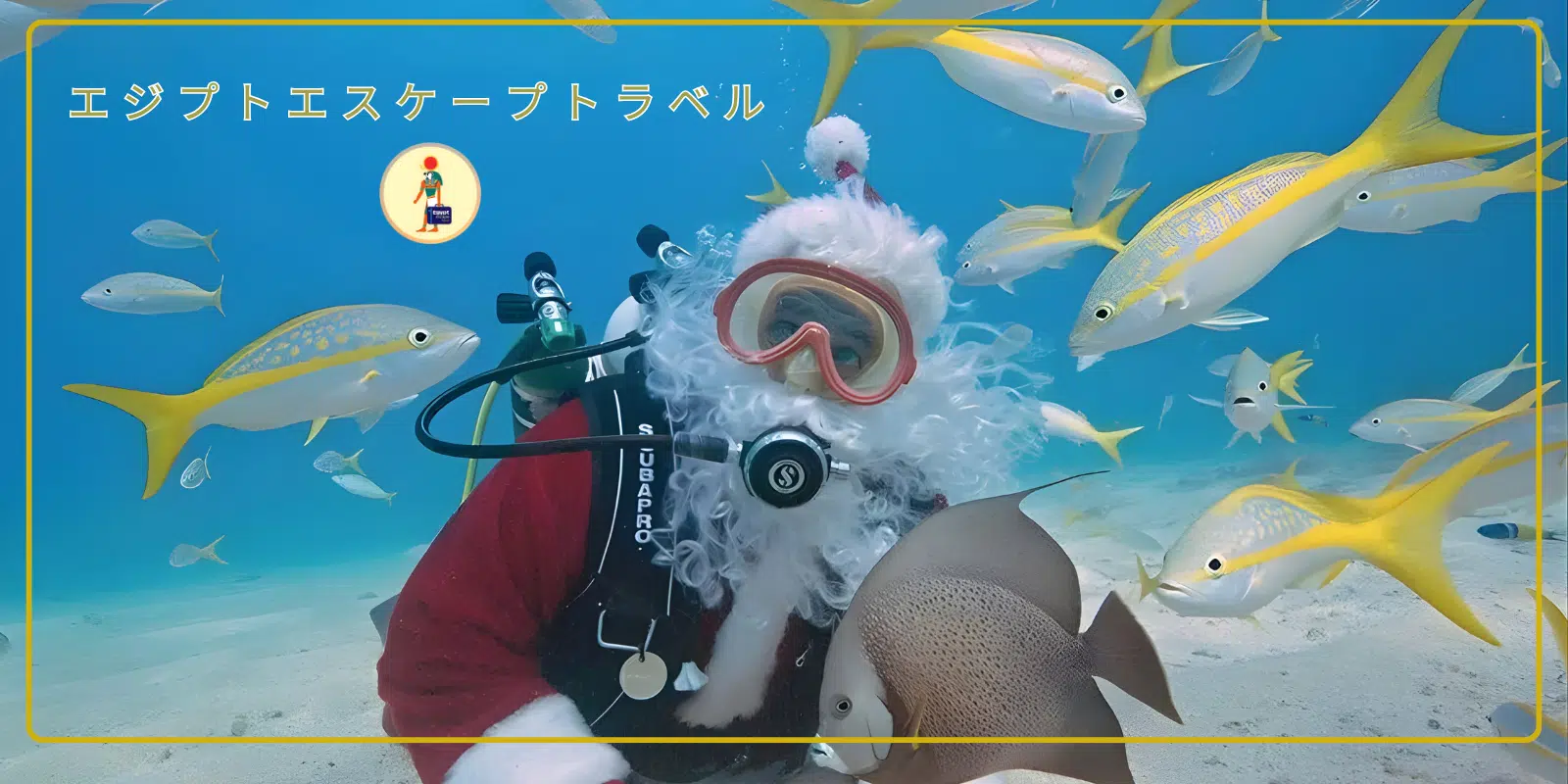
Ending your trip in Sharm El Sheikh or Hurghada is the perfect way to wind down. In December, the weather is idyllic for diving and snorkelling. The festive atmosphere in the resort hotels provides a fun, international environment for ringing in the Western New Year before returning home.
8.0. Conclusion: Your Unforgettable Holiday Awaits.
The Japanese traveller to Egypt is uniquely positioned to appreciate the best of the Egyptian holiday season. You can celebrate the international New Year with fireworks and festive dinners, while simultaneously experiencing the deep spiritual reverence of the Coptic Christmas on January 7th—a tradition mirroring the solemnity and family focus of Oshōgatsu.
By focusing on personalized tours, early morning starts, and incorporating lesser-known, peaceful sites like Dendera or Dahshur, your trip will transcend mere sightseeing. It will become a bridge between the ancient soul of Egypt and the refined sensibility of Japan.
Would you like to explore sample itineraries that seamlessly blend the Coptic Christmas and New Year celebrations for the traveller?
From all of the “Egypt Escape Travel” team, we wish you a Merry Christmas & a happy New Year. Hoping this comprehensive guide, optimized for you, with the confidence and knowledge needed for seamless planning.