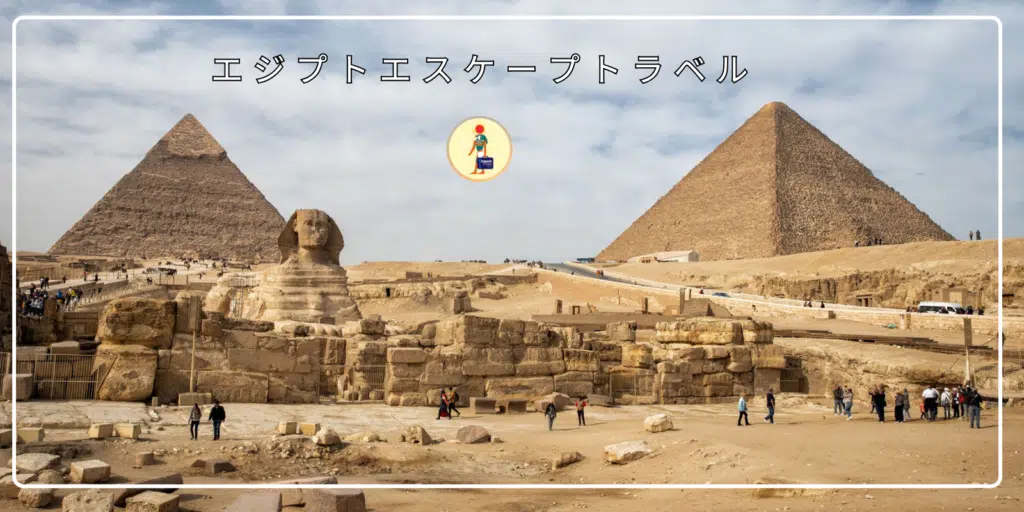
For the discerning Japanese traveller, a journey to the heart of Egypt is far more than a simple international holiday. It represents a profound, deeply moving pilgrimage to the very origin of human civilization, monumental architecture, and cultural endurance. In Japan, society places an immense, sacred value on the preservation of heritage, ancestral respect, and the meticulous maintenance of national treasures. This deep cultural foundation allows Japanese visitors to truly appreciate the grand monuments of the pharaohs, which have stood against the desert sands for thousands of years. As you explore this fascinating country, there is no greater symbol of eternal legacy and engineering perfection than the ancient monuments that dominate the desert horizon.
The Pyramids stand as the ultimate masterpiece of ancient Egyptian power, religious devotion, and mathematical genius. Located on the edge of the Giza Plateau, where the desert sands meet the modern city of Cairo, these breathtaking structures offer an elite travel experience that perfectly balances historical education with awe-inspiring beauty. For our valued guests from Japan, who deeply value structural order, punctuality, absolute safety, and the authentic spirit of Omotenashi (heartfelt hospitality), exploring these monuments provides a deeply fulfilling adventure. It beautifully echoes the Japanese concept of Monozukuri—the supreme pride in primary craftsmanship, technical precision, and timeless perfection.
At Egypt Escape Travel, we specialize in transforming your historic dreams into a seamless, highly comfortable reality. We know that travelling through the vast landscapes of Egypt requires expert logistical planning, premium private transportation, and insightful guidance in your native language. This massive, comprehensive guide is carefully crafted to serve as your ultimate manual for exploring the ancient world, ensuring your premium summer journey is relaxing, deeply educational, and completely unforgettable.
The Pyramids: 1. The Divine Vision and Old Kingdom Spiritual History
The Pyramids were not merely grand civilian structures or royal political statements; they were deeply sacred sanctuaries designed to function as cosmic resurrection machines for the pharaohs. Built primarily during the Old and Middle Kingdom periods, these colossal monuments served as the final resting places for divine rulers who held absolute power over the unified land of Egypt. The ancient Egyptians possessed a deeply complex spiritual philosophy centred on the concept of Ma’at—universal order, cosmic balance, and eternal truth. They believed that when a pharaoh passed away, his spirit, or Ka, would ascend to live among the gods, continuing to protect the nation from the afterlife.
The unique geometric design of these royal tombs was deeply tied to their solar religion. The sharp, sloping sides of the structures represented the solid rays of the sun descending to the earth, creating a physical stone ramp that the deceased king could use to climb into the heavens. For Japanese travellers who possess a deep historical curiosity and a profound respect for ancestral traditions, understanding this spiritual purpose adds an incredible layer of meaning to the tour. It reveals a society that looked toward the cosmos to secure its eternal cultural identity and national harmony.
The Pyramids: 2. The Architectural Evolution From Step Tombs to Giza
The Pyramids did not achieve their iconic, smooth-sided geometric perfection overnight. The journey toward building the massive monuments we see at Giza today involved centuries of architectural experimentation, engineering trials, and structural evolution. The historic timeline began during the 3rd Dynasty with the construction of the famous Step Pyramid of Djoser at Saqqara, built around 2670 BCE by the legendary architect Imhotep. This innovative structure was created by stacking six rectangular stone benches, known as mastabas, on top of each other to create a towering, stepped monument.
Over the decades, subsequent pharaohs experimented with different slopes and materials, leading to unique architectural variations like the Bent Pyramid and the Red Pyramid at Dahshur. By the time the 4th Dynasty arrived, Egyptian engineers had completely mastered the physics of stone distribution, culminating in the construction of the smooth-sided masterpieces at Giza. For the refined Japanese tourist, observing this grand evolutionary process provides a fascinating look into ancient problem-solving, structural discipline, and the relentless pursuit of perfection that mirrors Japan’s own rich history of master carpentry and architectural development.

The Pyramids: 3. The Structural Genius and Math of the Great Pyramid
The Pyramids reached the absolute peak of engineering grandeur with the construction of the Great Pyramid of Giza, built around 2560 BCE for Pharaoh Khufu (also known to history as Cheops). This massive monument stands over 140 meters high and was constructed using an estimated 2.3 million individual limestone and granite blocks, with some stones weighing up to 80 tons. For over 3,800 years, it held the proud title of the tallest man-made structure on earth, captivating the imagination of scientists, mathematicians, and travellers throughout human history.
What truly amazes modern structural engineers is the incredible mathematical precision woven into the monument’s core design. The base of the Great Pyramid is perfectly level to within just a few centimetres, and its four sides are aligned almost exactly with the four cardinal points of the compass (North, South, East, and West) with an error of less than a fraction of a single degree. The complex interior includes the Grand Gallery, the King’s Chamber, and deep, mysterious shafts that point directly toward specific stars. This flawless execution commands the deepest respect from international visitors who appreciate meticulous craftsmanship and technical accuracy.
The Pyramids: 4. The Fascinating Truth About the Skilled Builders
The Pyramids have been surrounded by numerous historical myths for centuries, the most common being that they were constructed using large armies of enslaved people working under harsh conditions. However, modern archaeological excavations near the Giza Plateau have completely disproved this theory. Discoveries of specialized worker villages, royal bakeries, and extensive burial grounds have revealed that these ancient structures were actually built by highly skilled professional craftsmen, permanent engineers, and seasonal agricultural labourers who volunteered their time during the annual Nile flood season.
The workers were deeply respected members of Egyptian society, receiving excellent healthcare, comfortable housing, and daily rations of high-quality meat, fresh bread, and local beer. The construction process was an organized, national project that united the entire population under a shared spiritual and civic purpose. For Japanese visitors who value the principles of teamwork, social harmony, and collective dedication to a grand national goal, learning the true story of these skilled labourers creates a powerful emotional connection to the ancient builders.
The Pyramids: 5. The Hidden Secret of the Shining Polished White Limestone
The Pyramids present a magnificent, weathered golden-brown appearance to the modern traveller today, but their original look was radically different and infinitely more spectacular. When first completed, these giant structures were completely covered in a smooth, outer casing layer of highly polished white Tura limestone. These white stones were cut with microscopic precision and fitted together so tightly that the seams between them were completely invisible to the naked eye.
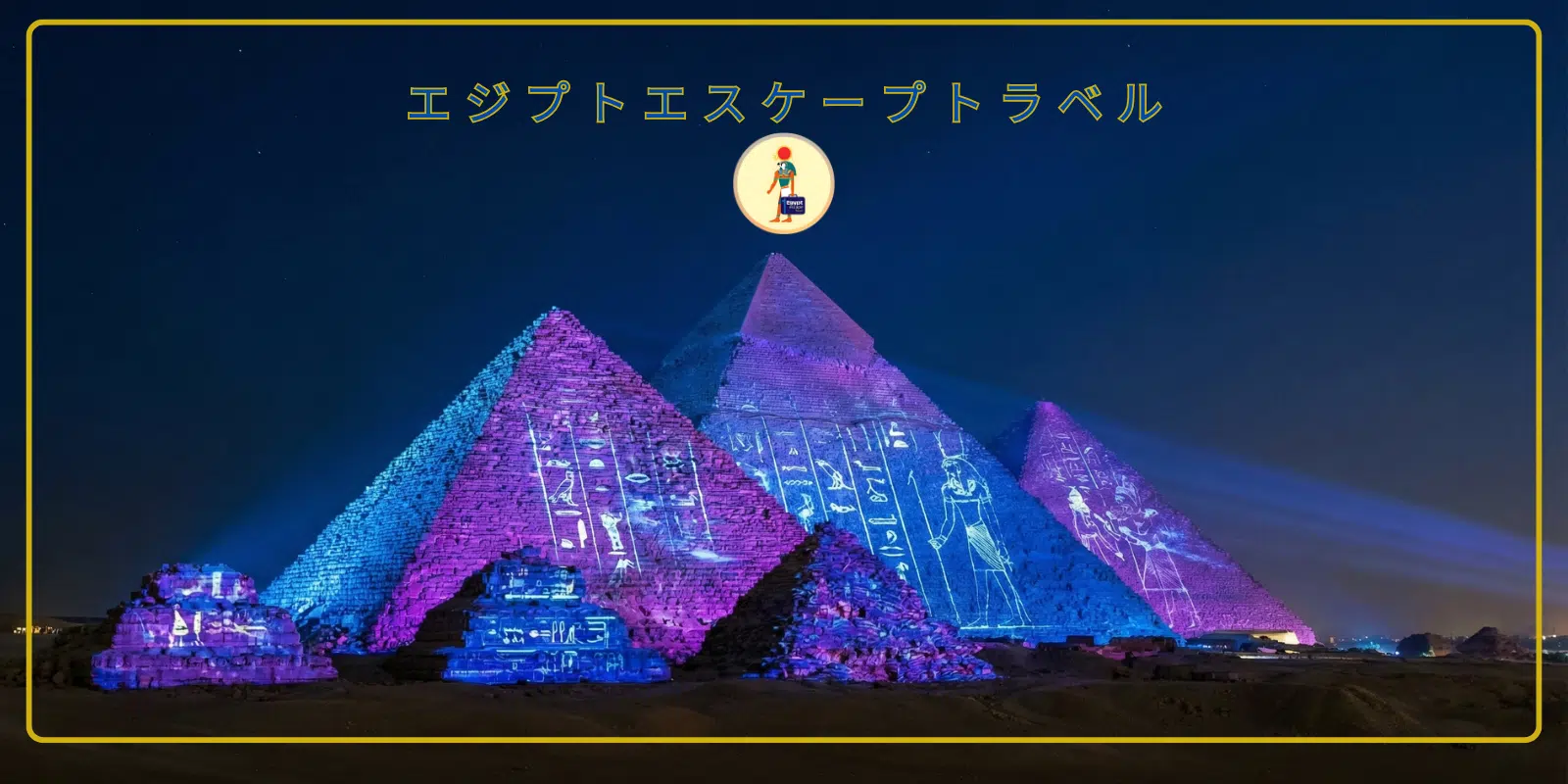
As the intense Egyptian sun moved across the desert sky, these polished white surfaces reflected the light with brilliant intensity, causing the monuments to gleam like giant, radiant jewels in the middle of the desert landscape. At night, the smooth white limestone reflected the soft light of the full moon, casting a magical, ethereal glow across the Nile Valley. Although most of this outer casing was stripped away during the medieval period to build palaces and mosques in Cairo, visitors can still see remnants of these original white stones at the very peak of the Pyramid of Khafre.
The Pyramids: 6. The Celestial Alignment and the Connection to Orion
The Pyramids were not built in random locations along the desert plateau; their geographical placement was carefully guided by a profound understanding of the stars and celestial mechanics. Astronomical research suggests that the specific alignment and size of the three main structures at Giza—Khufu, Khafre, and Menkaure—closely reflect the three main stars in the Belt of Orion. This celestial connection was deeply deliberate and held massive religious significance for the ancient Egyptians.
The Orion constellation was viewed as the heavenly home of Osiris, the supreme god of the underworld, rebirth, and the afterlife. By mirroring the pattern of the stars directly on the desert soil, the ancient architects created a permanent cosmic connection between heaven and earth, ensuring that the pharaoh’s soul would find its way to the eternal kingdom of Osiris. For Japanese travellers who appreciate deep spiritual philosophy, complex star mythology, and universal harmony, studying this cosmic design highlights the brilliant connection the ancient world maintained between the universe and human architecture.