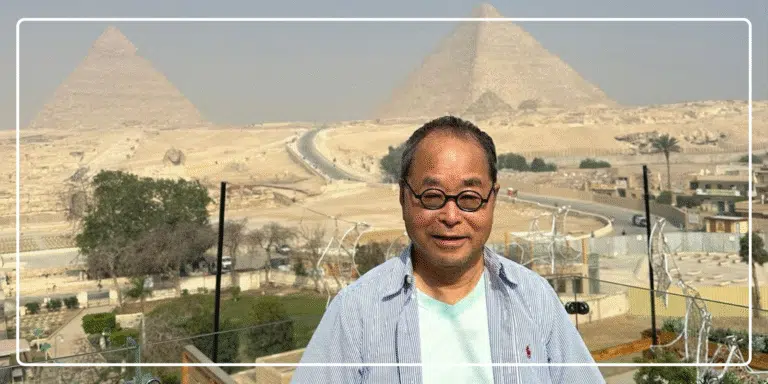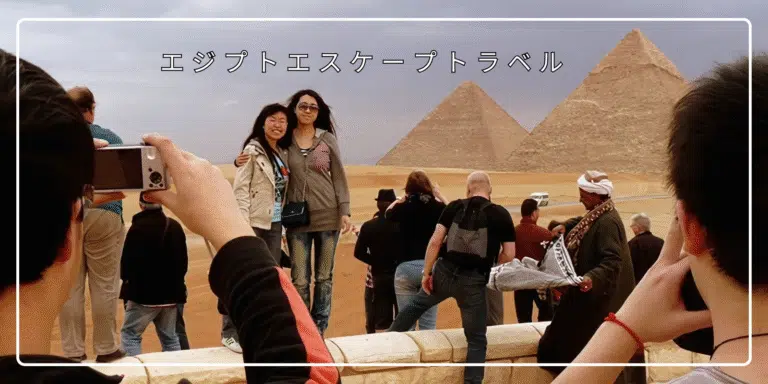
For the Japanese traveller, a journey to Egypt is often viewed as a spiritual and intellectual pilgrimage to the very dawn of human civilization. While the Pyramids of Giza provide an iconic silhouette against the Cairo skyline, it is the southern city of Luxor that holds the keys to the most intimate secrets of the Pharaohs. Known globally as the “world’s greatest open-air museum,” this ancient capital—formerly known as Thebes—is a place where the concepts of eternity, harmony, and architectural precision come to life.
When planning an overseas excursion, Japanese tourists prioritize safety, punctuality, and deep educational value. We understand that you seek more than just a photo opportunity; you seek a connection with history and the spirit of local culture. At Egypt Escape Travel, we specialize in bridging these two worlds. In this massive guide, we will explore why Luxor sightseeing is the true heart of any Egyptian adventure and how professional guidance ensures your trip is as seamless as a high-speed Shinkansen journey. Standing on the banks of the Nile in Luxor, one realizes that time here does not flow linearly; it stands still in the face of stone monuments that have seen the rise and fall of countless empires.
Luxor Sightseeing Strategy: The East Bank vs. The West Bank
To understand the majesty of the New Kingdom, one must start Luxor sightseeing with a simple plan. The city is divided by the Nile River into two distinct areas: the East Bank, symbolizing life and the rising sun, and the West Bank, representing the afterlife and the setting sun. For the Japanese traveller who appreciates long-standing traditions and cultural heritage, walking through the ruins of Thebes feels like a familiar tribute to the power of the ancestors.
A professional Luxor tour begins with an understanding of this sacred geography. The East Bank is where the living worshipped their gods in colossal temples, while the West Bank is where the pharaohs built their eternal resting places. Navigating these two worlds in Luxor requires a private, air-conditioned vehicle and an expert guide who can explain the complex mythology of the gods Amun, Mut, and Khonsu. By choosing a high-quality Luxor package, you ensure that every logistical detail is handled with precision. The sun over Luxor dictates the rhythm of the day, moving from the vibrant morning energy of Karnak to the quiet afternoon shadows in the Valley of the Kings.
Luxor Sightseeing Highlight: Decoding the Karnak Temple Complex
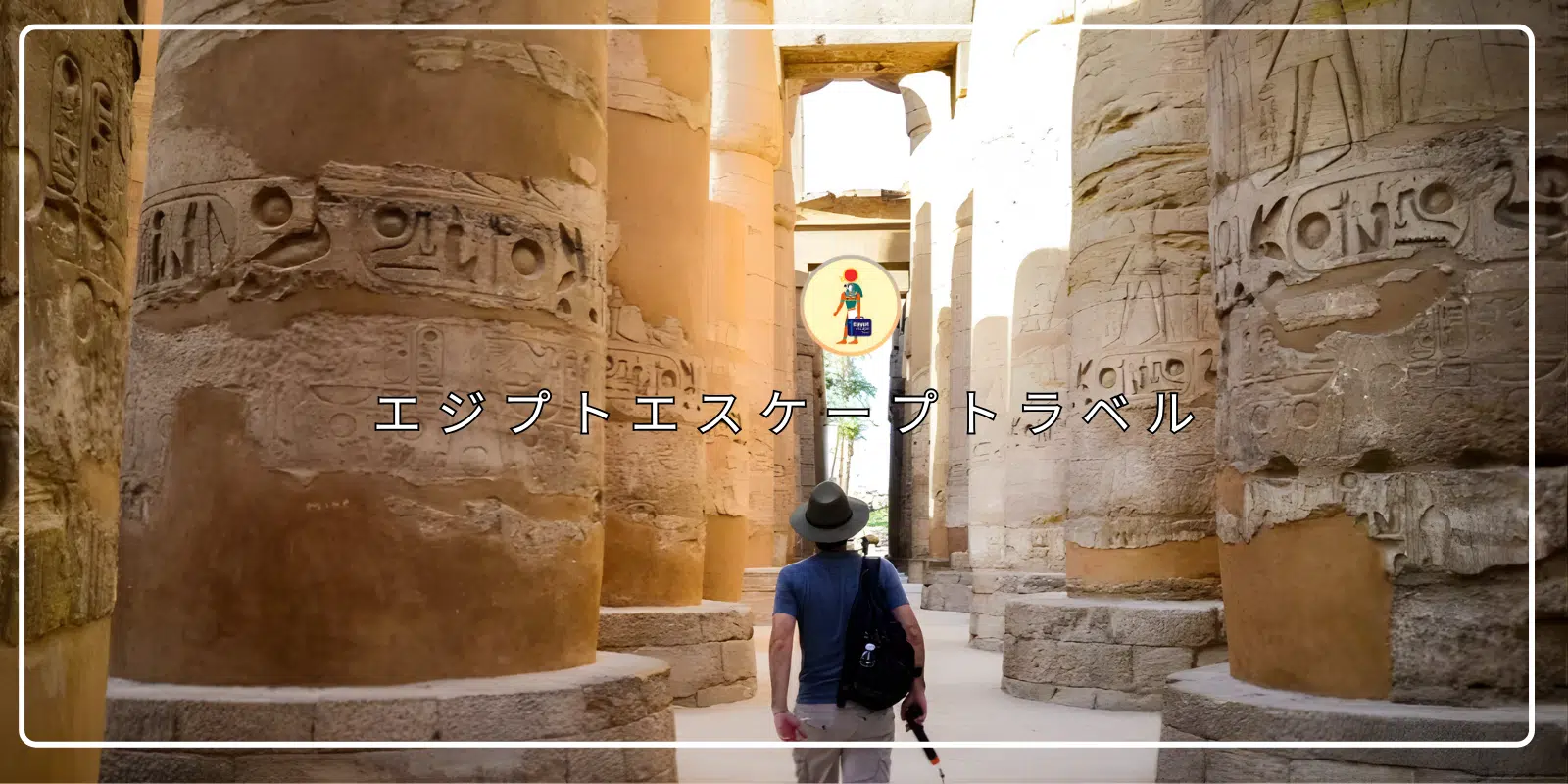
The Karnak Temple Complex in Luxor is perhaps the most impressive religious site in the world. It was not built by a single king but grew over 1,500 years as pharaoh after pharaoh added their own monuments to honor the god Amun-Ra. For visitors from Japan, the scale of Karnak in Luxor is often overwhelming, yet its mathematical harmony is deeply appreciated. Within the walls of Karnak in Luxor, you will find the Great Hypostyle Hall, featuring 134 massive columns that once supported a towering stone roof.
As you walk through Karnak during your Luxor tour, your Japanese-speaking guide will point out the intricate carvings that depict historical battles and religious rituals. Many of these reliefs in Luxor still retain their original colours, a testament to the advanced chemistry of the ancient Egyptians. In Luxor, Karnak also features the sacred lake, where priests would purify themselves before ceremonies. Understanding these rituals provides a layer of cultural depth that turns a simple walk through ruins into a spiritual experience. The sheer density of history in Luxor means that even a single day at Karnak can only reveal a fraction of its secrets.
Luxor Sightseeing Highlight: Illuminating the Beauty of Luxor Temple
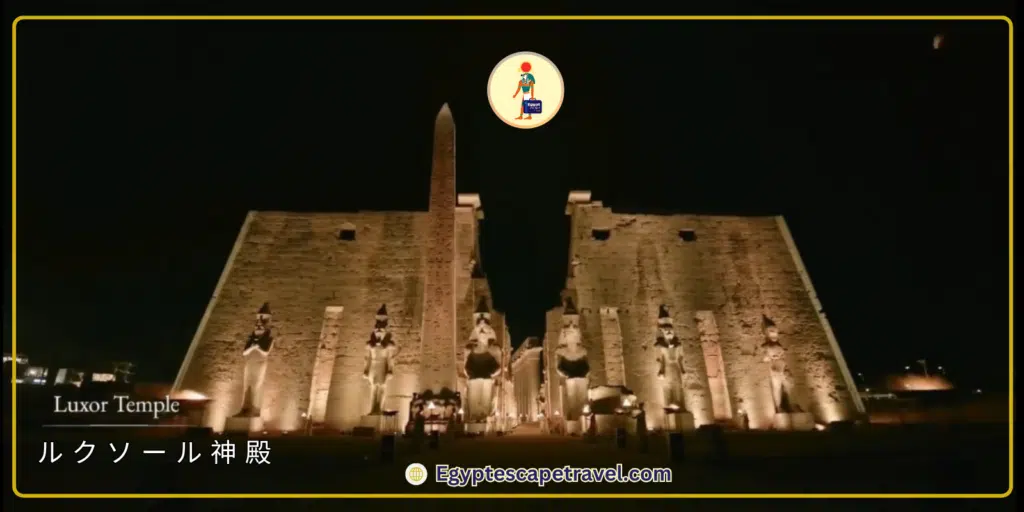
Located in the heart of the modern city, Luxor Temple is a masterpiece of light and shadow. Unlike many other temples, this site in Luxor was used primarily for the OPET Festival, a grand celebration where the statues of the gods were carried from Karnak to the Luxor Temple along the Avenue of Sphinxes. Today, this avenue in Luxor has been fully restored, allowing travellers to walk the same three-kilometre path used by the pharaohs thousands of years ago.
One of the most highly recommended experiences in Luxor is visiting this temple at sunset. As the desert sun dips below the horizon, golden spotlights illuminate the temple in Luxor, highlighting the massive statues of Ramses II. For Japanese travellers who value aesthetic beauty and tranquillity, the evening atmosphere in Luxor Temple is unmatched. It is a moment of profound peace where the ancient and modern worlds of Luxor meet in perfect silence. The contrast between the dark night sky and the glowing stone of Luxor is a photographer’s dream.
Luxor Sightseeing Highlight: Entering the Eternal Valley of the Kings
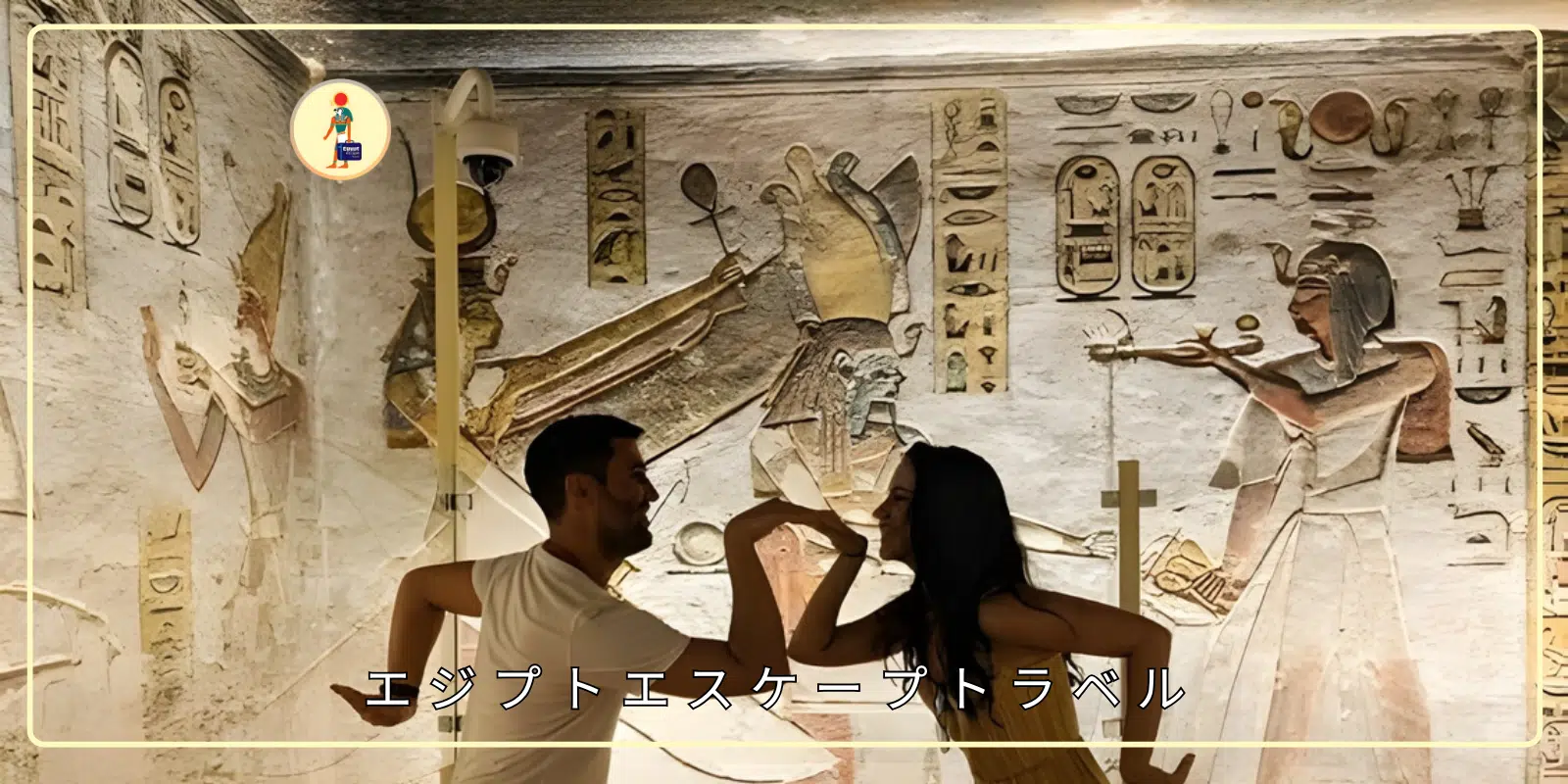
Crossing to the West Bank of Luxorbrings you to the silent canyons of the Valley of the Kings. This is the site chosen by the pharaohs of the New Kingdom in Luxor for their hidden tombs, intended to protect their mummies and treasures from grave robbers. In Luxor, over 60 tombs were discovered, including those of Ramses the Great and the boy-King Tutankhamun. The level of preservation inside these tombs in Luxor is staggering, with vibrant paintings that look as though finished yesterday.
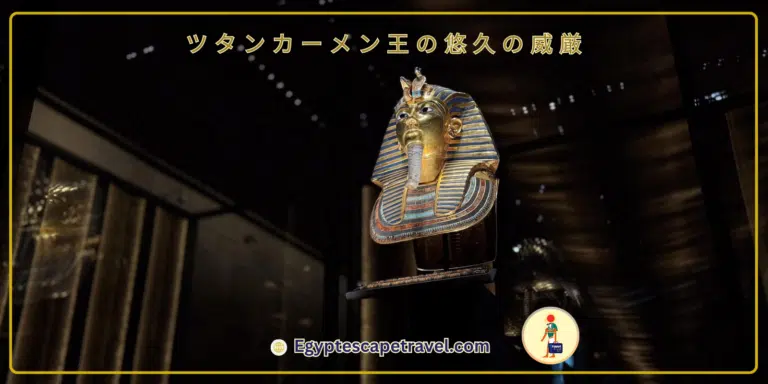
A professional Luxor guide is essential here to help you select the best tombs to visit, as your entry ticket usually allows access to three. Your guide in Luxor will explain the “Book of the Dead” and the journey the soul must take to reach the afterlife—a concept that finds interesting parallels in various Eastern philosophies. In (Luxor), entering the tomb of Tutankhamun is a bucket-list moment, offering a rare look at the actual mummy of the pharaoh who captivated the world’s imagination. The heat of the West Bank in Luxor is a reminder of the harsh conditions the ancient workers endured to create these eternal masterpieces.
Luxor Sightseeing Highlight: The Architectural Genius of Queen Hatshepsut
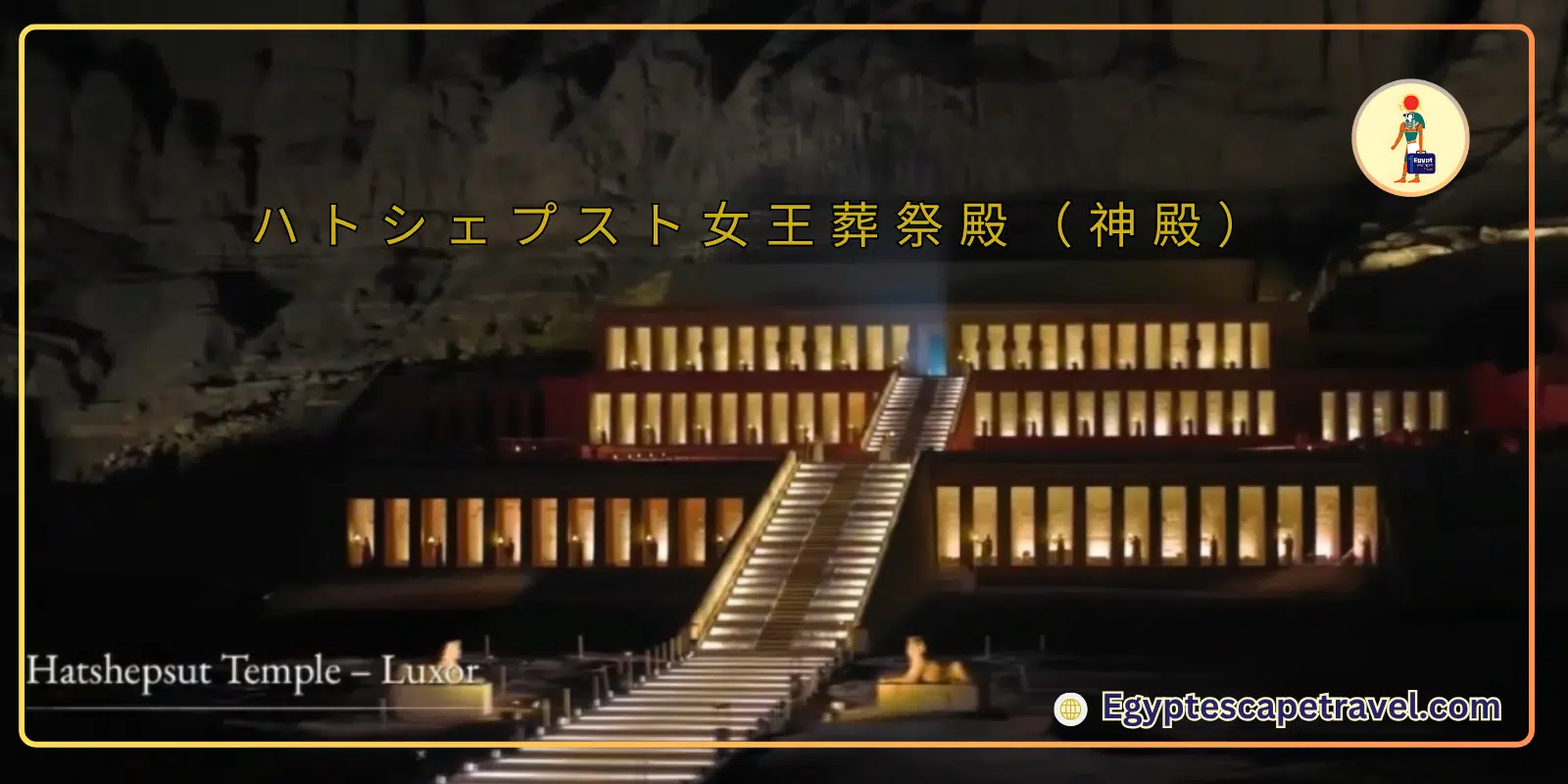
High against the limestone cliffs of Deir el-Bahari in Luxor sits the Mortuary Temple of Queen Hatshepsut. This structure in Luxor is unique in all of Egypt for its modern, terraced design, which blends seamlessly into the natural environment. Hatshepsut was one of Egypt’s most successful pharaohs, and her temple tells the story of her divine birth and her famous trade expedition to the Land of Punt.
During your Luxor excursion, you will learn how Hatshepsut asserted her power in a male-dominated society, often depicting herself with a pharaoh’s beard to command respect. The symmetry of the columns in Luxor and the grandeur of the ramps are a favourite for Japanese photographers. In Luxor, the temple of Hatshepsut serves as a reminder that the history of Egypt is not just about war, but about commerce, art, and the strength of the human spirit. The white limestone of Luxor shines brilliantly against the rugged backdrop of the Theban hills.
Luxor Sightseeing Highlight: Standing Before the Colossi of Memnon
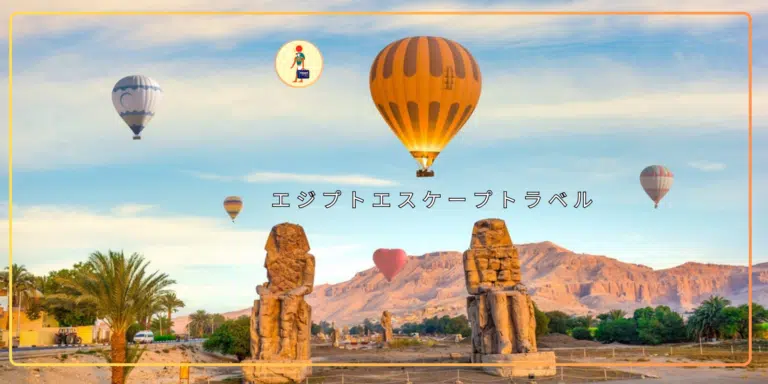
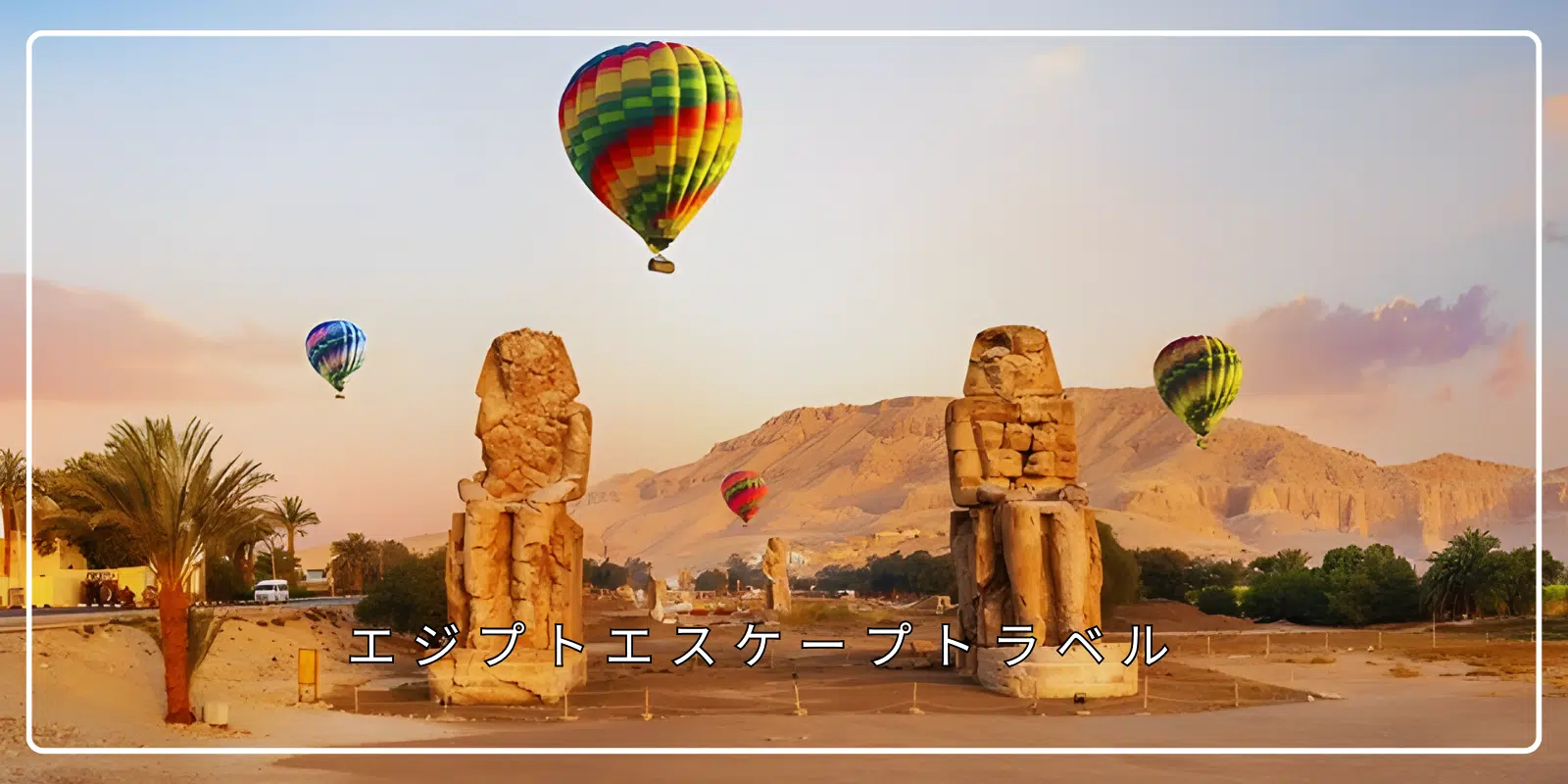
Before leaving the West Bank of Luxor, every traveller stops to greet the Colossi of Memnon. These two massive stone statues in Luxor, representing Pharaoh Amenhotep III, have stood guard over the Theban necropolis for over 3,400 years. Although the temple they once guarded in Luxor has largely disappeared, the statues remain iconic symbols of the city’s enduring legacy.
Your tour guide will share the legend of the “Singing Statue,” a phenomenon where one of the colossi in Luxor would emit a whistling sound at dawn due to wind passing through cracks in the stone. While the sound ceased after ancient repairs, the mystery remains part of Luxor lore. These statues in Luxor provide a perfect final photo stop, capturing the scale and the “negative space” of the desert landscape that Japanese art often highlights. Standing at their feet in (Luxor), one feels truly small compared to the ambitions of the ancient kings.
Luxor Sightseeing Safety and Punctuality for Travelers
At Egypt Escape Travel, we know that safety is the top priority for Japanese tourists visiting Luxor. Your tour should be a source of joy, not stress. This is why we provide private, vetted transportation in modern vehicles. Navigating the streets of Luxor can be hectic, but with a professional driver and a Japanese-speaking assistant, you can avoid the noise and focus on the monuments.
We respect the Japanese value of punctuality in (Luxor). Your itinerary is planned to the minute, ensuring that you avoid the peak midday heat and the largest crowds at the major sites in Luxor. Whether you are arriving in Luxor by air from Cairo or via a luxury Nile cruise, our team handles the “last mile” logistics—from airport meet-and-greets to managing your site tickets. This high-quality service in Luxor is what makes us a leader in Egyptian tourism for the Japanese market. We believe that your time in Luxor is precious, and every second should be spent in wonder, not in queues.
Luxor Sightseeing Tips: The Best Time to Visit
Timing is essential for a successful visit to (Luxor). The Egyptian summer can be intense, so we highly recommend visiting between October and April. During this “cool season,” the desert air in Luxoris crisp and perfect for walking through large temple complexes. Even during the winter, the sun in is bright, so we always advise our guests to carry sun protection and stay hydrated as they explore.
For those who enjoy a bit of adventure, a sunrise hot air balloon ride over Luxoris a spectacular option. Floating silently over the Valley of the Kings as the sun hits the Nile is a memory that will stay with you forever. Luxor from above reveals the stark green line of the Nile valley meeting the harsh yellow of the desert—a visual representation of the ancient Egyptian concept of Ma’at, or balance. A visit to Luxor during the shoulder season can also offer a more private experience of the monuments.
High-Quality Dining
Food safety and hygiene are paramount for our Japanese guests in (Luxor). During your Luxortour, we carefully select restaurants that meet international standards while offering authentic Egyptian flavors. From fresh hibiscus tea to traditional grilled meats, the culinary scene in Luxoris a delight. We ensure that our travelers can enjoy local “Omotenashi” in Luxorwithout any concerns about health.
Respecting local customs is also a part of a professional Luxorexperience. Your guide will advise you on modest dress codes for religious sites in Luxorand the proper etiquette for tipping, or “Baksheesh.” In (Luxor), a small gesture of respect goes a long way in building a bridge between cultures. By following these local norms in (Luxor), Japanese travelers often find that they are welcomed with open arms and genuine smiles by the local residents. The hospitality of Luxoris as warm as the sun that shines upon its temples.
Luxor Sightseeing with a Professional Tour Agency
You may wonder if you can explore Luxor on your own. While it is possible, it is not recommended for those who want a high-quality, stress-free experience. A professional tour provides a “security bubble” and an intellectual framework that you simply cannot get from a guidebook. In (Luxor), regulations regarding photography and site access change frequently; a professional agency stays updated on these rules to ensure you are never disappointed.
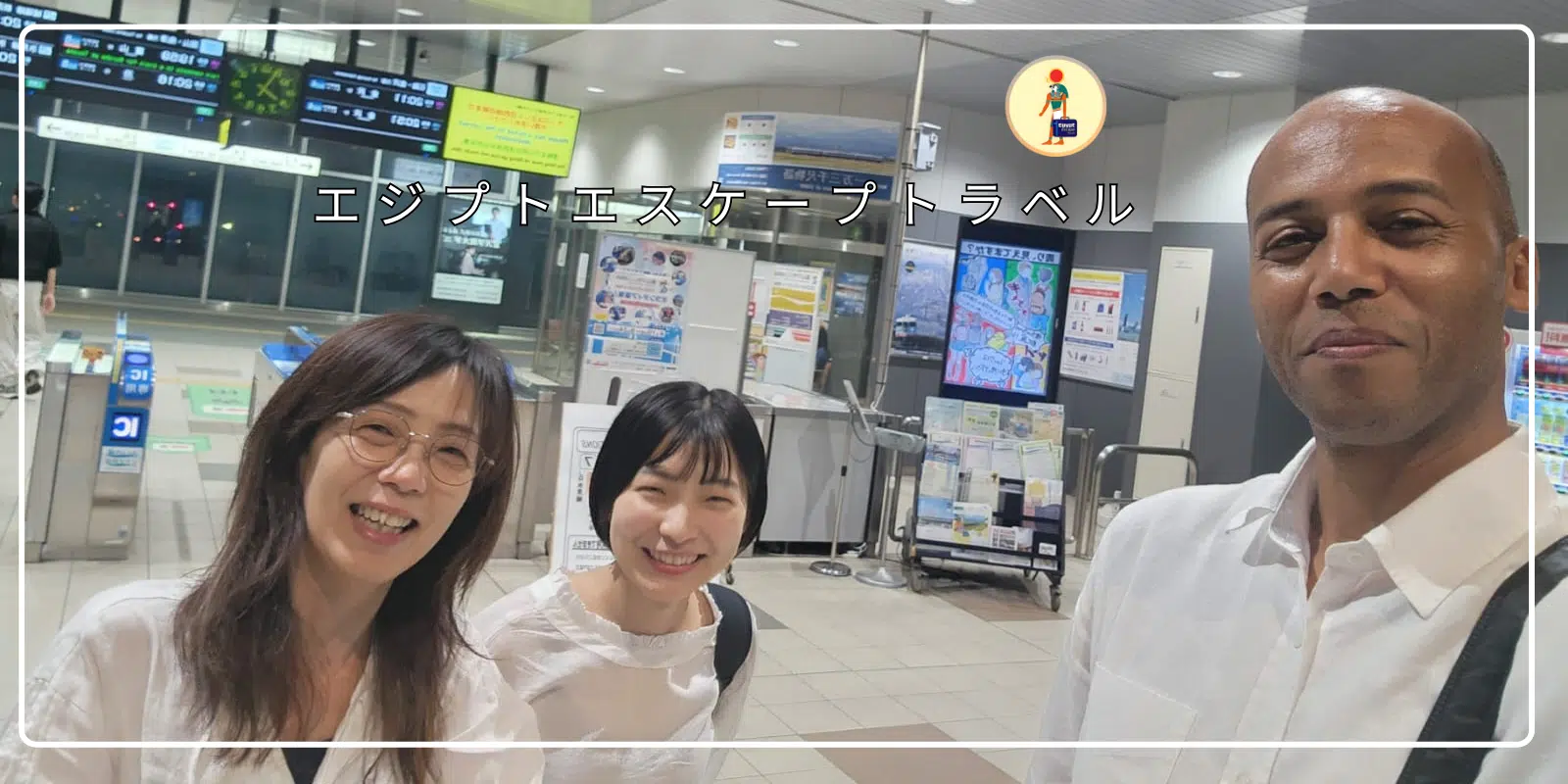
At Egypt Escape Travel, our mission is to provide the best experience for the Japanese market. We provide Japanese-speaking staff who meet you at the airport, assist with visa procedures, and stay with you until you depart. This end-to-end service is why we are the preferred choice for those seeking a premium adventure. We handle the logistics in so that you can handle the wonder. Every aspect of your stay is managed with the meticulous care that our Japanese clients expect and deserve.
Photography and Souvenir Tips
For the photography enthusiast, it is a paradise. The golden hour at Karnak and the nighttime lights of Luxor Temple provide endless opportunities for stunning images. Your guide in will help you find the best “secret” spots for photos away from the main tourist paths. When it comes to souvenirs in (Luxor), we recommend looking for high-quality alabaster, which is hand-carved in villages using ancient techniques.
Shopping in can be an adventure in itself. Your guide will help you navigate the local markets in Luxor to ensure you are paying a fair price for authentic goods. Whether it’s Egyptian cotton or intricate jewellery, a souvenir is a tangible piece of history that you can bring back to Japan. We advise our guests to look for the “Made in Egypt” seal when shopping to ensure they are supporting local artisans.
Logistics: Getting to the city
Reaching Luxor is easier than ever for international travellers. Most guests take a short, one-hour flight from Cairo to Luxor Airport. We provide meet-and-greet services at the airport, ensuring that your transition to your hotel is seamless. If you prefer the scenic route, the luxury sleeper train from Cairo to Luxor is another popular option that offers a unique look at the countryside.
Once in (Luxor), our private vehicles are at your disposal. We avoid public transport to ensure your safety and comfort. This dedicated service is a hallmark of a professional tour. We understand that after a long flight from Japan, you want to be taken care of with the highest level of professionalism. Our logistics network in Luxor is designed to prevent any disruptions to your sightseeing schedule.
Book Your Dream Adventure Today
The wonders are waiting for you. From the towering columns of Karnak to the hidden depths of the Valley of the Kings, every moment in this city is an adventure. Don’t leave your vacation to chance; book a professional tour with Egypt Escape Travel and experience the best that Egypt has to offer.
We are ready to welcome you with the hospitality and expertise that have made us a leader in the industry. Contact us today to start planning your bespoke Luxor itinerary. Whether you are travelling for a honeymoon, a family vacation, or a solo discovery, we have the perfect Luxor sightseeing plan for you. The pharaohs are calling—will you answer?