For many Japanese tourists (日本人旅行者), the first image of Egypt is the chaos of Cairo or the sheer scale of the Giza Pyramids. However, those seeking a deeper, more peaceful connection with the “Gift of the Nile” find their heart’s home in Aswan. Known in antiquity as Swenett or Syene, Aswan served as ancient Egypt’s southern frontier and the gateway to the mysterious land of Nubia.
The purpose of this comprehensive guide is to take you beyond the standard tour bus stops and immerse you in the geopolitical, economic, and spiritual significance of Aswan. Whether you are drawn by the precision of ancient granite quarrying, the engineering marvels of the modern dams, or the vibrant colours of Nubian villages, this article will show you why Aswan is the indispensable “Heart of Nubia” that promises a travel experience of unmatched value.

1.0. Aswan’s Ancient Origins: The Gateway of Trade and Granite.
The name Aswan is deeply tied to the ancient Egyptian concept of “the market,” reflecting its traditional role as a primary trade hub between Egypt and southern Africa. In the ancient Egyptian era, this city was the final frontier, a place where the Nile’s smooth flow was interrupted by the First Cataract, creating a natural border and a strategic military garrison.
-
The Geopolitical Power of the South
Nestled south of the First Cataract on the Nile’s east bank, Aswan was crucial both geopolitically and economically. It was here that the pharaohs levied tolls on Nile traffic and garrisoned troops to protect Egypt’s southern interests. For thousands of years, Aswan remained a nexus for caravans travelling from the heart of Africa, carrying gold, ivory, spices, and exotic animals into the Mediterranean world.
-
The Source of Eternal Stone: Pink Granite
Perhaps the most enduring legacy of Aswan is its geology. The region’s famed granite quarries—the source of valuable pink and black granite—supplied the raw materials for Egypt’s most grand monuments. When you stand before an obelisk in Luxor or a colossal statue in Memphis, you are looking at the soul of the Aswan stone.
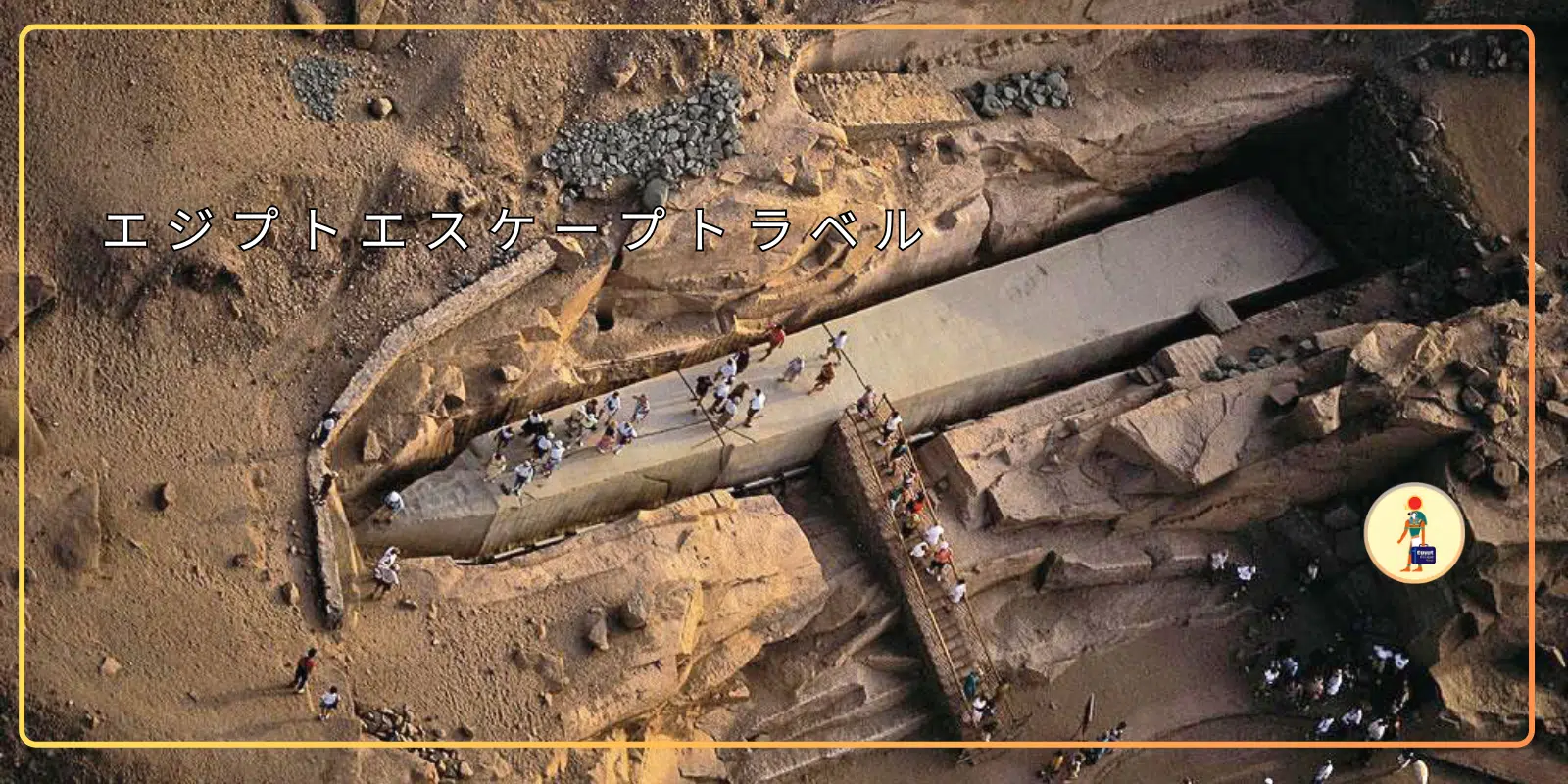
2.0. Aswan’s Unfinished Obelisk: A Lesson in Ancient Engineering.
One of the most fascinating sites for Japanese travellers who appreciate craftsmanship and technical precision is the Northern Quarry. Here lies the Unfinished Obelisk, an incomplete 3,000-year-old monolith carved directly from the bedrock.
-
The Giants of the Quarry:
Had it been finished, this obelisk would have stood 42 meters high and weighed nearly 1,200 tons. It offers a rare, “frozen-in-time” look at ancient quarrying techniques. Visitors can see the marks of the dolerite tools used to pound the stone into shape.
- Weight, size and Dimensions:
If completed, the Unfinished Obelisk would have measured around 42 meters (137 feet) in height, making it the tallest obelisk ever attempted by the ancient Egyptians.The obelisk is estimated to weigh approximately 1,200 tons (2.6 million pounds), which would have made it the heaviest obelisk in ancient Egypt and the world.
- Commission:
The Unfinished Obelisk was likely commissioned by Queen Hatshepsut, one of Egypt’s most prominent female pharaohs, who ruled during the 18th Dynasty (478–1458 B.C.). She intended to place it in the Karnak Temple in Luxor, where it would stand as a monumental tribute to the gods and her reign.
-
Why does it remain unfinished?
A crack developed in the granite during the carving process, forcing the ancient engineers to abandon the project. This “failure” is a gift to modern history, as it reveals exactly how the ancients managed to extract such massive stones without modern machinery—a feat of engineering that continues to invoke curiosity among visitors today.
- Abandonment because of cracks:
During the carving process, workers discovered multiple cracks in the granite, leading to the project’s abandonment. The obelisk remains partially attached to the bedrock, providing insight into ancient stone-working techniques.
- Stone-working Evidence:
The obelisk retains visible tool marks and ochre lines, offering a rare glimpse into the methods and materials used by ancient Egyptian workers. Dolerite stones, harder than granite, were likely used as hammers to chip away the rock.
- Mythological Significance:
Obelisks, such as the Unfinished Obelisk, symbolised the connection between the earth and the divine. They were associated with the Benben stone, a symbol of creation in ancient Egyptian mythology, and were designed to catch the first rays of the sun, symbolising the power of the sun god Ra.
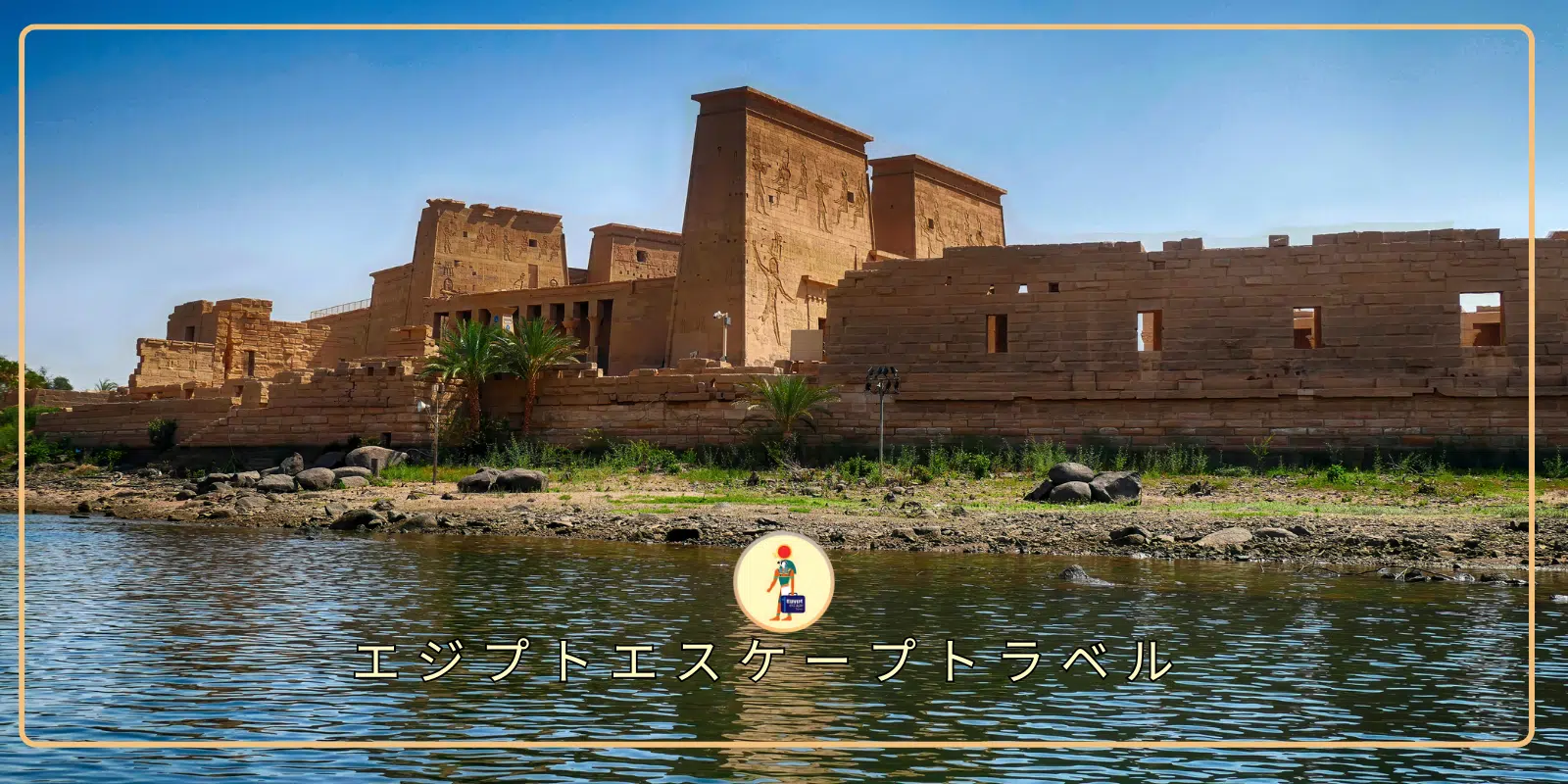
3.0.Aswan’s Spiritual Heart: The Relocated Beauty of Philae Temple.
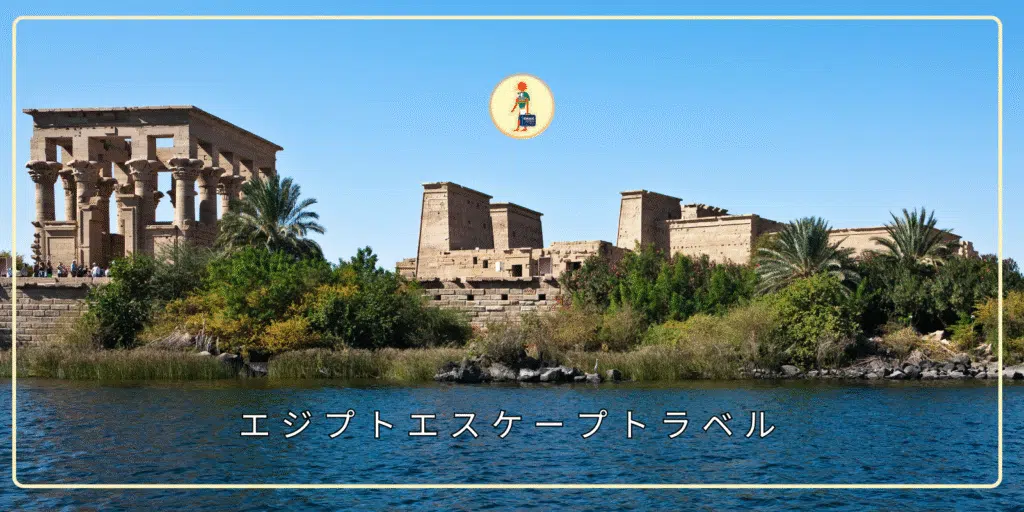
Dedicated to the goddess Isis, Japanese tourists often cited the Philae Temple Complex as the most beautiful temple in all of Egypt. Its history is a living tapestry of religious evolution, thriving under Ptolemaic and Roman patronage before becoming an early Christian site.
-
The UNESCO Rescue Mission
The original site of the temple was partially submerged after the construction of the Low Dam. In a monumental international effort during the 1960s, UNESCO dismantled the entire complex and relocated it to Agilkia Island to save it from the rising waters of the High Dam.
-
A Multicultural Mix
Philae represents the intersection of cultures in Aswan. On its walls, you can find:
- Pharaonic Hieroglyphs: Honouring the goddess Isis and the cycle of life.
- Greek and Roman Inscriptions: Evidence of the temple’s long-standing importance in the Mediterranean.
- Coptic Crosses: Carved by early Christians who used the temple as a place of worship after the 4th century AD.

4.0.Aswan’s Modern Engineering: The Dams that Shaped a Nation
To understand modern Egypt, one must understand the Aswan High Dam. Completed between 1960 and 1970, this mega-project dramatically transformed the region’s landscape and economy.
The Benefits of Progress
The High Dam was designed to:
- Regulate Nile Flooding: Protecting the Nile valley from the devastating floods and droughts that have occurred for millennia.
- Generate Hydroelectricity: Providing the power needed for Egypt’s industrialization.
- Create Lake Nasser: It’s one of the largest man-made lakes in the world, ensuring a steady water supply for agriculture.
The Human and Cultural Cost
However, these benefits came at a high cost. The creation of Lake Nasser required the relocation of ancient Nubian communities and prompted a global effort to save monuments like Philae and Abu Simbel from being lost forever beneath the water. For many Japanese travellers, visiting the High Dam is a moment to reflect on the balance between modern necessity and historical preservation.
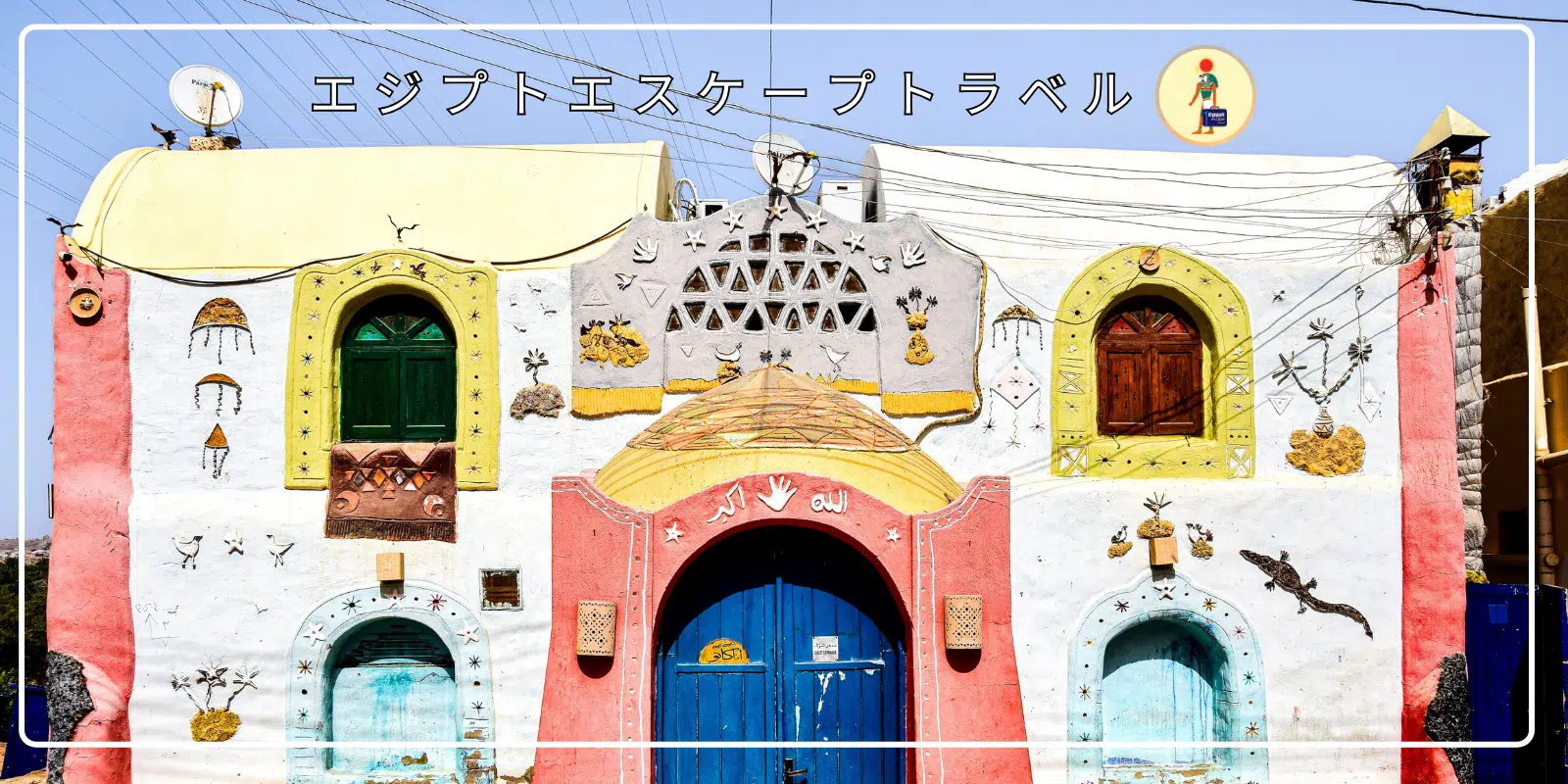
5. Aswan’s Nubian Heritage: A Vibrant Living Culture
Unlike the busy streets of Cairo, the pace of life in Aswan is dictated by the slow drift of feluccas (traditional sailboats). This is the heartland of the Nubian people, who have their own distinct language, music, and traditions.
-
The Nubian Museum:
A visit to the Nubian Museum is essential for understanding this regional identity. The museum showcases artefacts ranging from prehistoric times to the modern era, detailing the history of the “Land of Gold”. Because Aswan is part of UNESCO’s Creative Cities Network for crafts and folk art, the museum is a testament to a living, breathing culture rather than just the distant past.
-
Colourful Villages and Crafts:
Across the Nile from the city centre lie the colourful Nubian villages. With their brightly painted geometric patterns and hospitable residents, these villages offer a glimpse into a lifestyle that values community and artistic expression. Annual events like the Nubian Festival and the Aswan International Sculpture Symposium continue to attract artists from around the world.
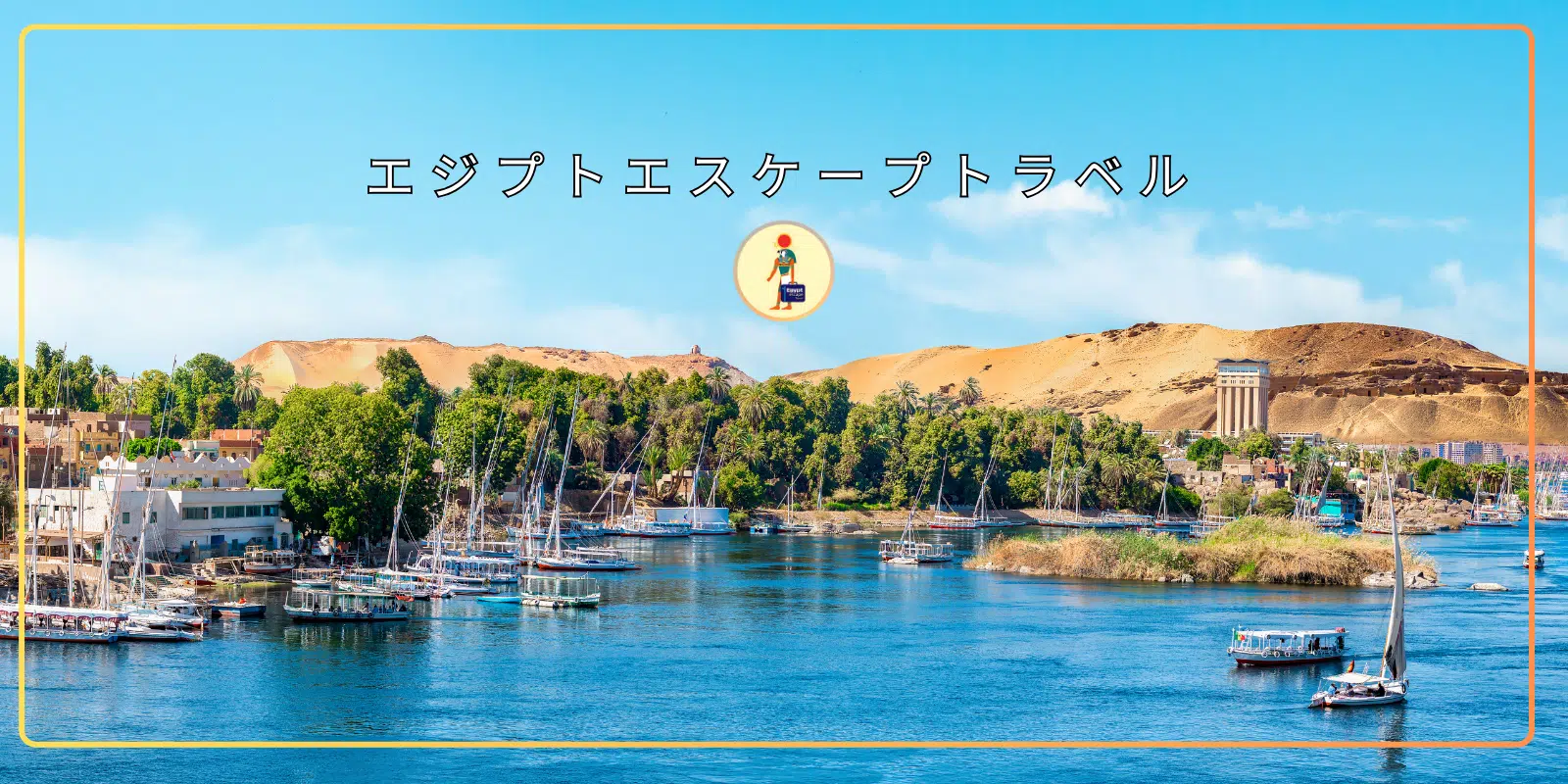
6. Aswan’s Top Attractions: A Travel Itinerary for Japanese Guests
When planning your Aswan visit, ensure these landmarks are on your list to experience the full legacy of the city:
- Elephantine Island: the site of ancient temples and the fascinating Tombs of the Nobles carved into the hillside.
- Philae Temple: Experience the “Pearl of Egypt” at sunset for a truly spiritual atmosphere.
- The Unfinished Obelisk: a must-see for those interested in ancient technology and quarrying.
- The High Dam: an engineering marvel that offers sweeping views of Lake Nasser.
- Kitchener’s Island (Botanical Garden): A peaceful escape filled with exotic plants from around the world.
- The Old Cataract Hotel: famous as the site where Agatha Christie wrote Death on the Nile, it remains a symbol of colonial-era elegance.
7. Aswan: The Timeless Conclusion to Your Egypt Journey
From its beginnings as an ancient military frontier to its modern status as a centre of tourism and industry, Aswan represents a living tapestry of history. It is a city where the past is not just buried in the sand but preserved in the granite of its quarries and the hearts of its people.
For the Japanese tourist, Aswan offers a unique combination of quietude, craftsmanship, and profound historical depth. It is the key destination for anyone wishing not only to see Egypt’s past but to experience its living soul.
Are you ready to discover the “Heart of Nubia”? Start planning your Aswan adventure today and witness the sun setting over the First Cataract—a view that has remained unchanged for thousands of years.