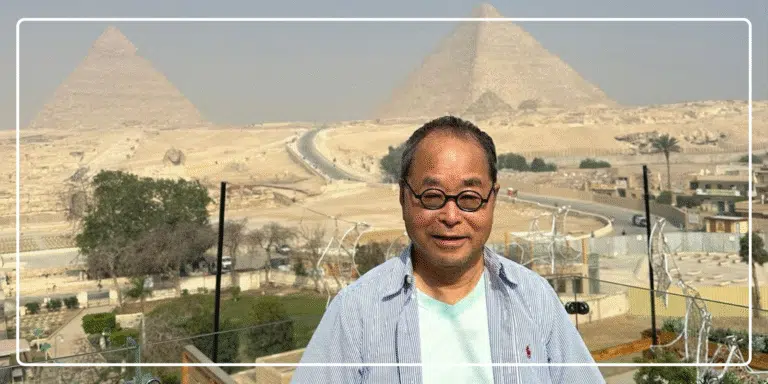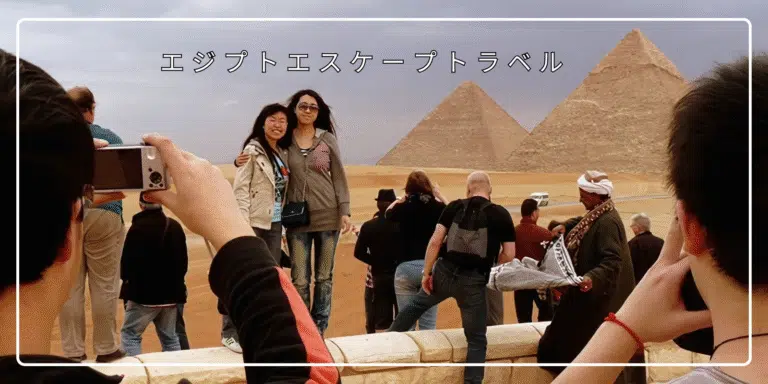
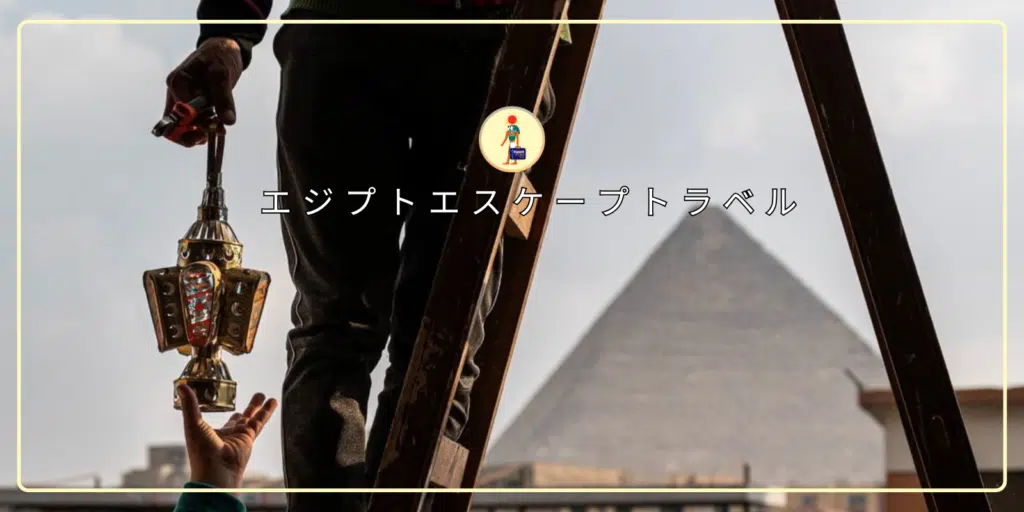
For the discerning Japanese traveller, a journey to Egypt is often seen as a spiritual pilgrimage to the cradle of civilization. However, there is a pervasive myth in the travel world that visiting Egypt in Ramadan is a logistical nightmare. “Everything is closed,” they say. “You won’t find food,” they warn. In reality, these rumours are entirely false. For a traveller who values Omotenashi \hospitality and cultural depth, Ramadan 2026 represents a “Golden Window.” It is a time when the rhythmic beat of the Mesaharati drum echoes through the streets, luxury hotels drop their rates, and the crowds at the Giza Pyramids vanish.
In Japanese culture, we deeply value the transition of seasons and the spiritual discipline found in traditions like Oshogatsu. Similarly, Ramadan in Egypt is a month of reflection, community, and celebration. From the stunning lanterns that mirror the beauty of Japanese Chochin to the communal tables of mercy, visiting Egypt in Ramadan provides a connection to the local spirit that is impossible to replicate during any other season.
Ramadan: Dates and Fast Facts for 2026
Before planning your itinerary, it is essential to understand the lunar calendar. Ramadan is the ninth month of the Islamic calendar, shifting 10–12 days earlier each year.
| Feature | Details for Ramadan 2026 |
| Expected Dates | February 18 (Evening)–March 19, 2026 |
| Daily Timing | Iftar (Sunset) ~5:45 PM |
| Weather | Optimal spring (20°C–24°C in Cairo) |
| Crowd Levels | Very Low (Mornings are empty at major sites) |
| Travel Benefit | Visiting Egypt in Ramadan can save you up to 30% on hotels |
Ramadan: Tourist Attraction Modified Hours
One of the biggest concerns for those visiting Egypt in Ramadan is whether the monuments will be open. Egypt’s Ministry of Tourism ensures that the country’s treasures remain accessible, though hours are slightly adjusted to allow staff to return home for Iftar (the breaking of the fast).
- Giza Pyramids: 8:00 AM – 4:30 PM (Closes 1 hour early).
- Grand Egyptian Museum: 8:30 AM – 4:00 PM.
- Luxor & Karnak Temples: 6:00 AM – 5:00 PM (Generally no change).
- Citadel of Saladin: 8:00 AM – 4:00 PM.
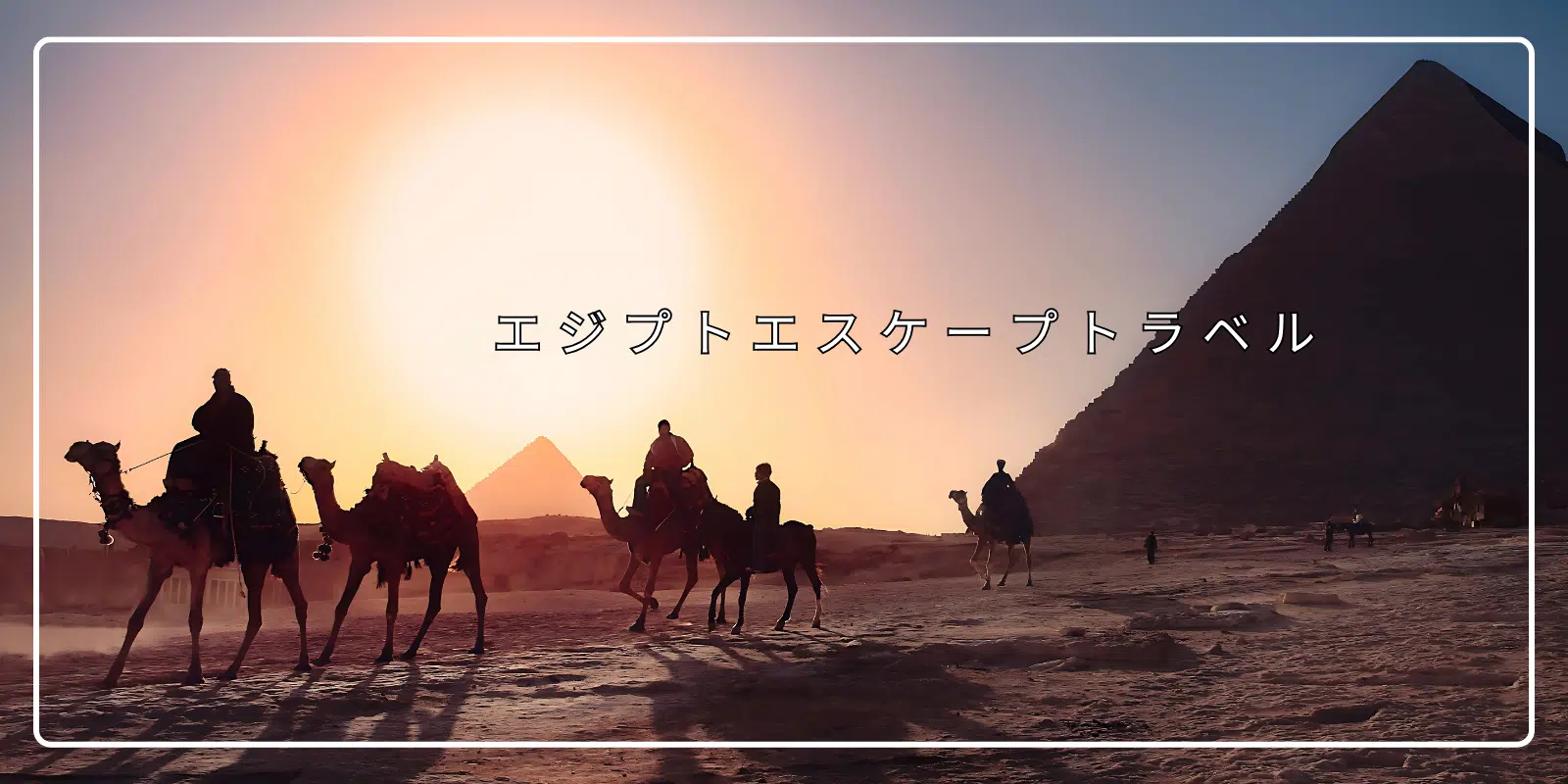
When visiting Egypt in Ramadan, the “Golden Hours” for sightseeing are between 8:00 AM and 12:00 PM. During this time, the streets are quiet as locals conserve energy, allowing you to photograph the Sphinx or the Valley of the Kings without the usual bustle of crowds.
Ramadan: The Economic Advantage of Low Season Pricing
For the cost-conscious traveller, Ramadan is a secret treasure. Because many Western tourists avoid this month due to misconceptions about fasting, luxury infrastructure becomes significantly more affordable.
- Accommodation: Rates at five-star hotels in Cairo and Luxor often drop by 20-30%.
- Tours: Packages such as a 10-day budget travel package are frequently discounted.
- Shopping: At markets like Khan El Khalili, fewer international buyers mean you have better negotiation power for high-quality alabaster or papyrus.
Visiting Egypt in Ramadan allows you to enjoy a premium experience on a standard budget.
Ramadan: Navigating the Daily Rhythm and Transportation
Understanding the daily “flow” is vital for anyone visiting Egypt during Ramadan. The day is split into three distinct phases:
- The Quiet Morning: From sunrise to noon, the city sleeps. This is the best time for heavy sightseeing.
- The Afternoon Slump: From 1:00 PM to 5:00 PM, shops may close early. This is the perfect time for a Japanese traveller to enjoy a quiet tea or relax by the hotel pool.
- The Explosive Evening: After the sunset cannon fires, the city “wakes up.” This is when the true magic of Ramadan begins.
Transportation Status:
- Cairo Metro: Hours are extended until 1:00 AM.
- Uber & Taxis: Widely available, but avoid booking between 5:30 PM and 7:00 PM, as traffic becomes chaotic with everyone rushing to Iftar.
- Nile Cruises: Boats between Luxor and Aswan operate standard schedules, often adding special Ramadan menus.
Ramadan: Exclusive Cultural Experiences for Tourists
Visiting Egypt in Ramadan unlocks doors that are usually closed to the public. You aren’t just a spectator; you are invited into a month-long festival.
- The Ma’edat al-Rahman (Tables of Mercy)
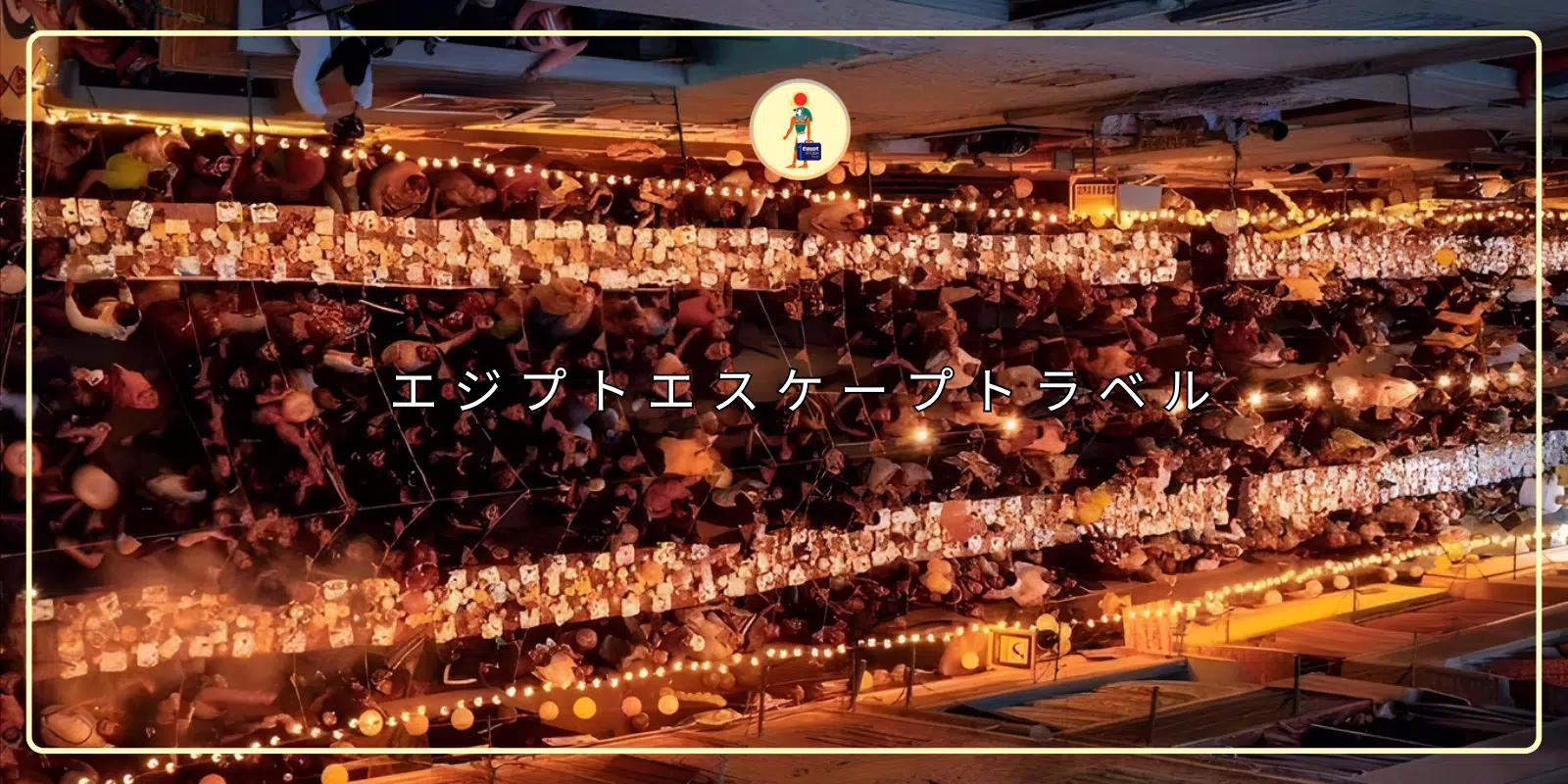
Walk down any street in Cairo, and you will see long tables laden with food. These are charity banquets where anyone—regardless of wealth—is welcome to sit and eat. This spirit of generosity mirrors the Japanese value of Kizuna (community bonds).
- The Iftar Cannon
In many cities, a cannon is fired to signal the end of the fast. Standing near the Citadel in Cairo as the boom echoes across the city, followed by the simultaneous call to prayer from a thousand minarets, is a surreal and beautiful experience for anyone visiting Egypt during Ramadan.
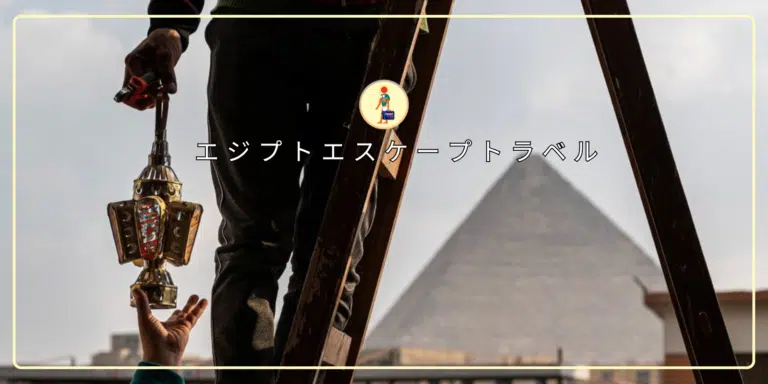
- The Fanous Lanterns
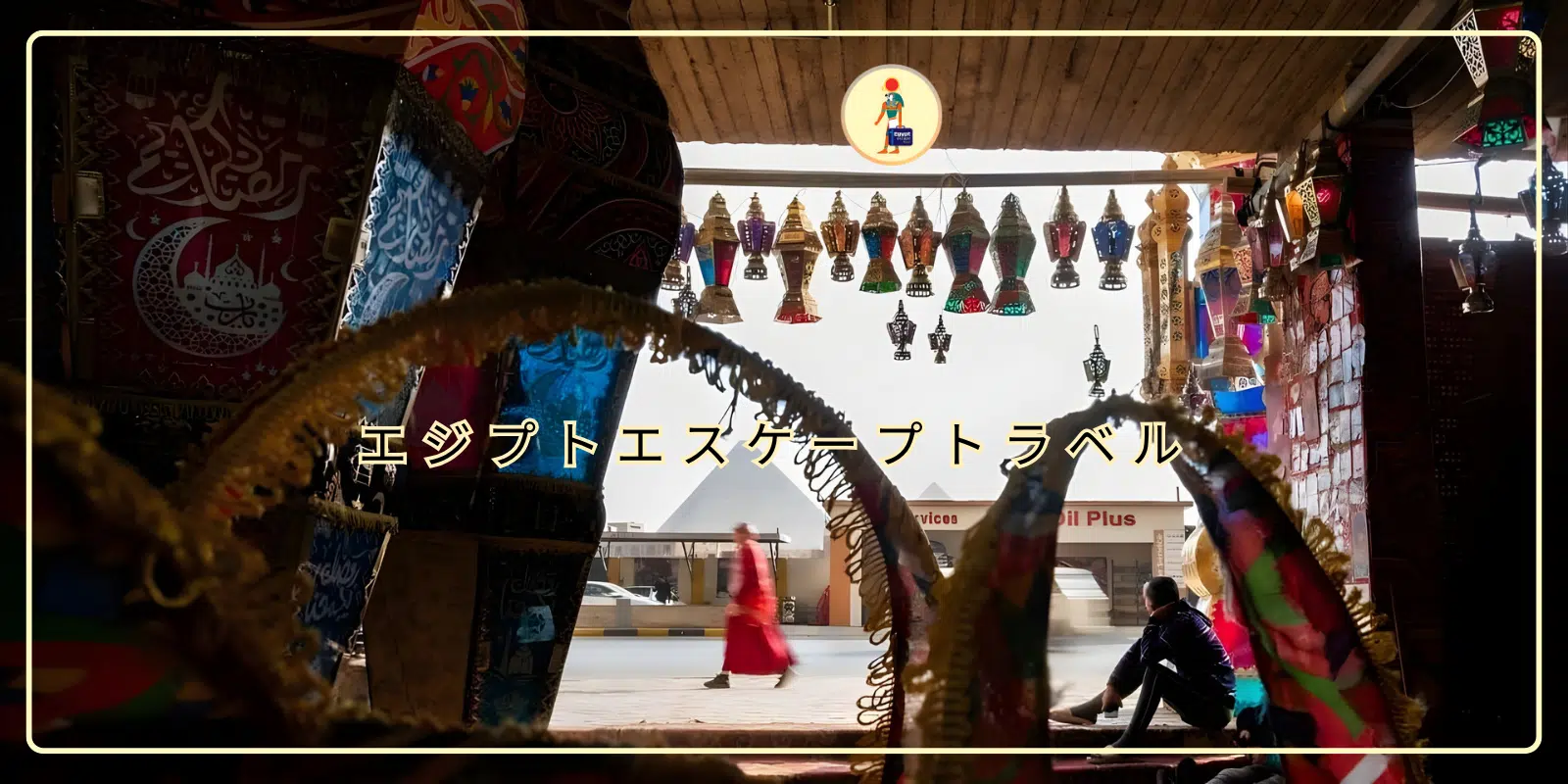
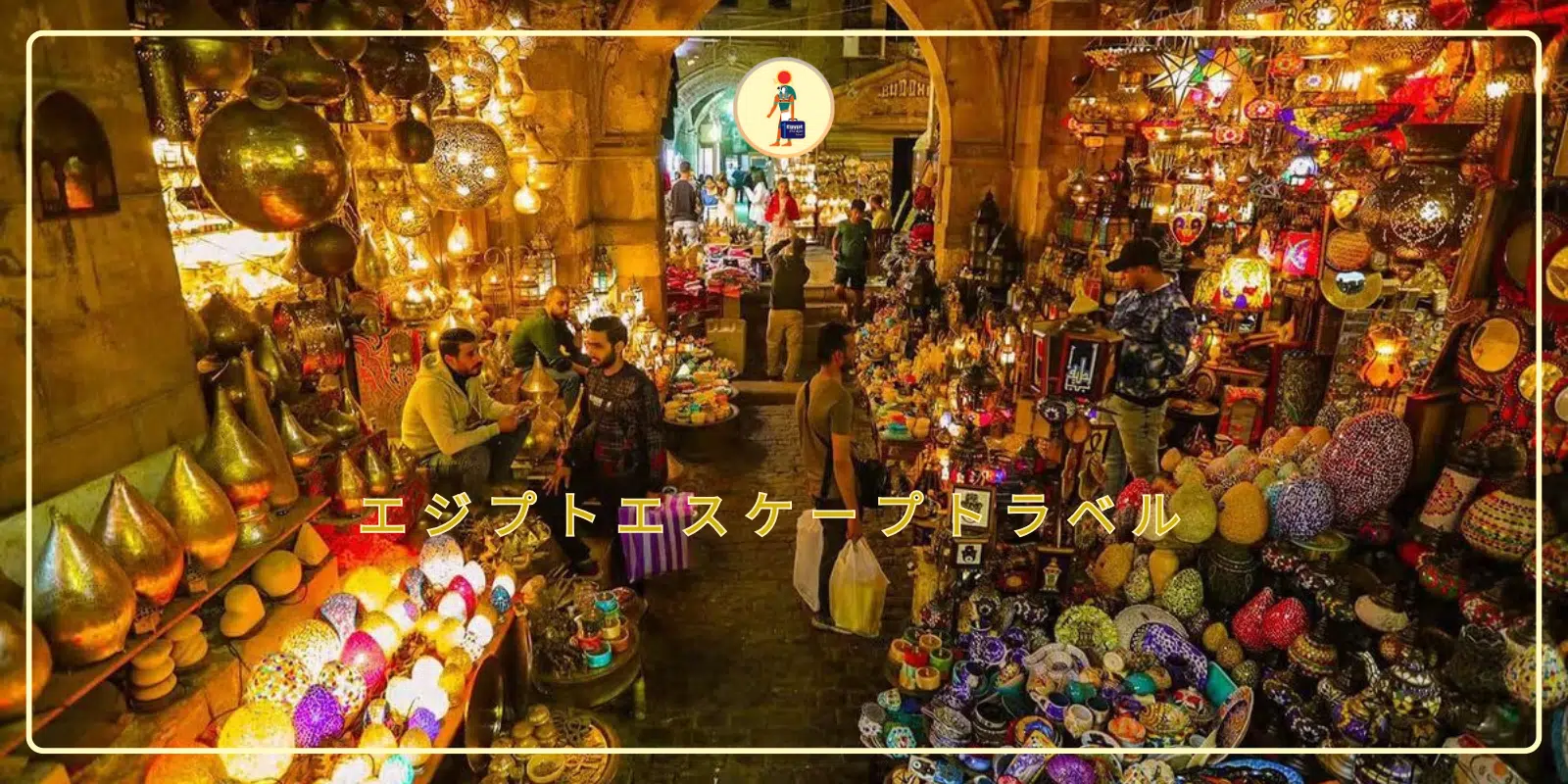
Similar to the Japanese Chochin used in summer festivals, the Fanous (traditional lantern) is the symbol of Ramadan. These metal and glass masterpieces decorate every window and street corner, creating a photogenic atmosphere that is truly breathtaking.
Ramadan: Culinary Delights You Must Try
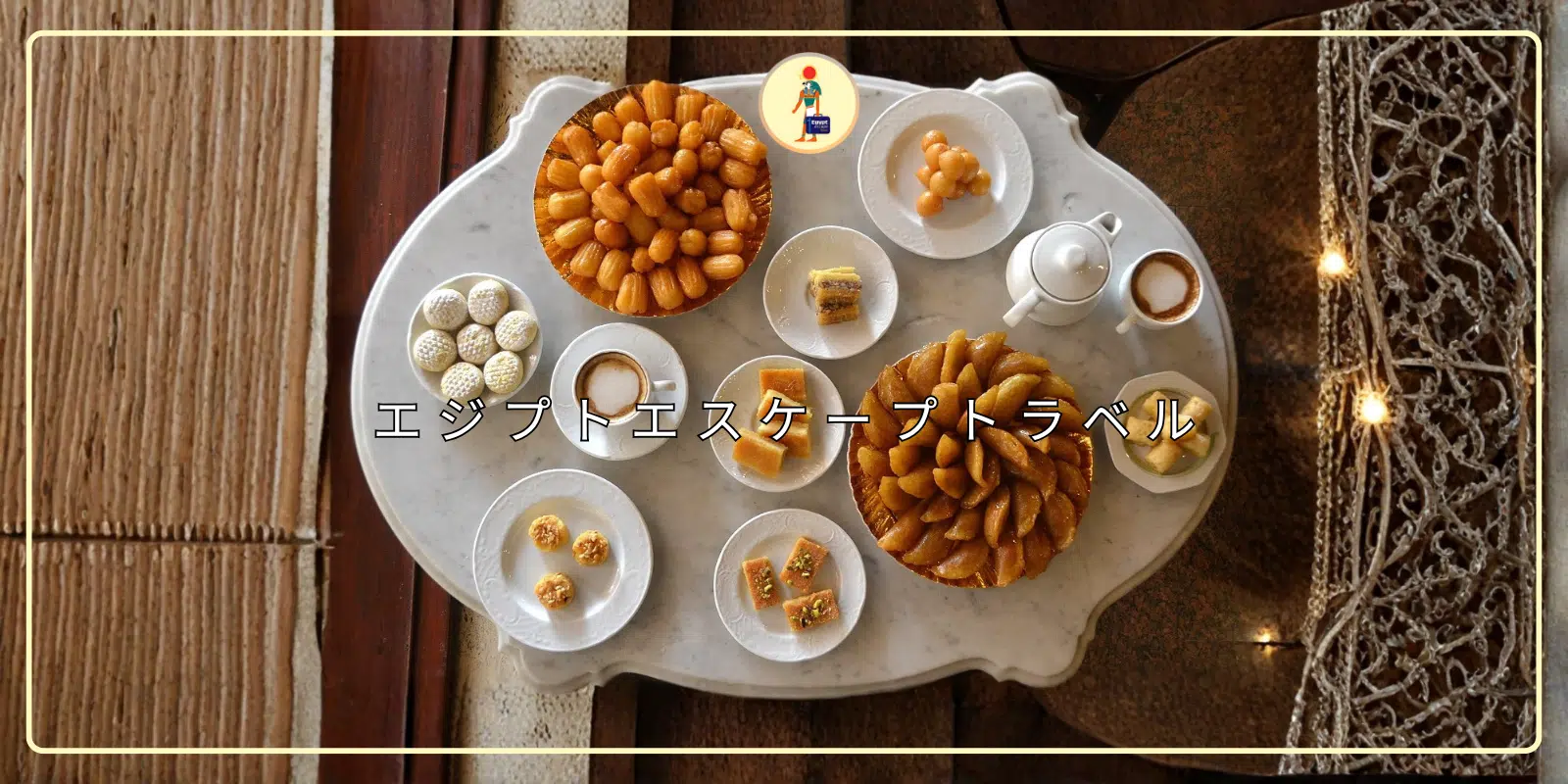
If you have a sweet tooth, there is no better time for visiting Egypt in Ramadan. Egyptian sweets are legendary, and during this month, specific treats are prepared that are rarely found at other times of the year.
- Kunafa: A crispy, shredded pastry often filled with cream or cheese and soaked in syrup.
- Qatayef: Small, sweet pancakes stuffed with nuts or cream and fried.
- Yameesh: A mixture of dried fruits and nuts (dates, apricots, figs) served at the start of Iftar.
Most hotels and Nile cruises offer lavish buffets during Ramadan, ensuring that international guests can sample these traditional delicacies without having to search for open local cafes.
Ramadan: Cultural Comparisons: Egypt and Japan
While they may seem worlds apart, Ramadan and Japanese traditions share striking similarities that will make a Japanese visitor feel at home.
| Feature | Ramadan in Egypt | Japanese Tradition |
| Light | Fanous Lanterns | Chochin / Toro Lanterns |
| The Alarm | Mesaharati (Drummer) | Yomawari (Night Watch) |
| Seasonal Gifting | Edeia (Money for kids) | Otoshidama (New Year’s money) |
| Spiritual Fasting | Fasting for discipline | Buddhist Precepts / Mindfulness |
When visiting Egypt in Ramadan, you will see that the focus on family and the exchange of handmade sweets like Kahk (sugar cookies) mirrors the communal process of Mochitsuki (pounding rice cakes) during the Japanese New Year.
Ramadan: Etiquette and Tips for International Guests
Foreigners are not expected to fast while visiting Egypt during Ramadan. However, showing respect for the local culture will earn you immense gratitude and deeper connections.
- Discreet Consumption: While tourist restaurants are open, avoid eating or drinking water prominently on public streets during the day.
- Dress Modestly: As this is a holy month, wearing clothing that covers shoulders and knees is appreciated, particularly when visiting Islamic Cairo or mosques.
- Accept Invitations: If a local family invites you to Iftar, accept it! It is the highest form of hospitality, and the food will be the best you taste in Egypt.
- Disregard “Closed” Scams: Some street scammers may tell you the Pyramids are closed due to Ramadan to redirect you to their shops. Always check official timings; they are almost always open.
Ramadan: Recommended Itinerary Options for 2026
To maximize your time while visiting Egypt during Ramadan, balance your days between rest and exploration.
Option A: The Cairo Explorer
- 8:00 AM: Full Day Tour to Giza Pyramids and Saqqara.
- 1:00 PM: Lunch at a hotel overlooking the Nile.
- 6:00 PM: Experience Iftar at a traditional restaurant in Al-Azhar Park.
- 9:00 PM: Midnight walk through Khan El Khalili to see the lanterns.
Option B: The Nile Luxury Cruise
- Take a Luxor to Aswan Nile cruise. The boats remain fully operational. Visiting Egypt in Ramadan via a cruise is excellent because your meals are served on a standard schedule, allowing you to enjoy the river’s tranquillity.
Option C: The Red Sea Retreat
- If you prefer a standard holiday vibe, Hurghada and Sharm El Sheikh remain 100% normal. Ramadan has very little impact on beach resorts, though you can still enjoy the festive decorations in the evenings.
FAQ: Common Concerns Cleared
- Is it safe to go during this time?
Statistically, Ramadan is one of the safest times for visiting Egypt. Crime rates drop, and the atmosphere is one of peace and charity.
- Will I be able to find alcohol?
While local liquor stores close, licensed hotels, high-end restaurants, and Nile cruises continue to serve alcohol to foreigners (passport verification is required.
- How is the weather in February\ March 2026?
The weather is perfect for Japanese travellers. It is not the scorching heat of summer. Expect cool breezes and pleasant sunshine, similar to spring in Japan.
Final Verdict: Is it Worth It?
If you are a traveller who values the authenticity of “party” culture, then visiting Egypt in Ramadan 2026 is the ultimate choice. You will see a side of the country that most tourists never witness: the deep spiritual devotion, the explosive joy of the night, and the unparalleled generosity of the Egyptian people.
Pack your patience for the sunset traffic, and bring your appetite for the post-sunset feasts. Ramadan is not a barrier to travel; it is a gateway to the heart of Egypt. Let the glow of the Fanous and the spirit of the holy month turn your Egyptian adventure into a lifelong memory.