For the meticulous Japanese traveller, planning an international voyage to North Africa requires a deep commitment to structural order, personal wellness, and absolute time management. In Japan, society places an immense, sacred value on punctuality (Jikoku-hōki), precise scheduling, and the mental clarity needed to respect local hospitality. When preparing for a luxury holiday with Egypt Escape Travel, aligning your biological clock with your daily itinerary is just as critical as selecting the finest 5-star Nile cruise or booking private entry to the newly opened Grand Egyptian Museum.
Understanding the time difference between Egypt and Japan is the foundational step to ensuring your dream vacation unfolds with total peace of mind. For our esteemed guests who expect flawless execution and the highest standards of Omotenashi (heartfelt hospitality), managing jet lag effectively allows you to appreciate the master craftsmanship (Takumi) of the pharaohs from the very first moment you land in Cairo. This comprehensive, expert guide is carefully designed to analyze the temporal gap between these two historic nations, providing clear, practical strategies to help you stay energized, organized, and perfectly synchronized throughout your upcoming 2026-2027 Egyptian expedition.
Time difference between Egypt and Japan: 1. Understanding the 7-Hour Clock Shift
To plan effectively, you must understand the exact mechanics of the time difference between Egypt and Japan. Japan operates on Japan Standard Time (JST), which is UTC+9, while Egypt operates on Eastern European Summer Time (EEST) at UTC+3 during the warm season, moving to Eastern European Time (EET) at UTC+2 when standard time applies. This means that Cairo is exactly seven hours behind Tokyo during the summer months and eight hours behind during the winter months.
For a practical example during the 7-hour shift, when it is 4:00 PM in Tokyo, it is only 9:00 AM in Cairo. This specific chronological gap means that when your day is ending in Japan, your historical exploration in North Africa is just beginning. Understanding this structural gap allows you to organize your international communication with family or business colleagues back home without interrupting anyone’s rest cycle or violating professional boundaries.
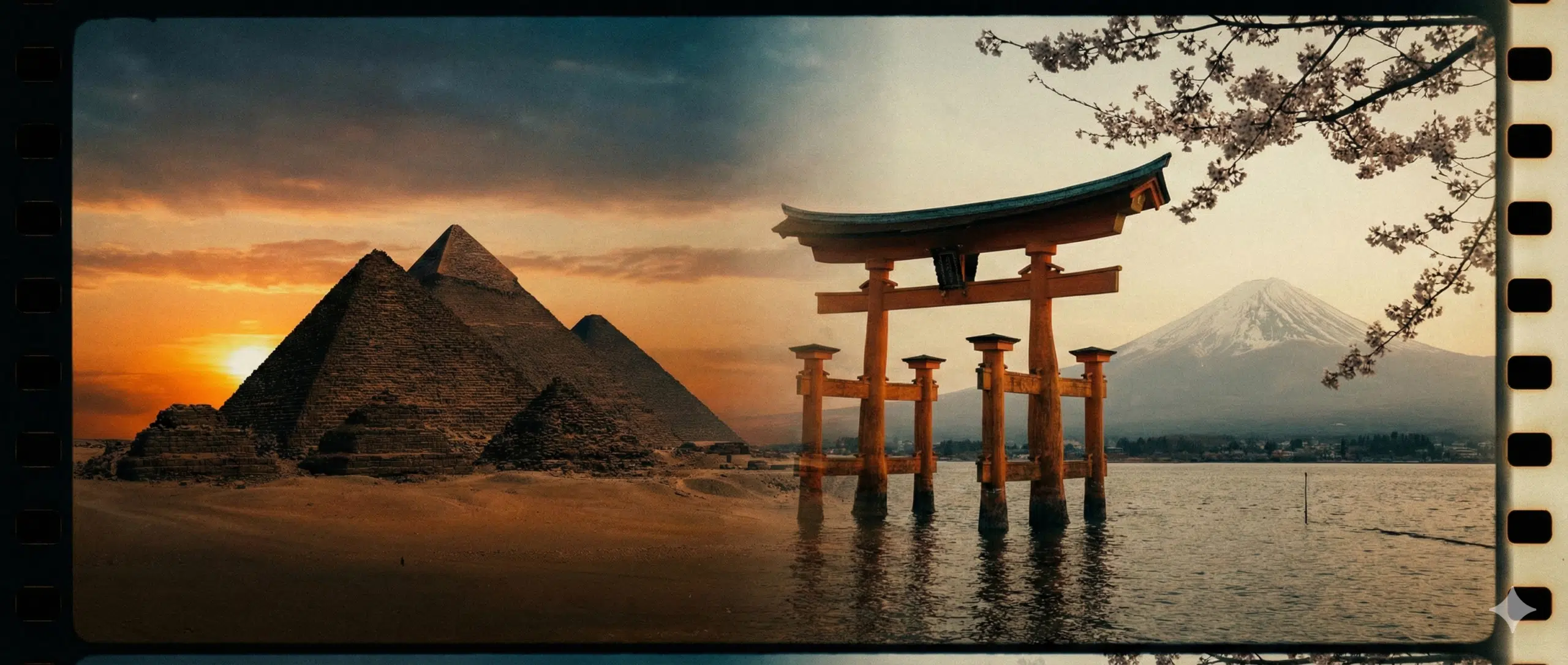
Time difference between Egypt and Japan: : 2. Mastering Your Flight In-Transit Sleep Schedule
Navigating the long-haul flight path across continents requires an intelligent approach to your sleep cycle to minimize the physical impact of the time difference between Egypt and Japan. Most premium itineraries from Tokyo Narita or Haneda to Cairo International Airport involve a short, comfortable transfer through major hubs in the Middle East, resulting in a total travel time of roughly 14 to 17 hours.
To adapt seamlessly, professional travel coordinators recommend adjusting your watch to Cairo time the moment you board your initial flight. If your flight departs from Tokyo in the evening, try to stay awake for the first few hours of the journey, then utilize premium noise-cancelling headphones, eye masks, and the comfort of business-class seating to rest during what corresponds to the Egyptian night. By syncing your rest with your destination’s clock while in mid-air, you effectively trick your brain into accepting the new zone before you even touch down on the tarmac.
Time difference between Egypt and Japan: 3. Planning Premium Morning Sightseeing Tours
A major benefit of the time difference between Egypt and Japan is that your body will naturally want to wake up early during the first few days of your holiday. Because Tokyo is ahead, waking up at 6:00 AM in Cairo feels like 1:00 PM to your biological clock, meaning you will feel naturally alert, energized, and ready to explore before the local crowds arrive.
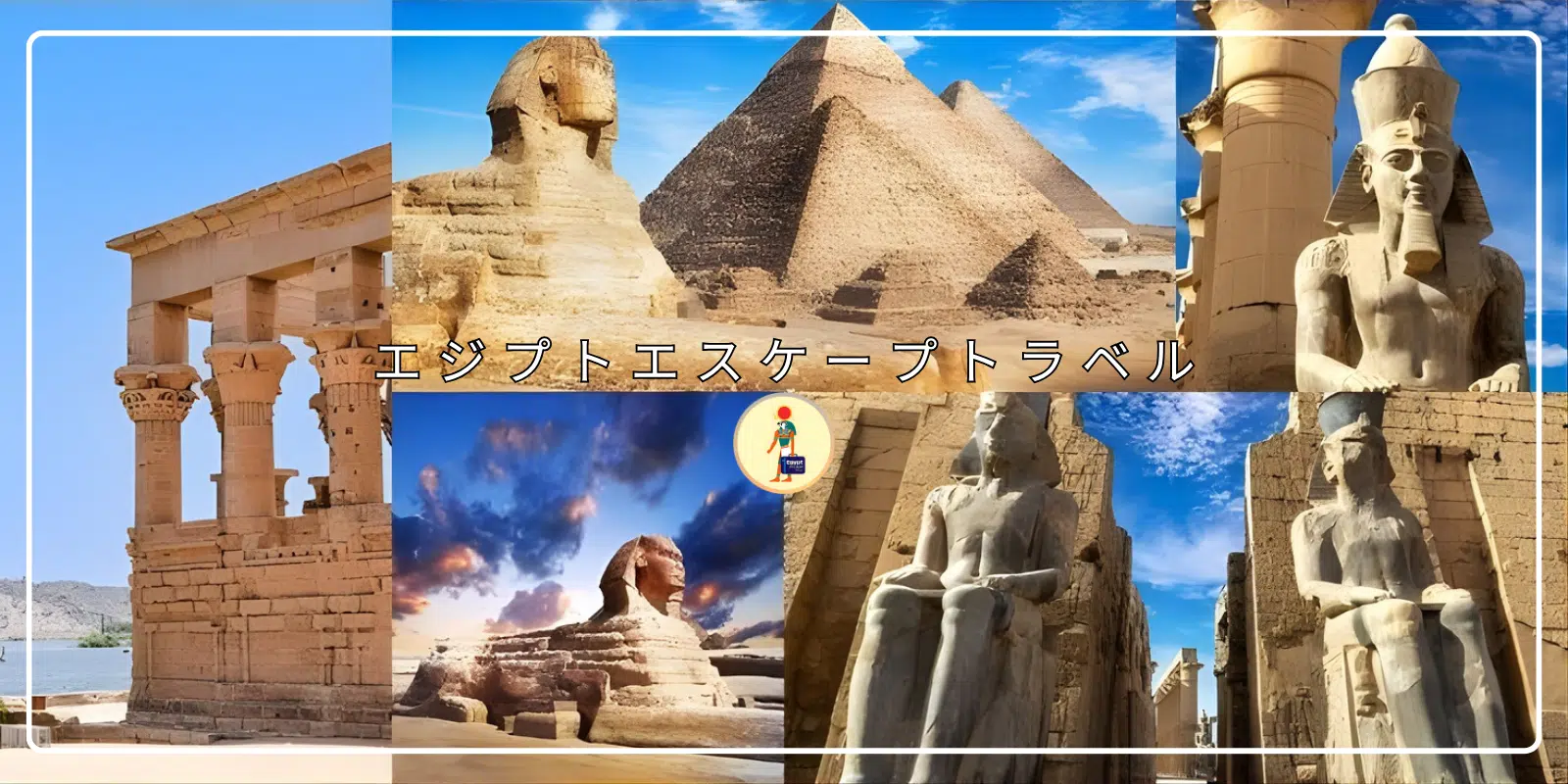
Premium travel operators utilize this natural early-morning alertness to schedule your most physically demanding archaeological excursions. Arriving at the Giza Plateau or the majestic Karnak Temple complex at the exact moment the gates open allows you to experience these ancient monuments in the cool, crisp morning air. You can capture pristine photographs of the Great Sphinx or the towering columns of Luxor without the presence of large public tour groups, maximizing your cultural education in a peaceful, serene environment.
Time difference between Egypt and Japan:: 4. Coordinating Seamless Business and Family Calls
Maintaining seamless communication with associates in Tokyo requires a strategic understanding of how the time difference between Egypt and Japan affects regular working hours. Because Japan is seven to eight hours ahead, your afternoon in Cairo coincides with the late evening or night hours in Tokyo, creating a specific daily window for optimal connectivity.
The absolute best time to initiate business updates, check on property matters, or call family members back in Japan is during the Egyptian morning, between 8:00 AM and 11:00 AM. During this precise window, it will be 3:00 PM to 6:00 PM in Tokyo, ensuring that your contacts are still awake, active, and easily accessible. By keeping this daily communication window in mind, you can manage your personal and professional affairs with total peace of mind, leaving your afternoons and evenings completely free for undisturbed relaxation and cultural immersion.
Time difference between Egypt and Japan: 5. Navigating the Seasonal Daylight Saving Changes
It is absolutely crucial to note how seasonal calendar adjustments alter the time difference between Egypt and Japan. While Japan strictly observes a single, unified standard time throughout the entire calendar year without any daylight saving adjustments, Egypt utilizes a seasonal clock shift to maximize daylight and reduce national energy consumption.
The transition typically occurs in late April, when Egypt moves its clocks forward by one hour (entering EEST), and concludes in late October, when the clocks return to standard time (EET). This means that during the premium winter travel months from November to March, the temporal gap expands to exactly eight hours. When confirming flight bookings, private train transfers, or domestic connections between Cairo, Luxor, and Aswan, working with a licensed premium travel agency guarantees that your itinerary accounts for these shifts automatically, eliminating any risk of logistical errors.
Time difference between Egypt and Japan: 6. Managing Your Wellness and Dietary Transitions
Overcoming the physical effects of the time difference between Egypt and Japan involves protecting your digestive health and managing your energy levels through mindful dining habits. Your internal organs possess their own natural rhythms, meaning your stomach may crave food according to Tokyo time during your first few days in North Africa.
To ensure a smooth transition, premium luxury hotels and 5-star Nile cruise ships offer flexible, world-class dining options that cater to your body’s changing needs. Drink plenty of fresh water throughout your flights and sightseeing tours to combat the dry desert climate, and consume light, nutrient-rich meals during your initial transition days. Allowing your body to adjust gradually to local Egyptian dining times helps prevent fatigue, keeping your physical energy high as you explore the ancient Valley of the Kings or enjoy a peaceful felucca boat ride around the granite islands of Aswan.
Time difference between Egypt and Japan: 7. Utilizing Private Egyptologists for Flexible Pacing
The absolute finest way to mitigate any fatigue caused by the time difference between Egypt and Japan is to secure the services of a private, university-educated Egyptologist guide. Traveling with a rigid, mass-market public tour group forces you to adhere to a strict, unyielding schedule that may not match your physical energy levels during your initial transition phase.
A dedicated private guide who speaks fluent, respectful Japanese understands how to adjust the physical pace of your tour dynamically based on how you feel. If you experience a sudden wave of afternoon tiredness due to the clock shift, your specialist can seamlessly modify the day’s plan—perhaps moving a walking tour of an outdoor temple complex to a shaded, climate-controlled museum gallery or arranging an early return to your luxury resort. This bespoke, highly personalized approach respects your personal comfort, ensuring your historical journey remains deeply educational, respectful, and profoundly refreshing.
Conclusion: Embrace the Perfect Rhythm of Your Egyptian Vacation
While the substantial time difference between Egypt and Japan represents a significant geographical shift across hemispheres, proper preparation transforms this transition into an elite travel advantage. By using your natural early-morning alertness to beat the crowds to the world’s greatest monuments, utilizing smart in-transit sleep schedules, and relying on the personalized care of expert local operators, you can explore the land of the pharaohs with complete confidence. Do not let the logistics of time zones cause you hesitation. Let our dedicated planning teams handle every single detail of your 2026-2027 itinerary with the premium luxury, safety, and profound Omotenashi hospitality you deserve. Your unforgettable journey through time begins