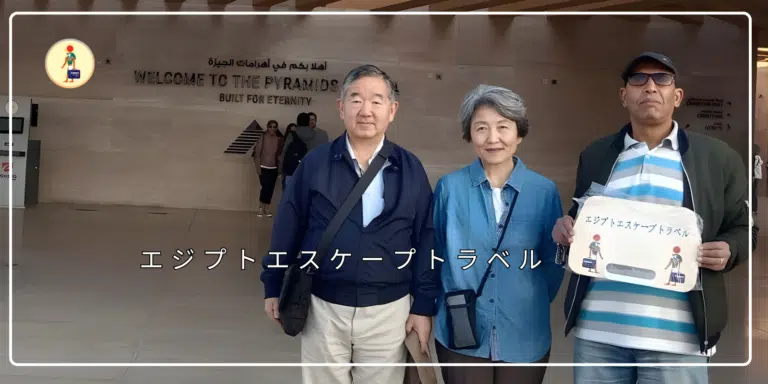
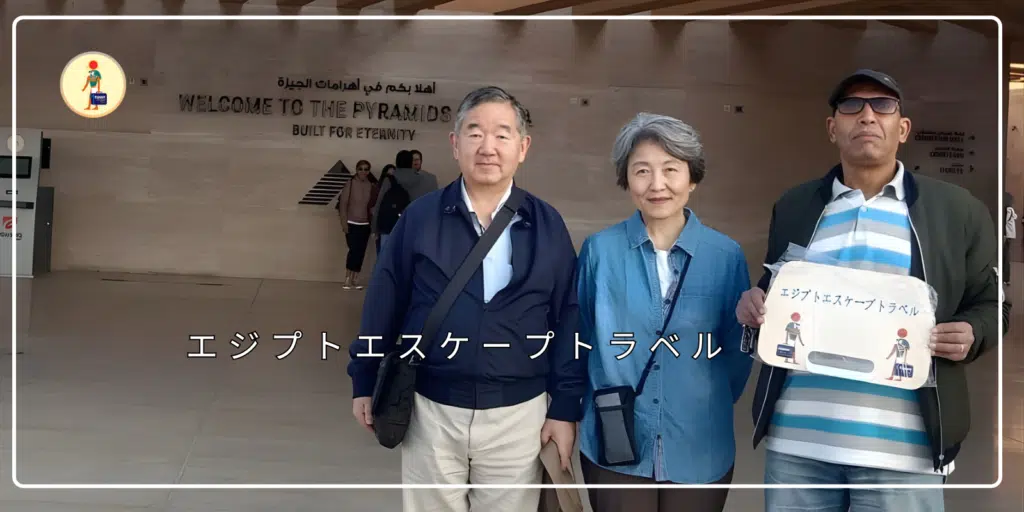
For the discerning Japanese traveller, concluding an international expedition to North Africa leaves a deep sense of gratitude, cultural awe, and emotional fulfilment. In Japan, society deeply honours the practice of expressed gratitude (Kansha), structural harmony, and profound respect for historic heritage. Standing before the monumental structures of the pharaohs, experiencing the legendary warmth of local hospitality, and witnessing ancient history come alive is a transformative experience. Returning home after such a grand journey naturally inspires a heartfelt sentiment: Thank you, Egypt for opening your historic doors, sharing your timeless treasures, and providing an environment of safety, beauty, and absolute wonder.
Navigating a trip from East Asia to the Mediterranean and North Africa requires balancing time zones, adjusting biological rhythms, and trusting local experts to deliver flawless execution. For our esteemed guests from Japan, who value punctuality, pristine hygiene standards, and genuine Omotenashi (heartfelt hospitality), a well-planned Egyptian vacation leaves zero room for stress. This comprehensive guide reflects on the top operational insights, scheduling strategies, and cultural lessons that allow Japanese visitors to experience the ultimate trip while mastering the temporal distance between these two ancient civilizations.
Thank you Egypt: 1. Harmonizing the 7-Hour Temporal Distance Beautifully
Expressing Thank you Egypt begins with recognizing how seamlessly travellers can adjust to the chronological gap between Cairo and Tokyo. Japan Standard Time (JST) is UTC+9, while Egypt operates on Eastern European Summer Time (EEST) at UTC+3 during warm months, creating a 7-hour shift, and Eastern European Time (EET) at UTC+2 during winter, expanding to an 8-hour gap.
This specific clock adjustment allows Japanese visitors to take advantage of natural biological timing. When it is 8:00 AM in Cairo, it is 3:00 PM in Tokyo. Waking up early in Egypt feels entirely natural for Japanese guests during their first few transition days. This early-morning alertness allows travellers to reach the Giza Plateau or the grand temples of Luxor right as the gates open, experiencing monumental stone architecture in peaceful, uncrowded daylight.
Thank you Egypt: 2. Experiencing Unmatched Hospitality and Genuine Omotenashi
A primary reason visitors whisper Thank you Egypt upon departure is the extraordinary level of personal care, warmth, and hospitality extended throughout the country. In Egyptian culture, hosting international guests is viewed as a sacred honour, perfectly mirroring the Japanese philosophy of Omotenashi—anticipating a guest’s needs with sincerity and quiet respect.
From private chauffeurs ensuring pristine, climate-controlled transport in modern Toyota Hi-Ace vehicles to luxury Nile cruise stewards preparing customized dining options, every detail is managed with care. Japanese tourists who value social politeness and smooth operational order feel deeply protected and welcomed. This seamless integration of local warmth and structured service transforms complex travel logistics into a completely relaxing, worry-free vacation experience.
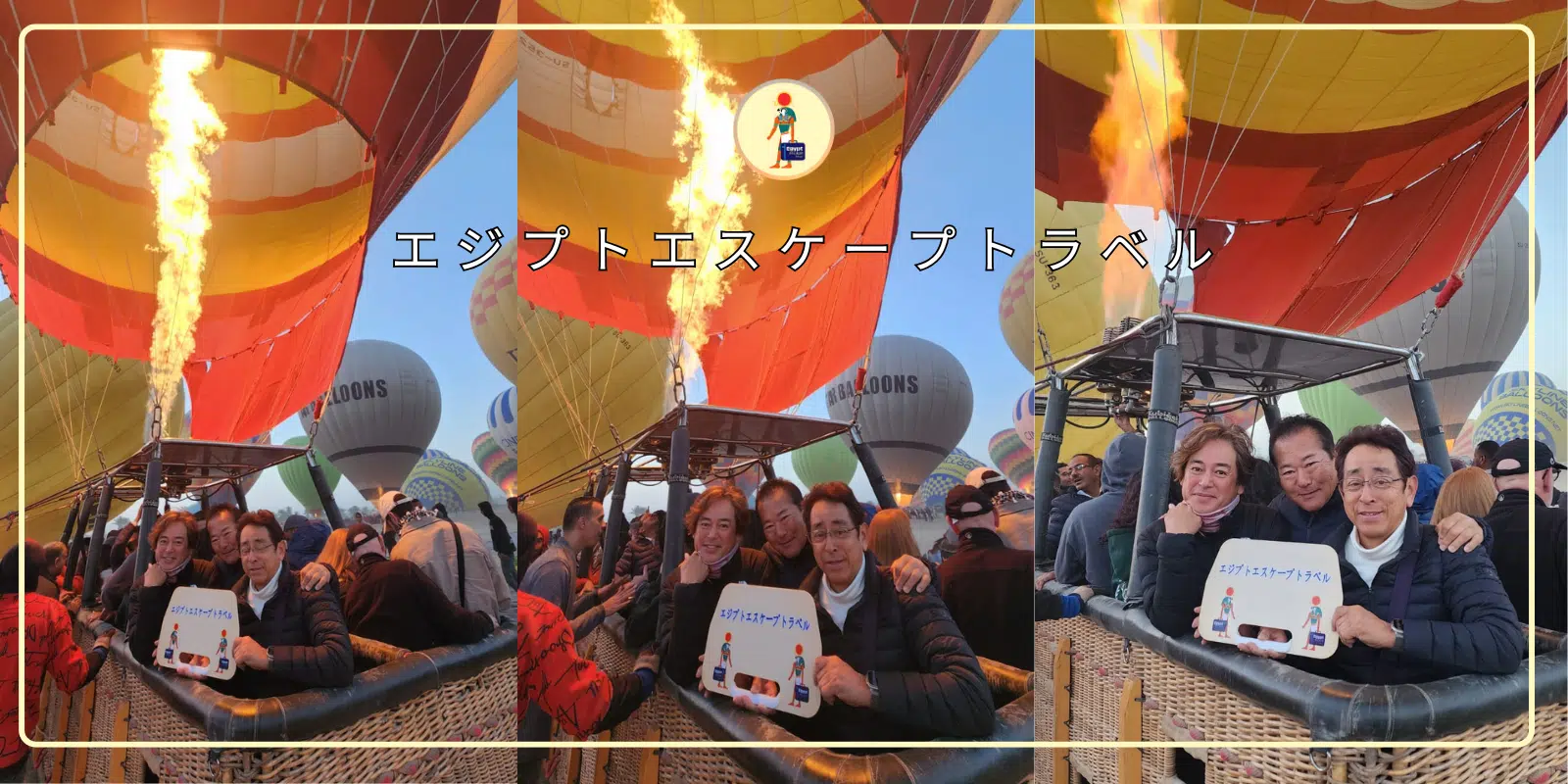
Thank you Egypt: 3. Unlocking the Masterpieces of the Grand Egyptian Museum
Travellers frequently say Thank you Egypt for completing the full, grand opening of the Grand Egyptian Museum (GEM) in Giza. Spanning over 5.4 million square feet, this state-of-the-art facility stands as the largest museum complex on Earth dedicated to a single ancient civilization, offering a sanctuary of modern structural order, climate-controlled curation, and archival perfection.
The complete collection of over 5,000 treasures mesmerizes japanese visitors who appreciate artistic discipline, clean lines, and high-tech preservation from King Tutankhamun’s tomb. Displaying his solid-gold mask, royal chariots, and intricate jewellery alongside the meticulously relocated Khufu Solar Boat provides an educational experience of unprecedented scale. Navigating these organized, modern halls delivers deep intellectual satisfaction for culture-focused tourists.
Thank you Egypt: 4. Sailing the Peaceful Nile Between Luxor and Aswan
It is easy to express Thank you Egypt while relaxing on the sun deck of an elite 5-star river cruise or a private Dahabiya yacht drifting silently along the Nile River. Sailing between Luxor and Aswan is widely celebrated as the most soothing way to absorb the changing natural landscapes of Upper Egypt.
Watching lush green palm groves and golden desert dunes glide past cabin windows evokes the calm, meditative tranquillity valued in traditional Japanese garden aesthetics. Because all daily excursions to riverside sanctuaries like Kom Ombo and Edfu are coordinated by private management, guests enjoy a perfect balance between active historical discovery and quiet physical rejuvenation onboard their floating hotel.
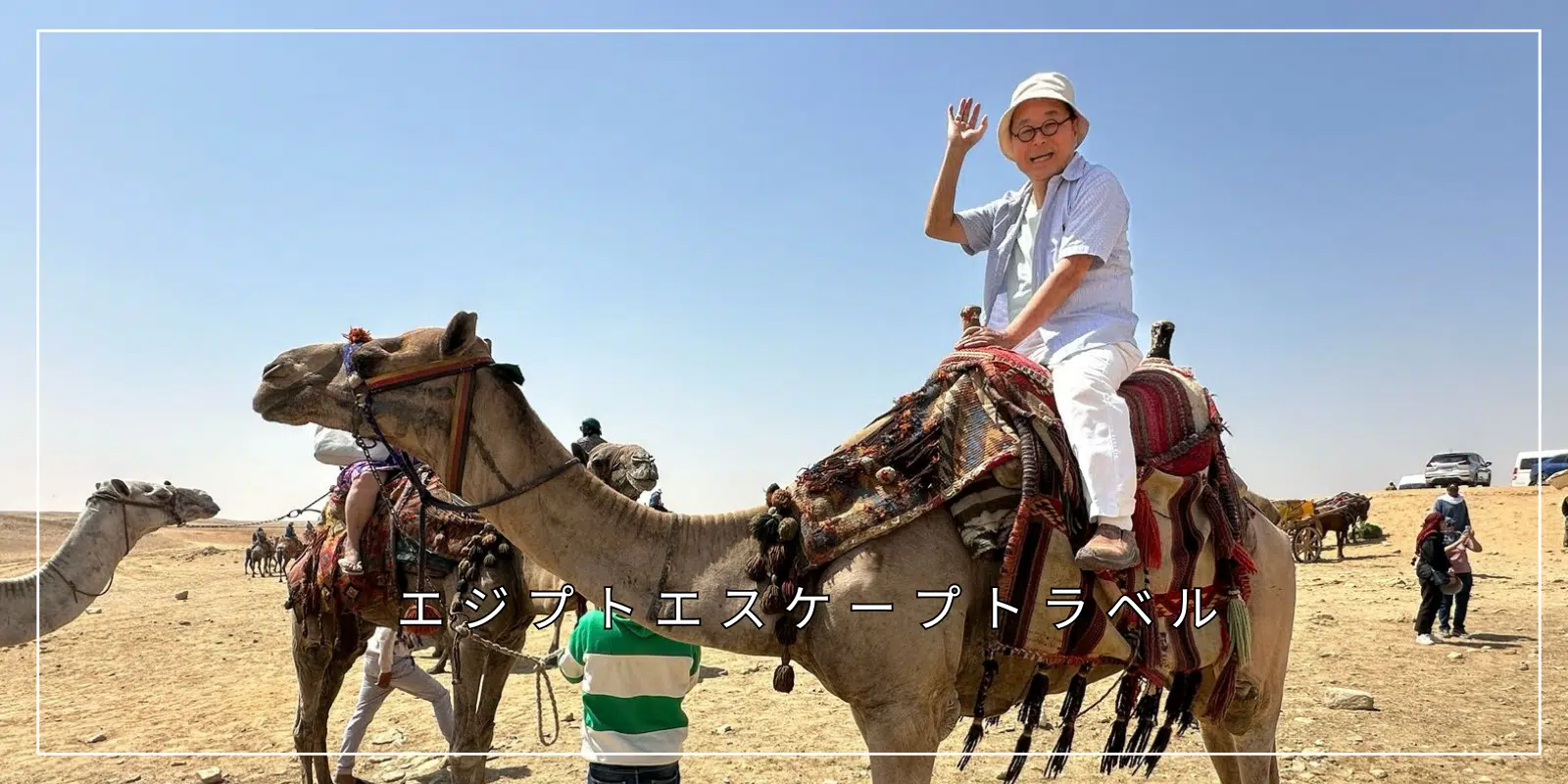
Thank you Egypt: 5. Exploring Subterranean Wonder Inside the Valley of the Kings
Historians and art enthusiasts utter Thank you Egypt when stepping beneath the West Bank of Luxor into the subterranean chambers of the Valley of the Kings. Carved deep into solid limestone rock over three thousand years ago, these royal tombs feature brilliantly preserved wall paintings depicting ancient astronomical ceiling maps and hieroglyphic liturgies.
For Japanese travellers who revere master craftsmanship (Takumi) and meticulous detail, viewing the intact pigments inside the tombs of Ramses VI, Tutankhamun, or Seti I feels like visiting an underground fine art gallery. The quiet, reverent atmosphere inside these subterranean corridors creates a profound moment of reflection, connecting modern visitors directly with the artistic genius of ancient royal craftsmen.
Thank you Egypt: 6. Maintaining Perfect Communication with Family in Tokyo
Managing family updates and business connectivity leads many travellers to say Thank you Egypt for reliable modern infrastructure and accessible scheduling windows. Because Japan is seven to eight hours ahead, strategic daily planning keeps travellers perfectly connected with colleagues and loved ones back home without interrupting rest cycles.
The ideal communication window occurs during the Egyptian morning between 8:00 AM and 11:00 AM, which corresponds to 3:00 PM to 6:00 PM in Tokyo. Completing calls during this time ensures business matters or family check-ins are handled during active Japanese working hours. Once midday arrives, travellers can disconnect completely, devoting their full attention to peaceful temple explorations, local market visits, and luxury dining.
Thank you Egypt: 7. Relying on Private Egyptologists for Bespoke Comfort
The ultimate reason to shout Thank you Egypt is the invaluable presence of university-educated, licensed Egyptologists who speak fluent, respectful Japanese. Navigating thousands of years of pharaonic history without an expert can feel overwhelming, but a dedicated specialist translates hieroglyphics, royal lineage, and complex mythologies into clear, engaging concepts.
Private guides adjust the physical pacing of sightseeing according to guest energy levels, ensuring that those adjusting to time zone differences never feel rushed or physically exhausted. Whether adjusting a tour schedule to beat afternoon desert heat or arranging priority access passes to skip public ticket lines, a private guide ensures that every single day is educational, physically comfortable, and deeply respectful of cultural etiquette.
Conclusion: A Heartfelt Farewell to the Land of the Pharaohs
As your private journey draws to a close and you prepare for your return flight across continents, saying Thank you Egypt becomes a natural emotional response to an extraordinary adventure. From the colossal pyramids of Giza and the state-of-the-art galleries of the Grand Egyptian Museum to the serene waters of Aswan, North Africa offers an unparalleled blend of ancient mystery, structural grandeur, and heartfelt hospitality. By pairing expert local coordination with high-end private arrangements, Japanese travellers can explore this ancient civilization with absolute punctuality, complete physical comfort, and total peace of mind. Start planning your custom, worry-free 2026-2027 Egyptian vacation today, and prepare to create memories that will last a lifetime!